Is colic the cause of a baby’s crying?
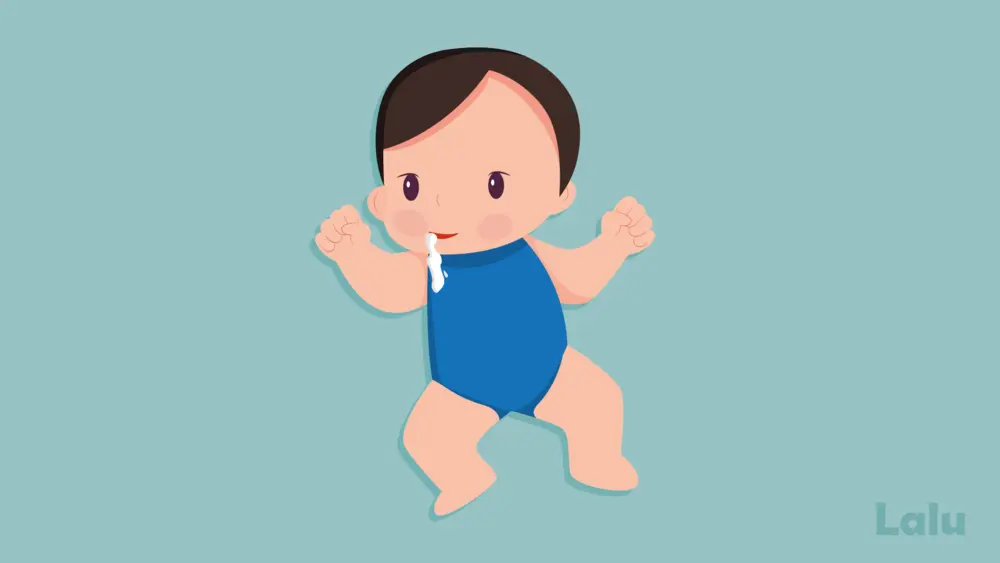
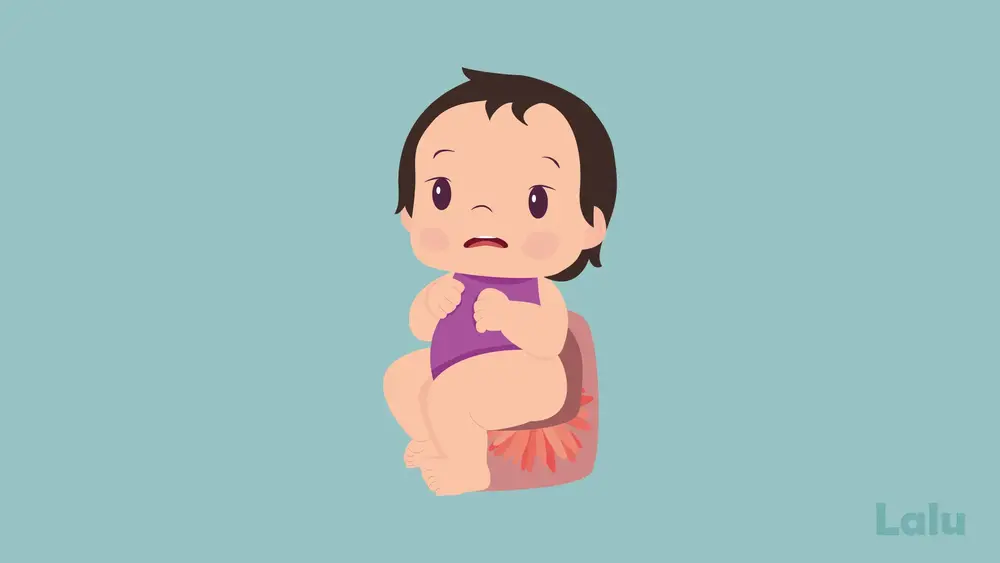
Colic is when a healthy baby cries for a very long time without any apparent reason. This is most commonly observed in the first 6 weeks of life. It usually disappears on its own at 3–4 months of age.
Short, kind, evidence-based articles for every stage — cycle, pregnancy and the first year.
Colic is when a healthy baby cries for a very long time without any apparent reason. This is most commonly observed in the first 6 weeks of life. It usually disappears on its own at 3–4 months of age.
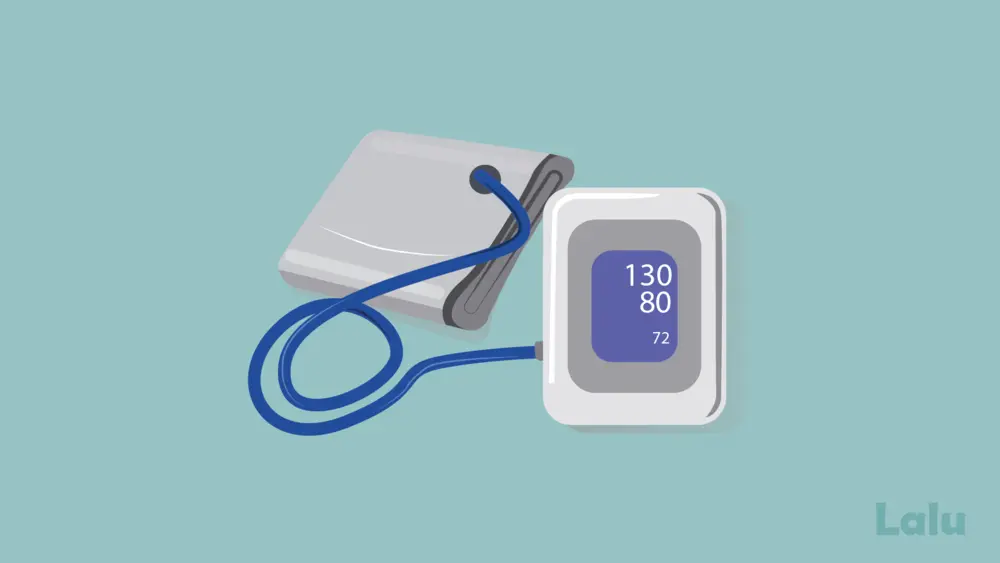
High blood pressure, or hypertension, can occur at any stage of pregnancy. An increase in blood pressure during pregnancy primarily affects the woman. If left untreated, the condition can cause serious health problems for her and her unborn child.
Vomiting is the forceful expulsion of stomach contents through the mouth. Spitting up (often observed in infants under one year of age) is the effortless flow of stomach contents out of the mouth, which is frequently accompanied by burping.
Pregnancy is a period when many changes occur. Distinguishing whether these changes are normal or pathological requires responsibility from the pregnant woman, and knowledge and expertise from the doctor. One such issue is the presence of blood in the urine during pregnancy.
Intrahepatic cholestasis of pregnancy, commonly referred to as cholestasis of pregnancy, is a liver disease that occurs in the later stages of pregnancy.
Stool is usually brown, but its color can change from day to day. This is usually not a cause for concern. The causes of green stool in children can vary depending on their age.
If you notice blood in a baby's stool or a small amount of blood in their spit-up or vomit, it is natural to wonder what the cause is and whether such a situation is a cause for concern.
In this article, we will share useful information with you about the causes and symptoms of gas in babies, as well as how to relieve trapped gas.
The cause of constipation depends on the stage of pregnancy in which it occurs. This could include the following possible causes:
Oral candidiasis, or oral thrush, is a common type of infection in children that is usually easy to diagnose and treat. If both you and your child have a yeast...
Varicose veins are bulging, swollen veins in the legs. Their color is usually dark blue or purple, and they look like tangled threads.
The American Academy of Pediatrics recommends that mothers breastfeed their infants during the first 6 months of life. Children should be breastfed for at least 1 year, and in subsequent periods, complementary foods can be added for the child's active development.
Eczema (also called atopic dermatitis) is a dry, itchy skin rash that can appear anywhere on the body, usually on the face and limbs. Eczema can affect anyone, including infants.
Many pregnant women complain of fatigue during this period, especially in the first and third trimesters. Increased progesterone levels and carrying extra weight can also increase fatigue, which can exacerbate insomnia.
The body needs additional calories to produce milk. Certain types of foods and beverages are considered beneficial for increasing a new mother's breast milk. There are very few studies on foods that increase lactation.
Hyperglycemia can damage blood vessels, nerves, eyes, and kidneys throughout the body, as well as the heart. Hyperglycemia is the cause of congenital defects in the fetuses of pregnant women.
Dehydration in infants is a condition where the body lacks sufficient fluids to carry out normal vital functions.
There are many myths about how to increase the chances of having twins. Although there are no proven methods to increase a woman's likelihood of having a twin pregnancy, there are certain known factors that increase the probability of such pregnancies.
Experiencing prolonged stress can cause various health problems for you and your unborn baby.
Hemorrhoids are a condition of the anal veins characterized by the enlargement, downward displacement, or protrusion of hemorrhoidal nodes. The human rectum consists of muscle and connective tissues. The inner mucous membrane is lined with cushions, namely hemorrhoidal nodes.
Mastitis is a condition characterized by an infection in the breast tissue of one or both breasts. It usually occurs in breastfeeding women.
According to estimates by the American Academy of Pediatrics, sleep-related problems are observed in 25–50% of children and 40% of adolescents.
Many changes occur in a woman's body during pregnancy. In particular, several changes can be observed in the skin, hair, and nails. In this article, we will provide information about some skin changes caused by pregnancy.
An ectopic pregnancy occurs when an embryo implants somewhere other than the inner lining of the uterus. This can lead to life-threatening complications. Most often in an ectopic pregnancy, the embryo implants in the fallopian tubes, but it can also be located in the ovary or abdominal cavity.
Dehydration is one of the problems that occur more often during pregnancy than at other times. While dehydration is mostly mild during this period, severe dehydration can sometimes occur, posing a serious threat to the health of the mother and baby.
Snoring during pregnancy mainly occurs in the 2nd trimester, approximately at week 16 according to the pregnancy calendar, when pregnancy hormones start causing nasal congestion.
After childbirth, your body undergoes many changes, and it takes time to heal. It is normal to experience some discomfort, such as pain and extreme fatigue, during the first week after delivery. However, some women experience serious, life-threatening health complications after childbirth. If you are concerned about how you are feeling, or if you experience pain or discomfort, contact your doctor.
Seeing things from above can be very exciting for your child! Learning to stand opens up a whole new world for a baby, and this milestone is very important for their independence. At the same time, it is a very exciting and joyful event for parents when a child takes their first steps or attempts to do so.
While some researchers conclude that expectant mothers choose certain foods due to the desires of their unborn child or because they want to eat what their body demands, other researchers emphasize that this process is not easy to explain.
A woman may worry that her belly is too large or too small relative to her week of pregnancy, or that the fetus is "positioned" too high or too low in the abdomen.
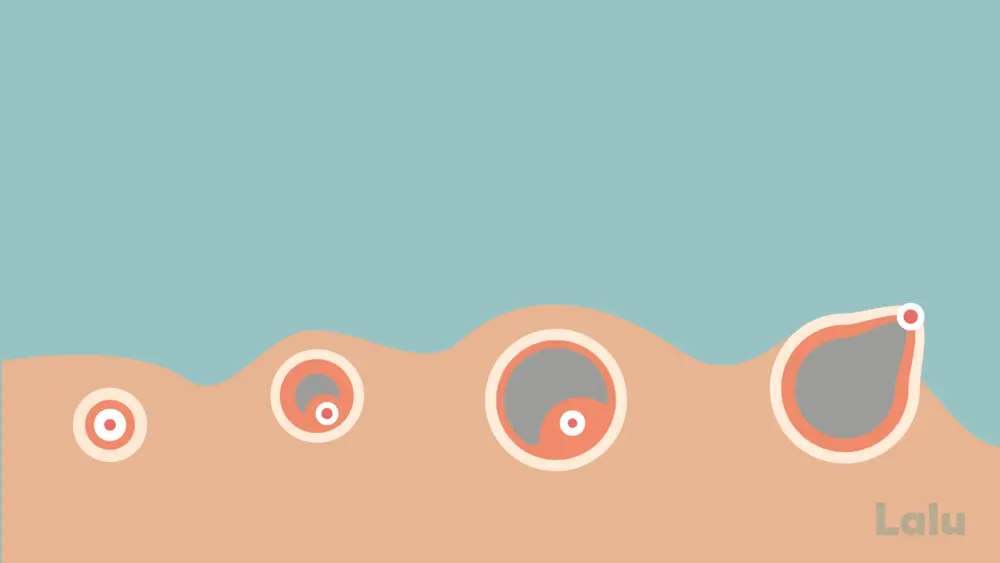
Every woman who cares about her reproductive health should be informed about ovulation and its specific characteristics. In this article, we will provide detailed information about the signs of ovulation.
In the following article, we will provide information on the important things you should know about having a fever during pregnancy. This includes what constitutes a fever in pregnant women, what medication can be taken when your body temperature rises and you have a fever, and the importance of consulting your doctor to minimize the risks that a fever can pose to you and your growing baby.
Is back pain bothering you again?! What causes back pain during pregnancy and how can you overcome it?! In this article, we will do our best to answer these questions.
In general, in women and girls without diseases of the reproductive system, a period can be up to 5–7 days late. However, menstrual irregularities...
There is a lot to think about when it comes to how your body changes during pregnancy. Although every pregnancy is different, there are a few things that can be observed in most, including anemia, which is experienced by many pregnant women.
Dizziness is frequently observed in all women, including pregnant women during their pregnancy. They are troubled by dizziness, and sometimes, along with it, the fear of falling. In this article, we will discuss in detail the causes of dizziness during pregnancy and when it is necessary to see a doctor.
Through this article, we will explore the most common infections during pregnancy, how they affect the baby, and ways to prevent the development of these infections.
Morning sickness usually occurs in the first trimester of pregnancy and is considered one of the earliest signs of pregnancy. Approximately 70-80% of pregnant women experience discomfort such as nausea or vomiting during the first trimester.
While pregnancy is an exciting time, it is not always easy to determine which of the many changes during this period are normal and which are a cause for concern. One such change is vaginal discharge, which can vary in its stickiness or thickness, frequency, and amount during pregnancy.
In a newborn, the body temperature control system is underdeveloped. If your baby is younger than 3 months and has a rectal or temporal artery temperature of 38°C or higher, take your baby to a local pediatrician immediately.
The uterus consists of muscle tissue, and any muscle can be relaxed or tense. In a non-pregnant woman, for example, the uterus contracts during menstruation, and during childbirth, this contraction helps the baby to be born. In this article, we will discuss the symptoms, causes, and treatment methods for abnormally increased uterine tone.
Many women experience problems such as insomnia during pregnancy. Pregnant women sleep more during the first trimester, but their sleep quality decreases significantly. At the same time, it is also observed that a woman feels fatigue throughout the day during pregnancy. Insomnia at night can also cause fatigue.
One of the first questions women ask after becoming pregnant is: "What is not allowed during pregnancy? Which foods harm the fetus?" By finding the answers to these questions, they should learn the list of foods that can and cannot be eaten.
Diarrhea refers to having three or more loose, watery bowel movements in a day. Persistent diarrhea can lead to dehydration and insufficient nutrient absorption. During pregnancy, this can harm both the woman and the fetus. Pregnant women with severe and prolonged diarrhea should seek medical attention immediately.
In this article, we will discuss the causes of shortness of breath during pregnancy and ways to relieve it.
Bleeding during pregnancy can occur in the early days as well as throughout the entire pregnancy. Depending on its nature, it can be dangerous and
You will learn about beneficial vegetables for pregnant women and how to eat them safely, as well as which vegetables are dangerous.
Breast changes during pregnancy vary, including breast swelling, tenderness, enlargement, nipple discharge, and stretch marks (red lines)...
Many women experience loss of appetite during pregnancy. You may find food unappealing or feel hungry, but at such times you cannot force yourself to eat.
Whether you are 2 weeks away from your due date, or your due date is not yet approaching at all, you may be wondering what will happen during labor. Every woman's body is different, and the symptoms or signs of labor may differ from one birth to another.
A cesarean section, or C-section, is a procedure in which an obstetrician-gynecologist delivers a baby not through the vagina, but by making an incision in the mother's abdomen and uterus.
Premature labor or preterm birth is labor that begins early, before the start of the 37th week of pregnancy.
There are many possible causes of persistent vomiting in young children. Vomiting in babies is mainly caused by the following:
If the muscle surrounding the abdominal cavity does not close completely, an umbilical hernia forms due to a hole in the abdominal wall. When the intestines push through the opening, a hernia protrudes from the abdomen.
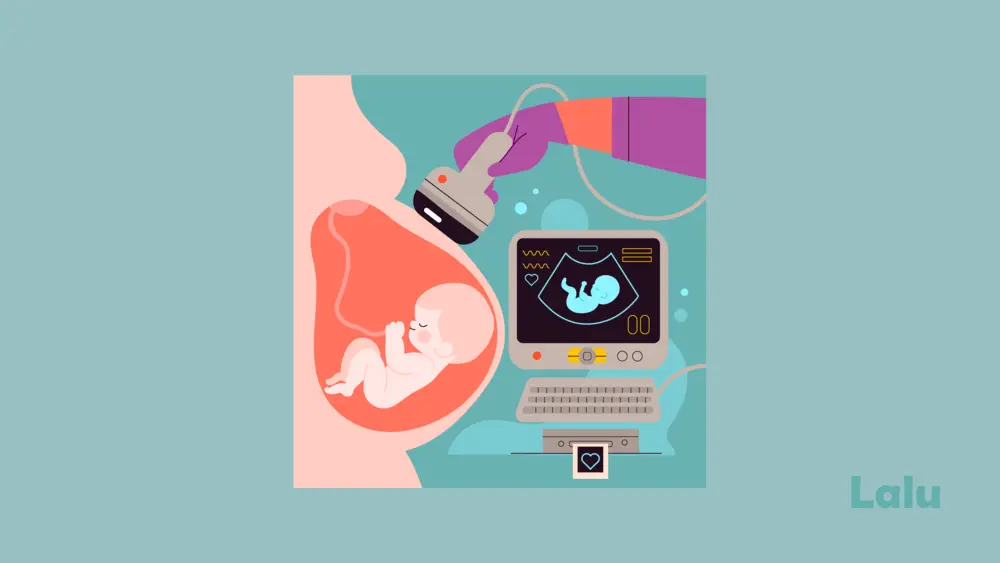
During pregnancy, the fetal heart rate is higher than an adult's heart rate, but the normal fetal heart rate varies depending on the stage of pregnancy and the time of day.
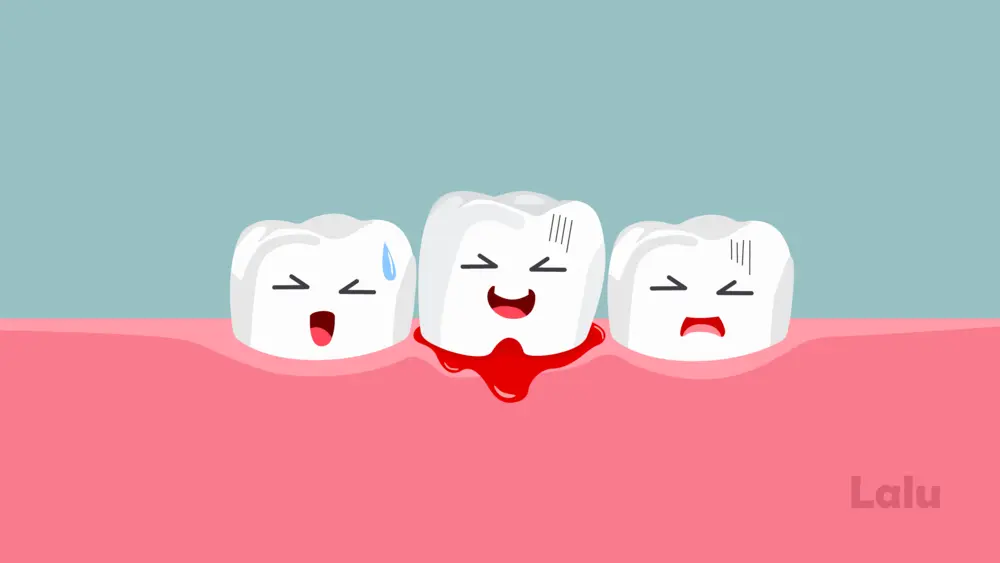
When pregnant women visit a dentist for bleeding gums, they may be diagnosed with pregnancy gingivitis (inflammation of the gums).
A teratogen is any agent that impairs fetal development through maternal exposure during pregnancy. Examples of teratogens include toxic
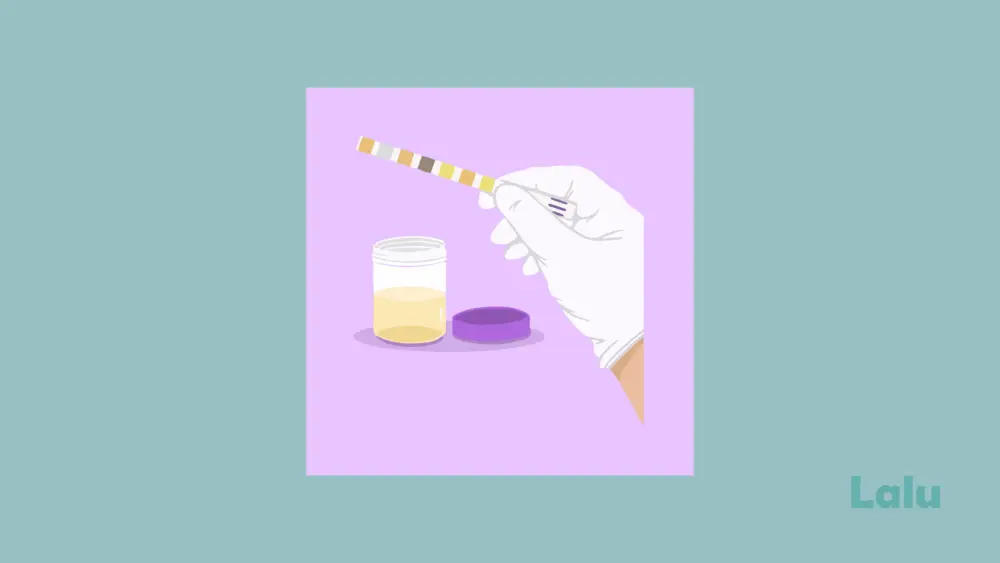
One of the main functions of the kidneys is to retain essential substances for the body in the blood, such as proteins, and to excrete the remaining waste products through urine. If protein does not stay in the body but is excreted through urine—that is, if protein is detected in a urine test—it indicates a problem with the kidneys.
Cytomegalovirus (CMV) is a common virus. Once you contract the infection, the virus remains in the body.
Heat rash (also known as prickly heat) is a skin condition that mainly occurs in infants and young children during hot weather.
Although maternal instinct may seem helpful in raising a child, relying too heavily on this guidance...
Cramping can be one of the common symptoms of pregnancy. If a woman is well informed...
Amniotic fluid is clear or pale yellow. If its color has changed, your baby may have passed meconium (the first stool) in the womb.
Pneumonia during pregnancy can be life-threatening if left untreated, and pregnant women find it somewhat harder to fight this illness.
How can you soothe a baby who is crying in their sleep? In our article, you can find a detailed answer to this question.
Swelling is normal during pregnancy because, to meet the needs of the developing baby, the body starts producing about 50% more...
In this article, you can find answers to questions such as "When will my baby talk?", "At what age do children start talking?" and "When do babies say their first words?"
In this article, you will learn about the pregnancy calculator, pregnancy calendar, and timeline.
In this article, you will find information about the course of pregnancy, normal and pathological changes during it, and factors that pose a risk to the fetus.
Signs of pregnancy and how they show up can vary slightly or greatly from woman to woman. Some women notice early signs of pregnancy, while others feel no change in their health.
In this article, you will learn about the causes, symptoms, treatment, and prevention of dry eyes (dry eye syndrome) during pregnancy.
There are only about six days each cycle when pregnancy is possible. Here is the science of timing them — without the guesswork.
Due date, ovulation, weeks-to-months and hCG. Free, instant, no sign-up.