It can be difficult to distinguish a fever during pregnancy from pregnancy-related hot flashes.
The following article provides information on the important things you need to know about fever during pregnancy, including what a fever is in pregnant women, what medication you can take when your body temperature rises and you have a fever, and the importance of consulting your doctor to minimize the risks a fever can pose to you and your growing baby.
What is a fever during pregnancy?
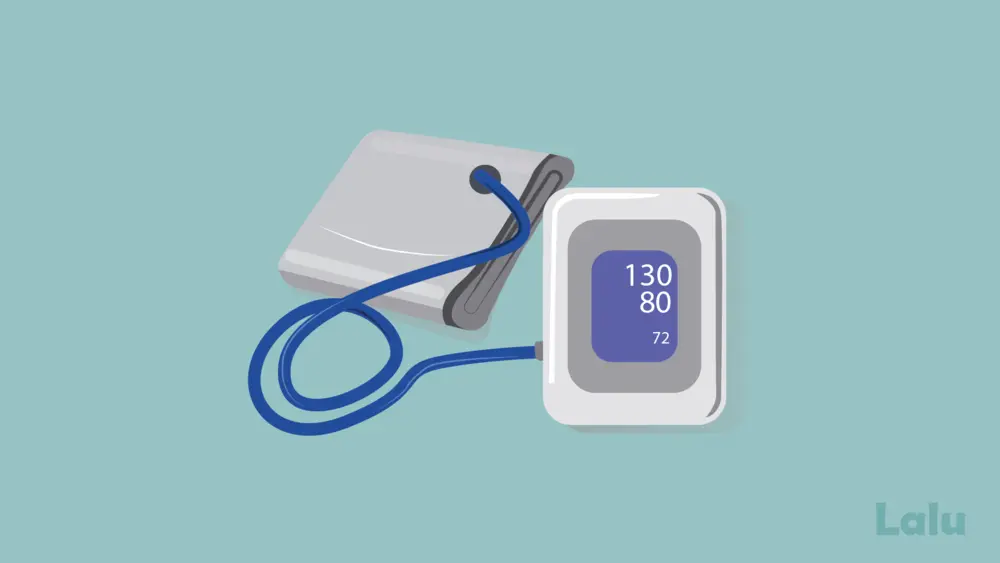
When it comes to fever, the numbers on the thermometer show how severe your symptoms are. As always, the rules are the same during pregnancy: a body temperature of 37.7 oC or higher is considered a fever.
If your temperature reaches 38.0 oC or continues to rise, contact a doctor, even if it's the middle of the night.
If you do not have symptoms of a cold or flu and your fever rises to 37.7 oC, start bringing it down immediately with paracetamol and call your doctor the same day, or, if your temperature rises in the middle of the night, you can contact them the next morning.
In general, a lower fever or temperature of up to 37.7 oC is usually not something to worry about as much as you might think. That being said, it is also not something to ignore. Therefore, monitor your body temperature by measuring it with a thermometer to make sure the numbers do not start to rise.
Interesting: Morning sickness during pregnancy and ways to relieve it
What causes body temperature to rise during pregnancy?
Common cold (acute respiratory viral infection)
In fact, you are more likely to contract common viral infections, such as a cold, during pregnancy. This is because your immune system undergoes changes during this period to prevent your body from rejecting the fetus, which it considers foreign. As a result, you may catch colds more often during your pregnancy than usual. These infections can lead to a fever.
Flu
Just as with a cold, changes in the immune system during pregnancy can increase the risk of contracting the flu.
A low-grade fever is the result of a dangerous viral infection such as a cold, while a high fever is a symptom of the flu. When infected with the flu, in addition to symptoms like a fever, body aches and chills also occur.
Attention! For the health of the fetus, it is important that expectant mothers do not get the flu during pregnancy and prevent it as much as possible!
Bacterial infections
Sometimes, a fever can be caused by a bacterial infection that may require antibiotics, such as a urinary tract infection, a kidney infection, or bacterial infections like strep throat.
Listeriosis
Although the overall risk of developing listeriosis is very low, a pregnant woman should be cautious of various diseases during pregnancy.
To avoid exposure to Listeria bacteria during pregnancy, pregnant women should avoid consuming raw meat, fish, and unpasteurized cheese, which can also cause high fever.
Fever during pregnancy and COVID-19
An increase in body temperature during pregnancy can also be caused by COVID-19, a novel coronavirus disease. If you think you have COVID-19, consult a doctor immediately, as this disease can cause serious complications in pregnant women if left untreated.
Related: Infections during pregnancy: the most dangerous infections and methods of protection against them
Methods for reducing a fever
If a fever occurs during pregnancy, you should definitely consult a doctor to determine the cause and act accordingly.
Before seeing a doctor, you can take paracetamol to lower the fever. During pregnancy, medications containing aspirin and ibuprofen must not be taken unless recommended by a specialist.
If a fever occurs during pregnancy, you can normalize your body temperature to some extent by taking a few steps at home:
- Take a cold bath or shower;
- Drink plenty of water and other beverages to cool down and prevent dehydration;
- Wear light clothing.
Prevention of fever during pregnancy
Protect yourself from catching a cold or the flu by washing your hands frequently, avoiding contact with sick people, and limiting your time in public places.
Given that the flu can cause not only a fever but also other complications, if you are pregnant or planning to become pregnant, get vaccinated against the flu when flu season begins.
Is it possible to have a fever in early pregnancy?
In fact, you can develop a fever at any time during pregnancy, including in the early stages.
Studies show that approximately one-third of pregnant women experience a fever during pregnancy, and most give birth to healthy babies.
However, although a fever can occur at any time during pregnancy, a high fever caused by the flu and similar infectious diseases in the first few weeks of pregnancy has been shown to be much more dangerous than a fever occurring later on. In other words, the flu and colds during the early stages are more likely to pose a risk to the fetus.
Studies published in scientific journals indicate that having a high fever in the first trimester increases the risk of developing various birth defects.
How can a fever during pregnancy affect the fetus?
It is not unlikely that a fever will affect your pregnancy. A mild fever of up to 37.4-37.6 oC is usually not a cause for concern and will not have a serious impact on your growing baby.
However, a high fever can be dangerous, so it is very important to consult a doctor and lower the fever using the methods mentioned above as soon as you see these numbers rise.
Although the woman and fetus are more likely to suffer from the complications of an untreated high fever, the fever itself may not be the direct cause. Usually, potential complications are caused by infections such as the flu or an underlying condition.
Also, some studies have found a risk of autism in the babies of pregnant women who ignore an increase in body temperature during pregnancy and do not treat the causes of the fever.
But do not worry too much, as the probability of this happening is very low, and more research is needed before definitive conclusions can be drawn from the study.
In conclusion, the best protection against fever during pregnancy is preventing various infectious diseases and seeking prompt treatment in consultation with a doctor.