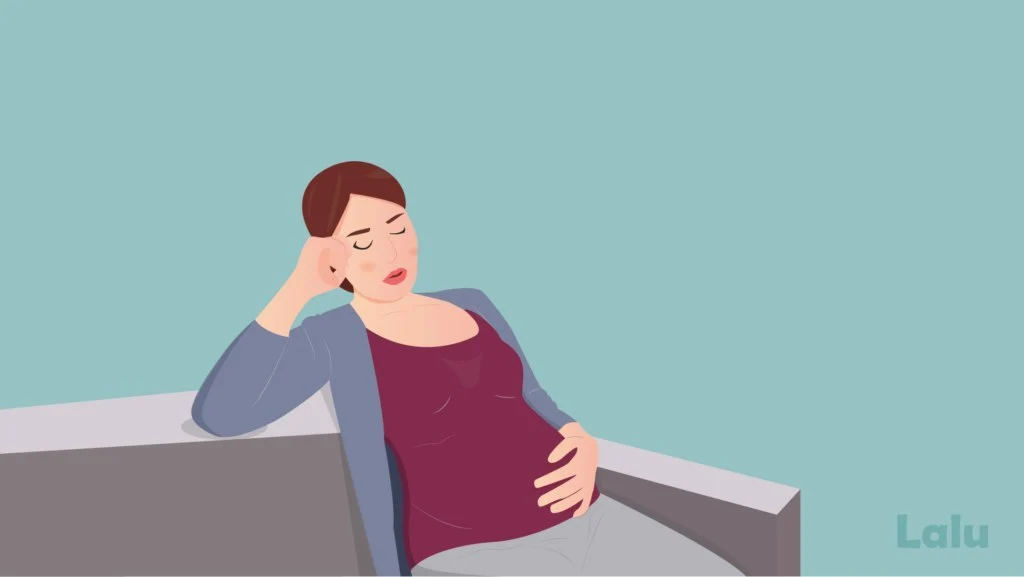
Many women experience problems such as insomnia during pregnancy. Pregnant women sleep more during the first trimester, but their sleep quality decreases significantly. At the same time, it is common for a woman to feel fatigue throughout the day during pregnancy. Lack of sleep at night can also cause fatigue.
In this article, we will discuss the causes of insomnia during pregnancy, as well as ways to alleviate and overcome it.
What is insomnia?
Insomnia is a sleep disorder that makes it difficult to fall asleep or stay asleep at night. This common sleep problem can cause you to wake up too early and not be able to go back to a sound sleep. This leaves the pregnant woman feeling as though she is not experiencing the refreshing or restorative effects of sleep.
When does insomnia begin during pregnancy?
It is normal to have trouble sleeping at any time during pregnancy, but many pregnant women experience insomnia in the second and third trimesters, as other pregnancy symptoms intensify and the growing baby makes it difficult to lie comfortably in bed.
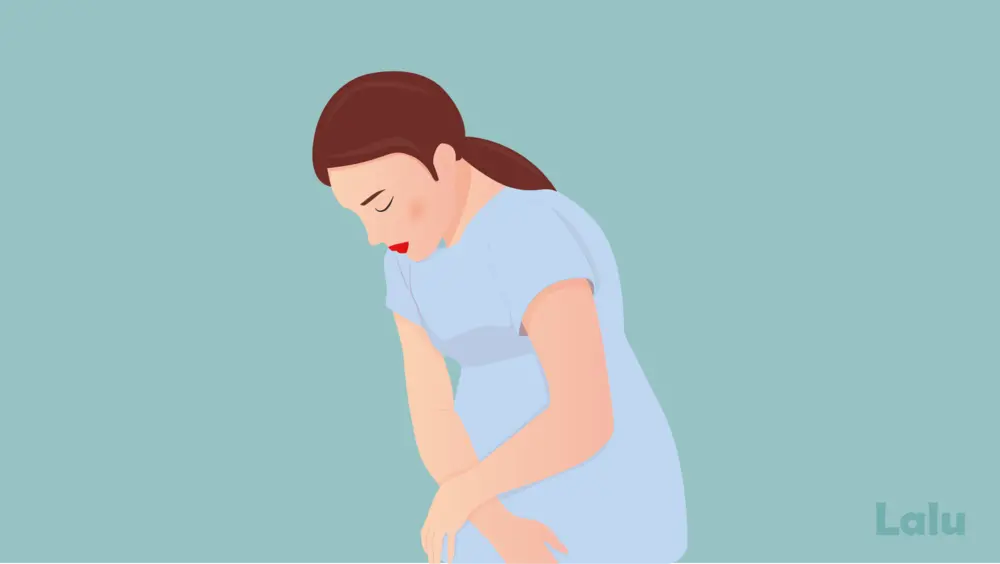
Even so, changes in the first trimester can get you out of your cozy bed and disrupt your sweet sleep; for instance, morning sickness, which can strike at any time of the day or night, and a more frequent need to urinate can cause sleep disturbances in the first three months of pregnancy.
Causes of insomnia during pregnancy
There are several causes of insomnia. These include:
- frequent need to urinate;
- nausea or vomiting;
- back pain;
- chest pain;
- abdominal discomfort;
- leg pain;
- shortness of breath;
- vivid dreams.
Other causes of insomnia may also be related to stress. A pregnant woman's anxiety about giving birth and the delivery process, or thoughts about being psychologically and practically unprepared to become a new mother, can also lead to a deterioration in her sleep quality.
To prevent situations that can lead to such stress and to gradually prepare for motherhood, the resources of "Lalu ", including useful articles and upcoming video courses planned in collaboration with doctors, will be your primary source of support.
Treating insomnia at home
According to research, a pregnant woman should only take insomnia medications when there are clear indications and must exercise caution.
However, insomnia during pregnancy can also be managed through methods such as lifestyle changes that can be implemented at home.
Practice good sleep hygiene
Sleep hygiene refers to habits that make it easier to fall asleep.
A woman experiencing insomnia can try the following:
- Only sleep in bed.
- Wake up and go to bed at the same time every day.
- Keep the bedroom dark and cool.
- Make the bed as comfortable and inviting as possible.
- Don't use your phone or watch TV in bed.
- If you can't sleep after 15-30 minutes, get out of bed.
- Limit drinking coffee and black tea before bed, or avoid them entirely throughout the day.
- Limit fluid intake a few hours before bed.
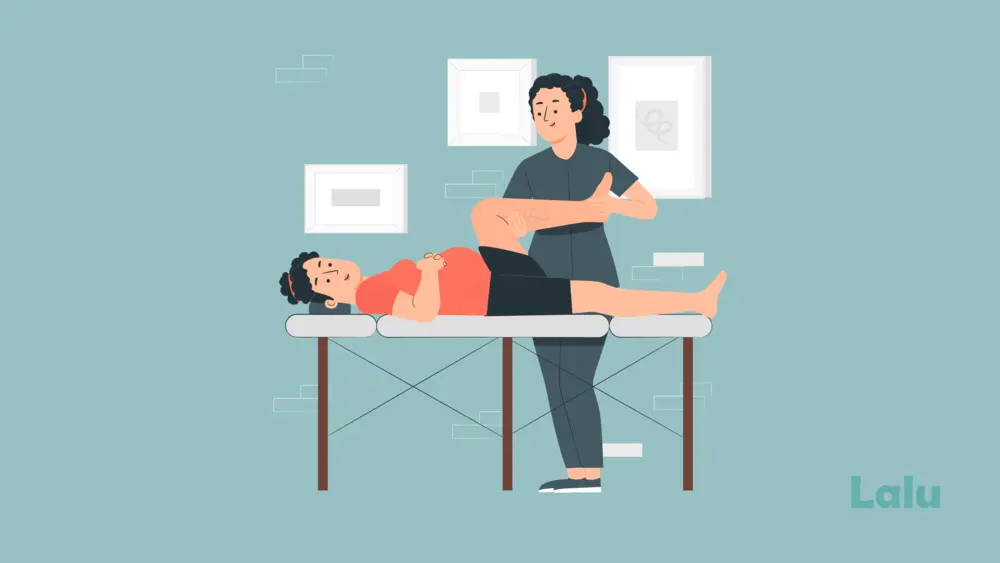
Other habits that can help you sleep include getting a massage to reduce stress or taking a warm bath before bed.
Don't count your hours of sleep
Although most people feel good after eight hours of sleep, some feel fine even when sleeping less, while others need more sleep. Observe your sleep patterns and pay attention to how you feel during your active hours. If you don't experience chronic fatigue even with little sleep, that amount of sleep may be enough for you.
Pay attention to physical activity
The physical demands of pregnancy, combined with constant weight gain, can make it difficult to maintain activity.
According to the American College of Obstetricians and Gynecologists, exercise during pregnancy is beneficial for both the mother and the child. For example:
- reduced risk of gestational diabetes;
- reduced risk of back pain;
- improved overall heart health.
Light exercise also helps to overcome insomnia. Any physical exercise during pregnancy must be performed on a doctor's recommendation.
Medical research shows that 30 minutes of light exercise at least 4-6 hours before bed helps improve sleep quality and eliminates insomnia.
Use special pillows
To alleviate insomnia during pregnancy, follow the guidelines for sleeping positions during the 2nd and 3rd trimesters.
To reduce pressure on the spine, you should place a pillow between your knees with your knees and hips bent, and sleep on your left side rather than on your stomach or back. Additionally, placing a small pillow behind your back can reduce pain and improve sleep.
Useful: What is not allowed during pregnancy?
The article was prepared by the Lalu team based on information from SleepFoundation.org, the American College of Obstetricians and Gynecologists, and Healthline.