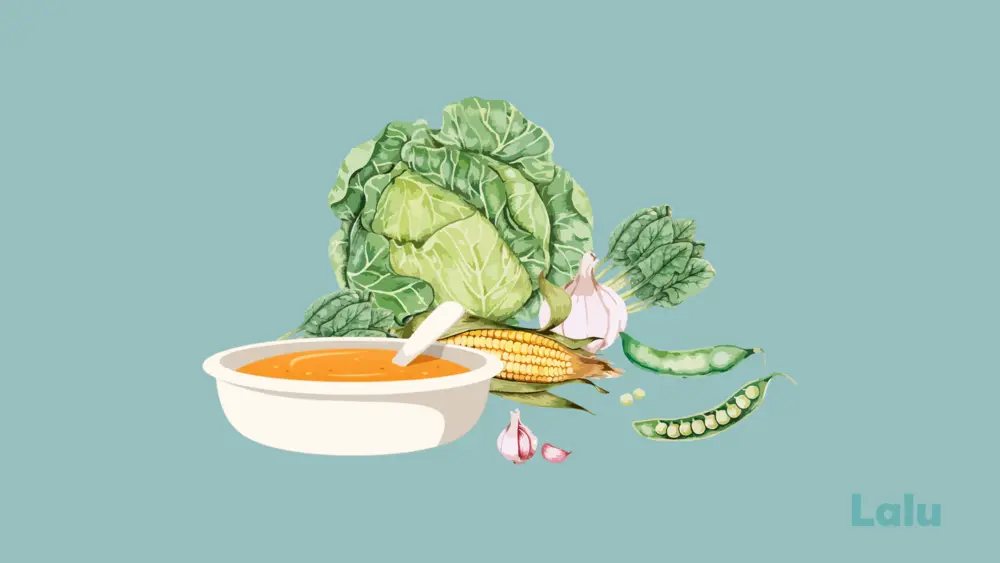
The body needs additional calories to produce milk. Certain types of foods and beverages are considered beneficial for increasing a new mother's breast milk.
There are very few studies on foods that increase lactation. However, the following products can help increase breast milk production:
Oatmeal
Oatmeal is one of the best products for increasing or boosting breast milk. It is also an important source of nutrients for breastfeeding women and infants.
These nutrients include:
- dietary fiber (found in grains);
- iron;
- magnesium;
- zinc.
Garlic
Consuming garlic or taking garlic supplements can stimulate the lactation process and increase milk volume in some women. Although there are no studies proving its effectiveness, some people in India use garlic as a galactagogue (a milk-boosting herb).
However, consuming too much garlic can cause the smell of breast milk to become unpleasant. Some babies do not like this smell, and as a result, they may consume less breast milk.
Fennel seeds
Fennel seeds are a common ingredient in teas and supplements sold to increase breast milk production. Some people also use fennel seeds to relieve abdominal bloating.
Research indicates that consuming fennel during breastfeeding increases milk volume and fat content, helping the infant gain more weight.
Helpful: Postpartum warning signs for women
Protein-rich products
Protein is essential for breast milk production. It passes from the mother to the baby, nourishing it and helping it grow. Therefore, it is recommended that breastfeeding women consume an additional 25 grams of protein daily. To maintain a steady supply of breast milk, it is necessary to consume a large amount of protein-rich foods every day.
Protein-rich foods:
- lean meat;
- eggs;
- beans and lentils;
- tofu (cheese);
- nuts and grains
Important: Benefits and harms of long-term breastfeeding
Green leafy vegetables
According to the Department of Family Medicine and Community Health at the University of Wisconsin, many fruits and vegetables, including green leafy vegetables, help stimulate the lactation process and serve to increase breast milk production.
Green leafy vegetables include:
- beet greens;
- dandelion;
- cabbage;
- cilantro;
- spinach.
Foods to eat less of
Many women believe that no foods need to be avoided during breastfeeding. Others claim that certain foods and drinks may reduce milk supply or cause the baby to become fussy.
These include:
- caffeinated products, including coffee, tea, and chocolate;
- dairy products;
- herbs, including coriander, mint, and thyme;
- spices, such as cinnamon and chili;
- fruits, including citrus fruits, kiwi, prunes, and pineapples;
- gas-producing vegetables, such as onions, cabbage, broccoli, and cauliflower
However, every woman and baby is different. Keeping a diary and tracking changes can help identify problematic foods.
Read: Oral candidiasis — thrush
Additional tips for increasing breast milk
The aforementioned products can improve the lactation process, but there are also many other ways to increase milk supply. These include:
- breastfeeding the baby shortly after birth;
- breastfeeding frequently on demand;
- pumping after breastfeeding to maintain milk supply;
- drinking water and juices;
- getting plenty of rest;
- reducing stress through meditation and physical exercise;
- wearing a well-fitting bra;
- avoiding alcohol and nicotine;
- monitoring the effectiveness of the baby's sucking;
- promptly consulting a lactation consultant if breastfeeding-related problems arise;
- consulting a doctor before taking medications, as some medications may reduce milk supply.