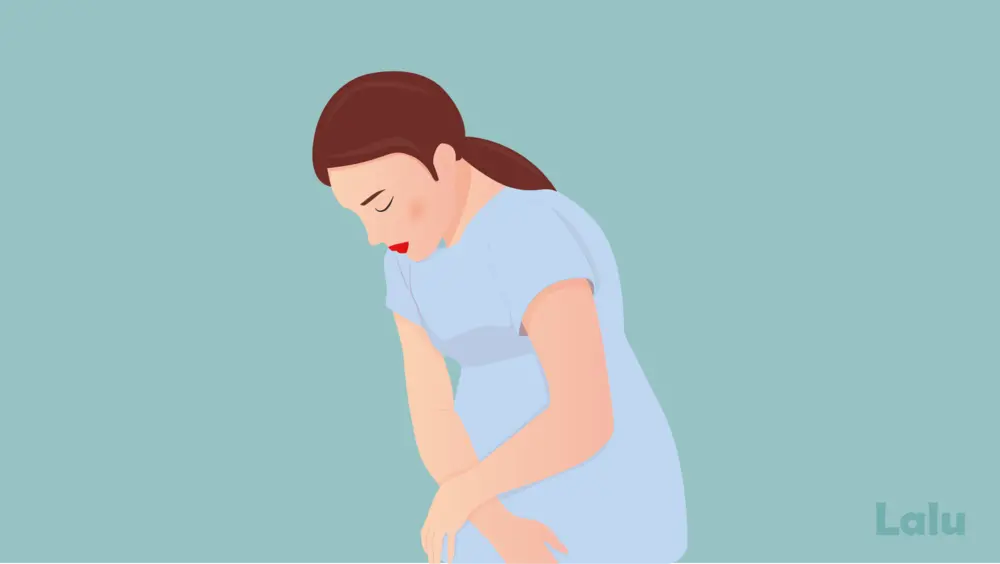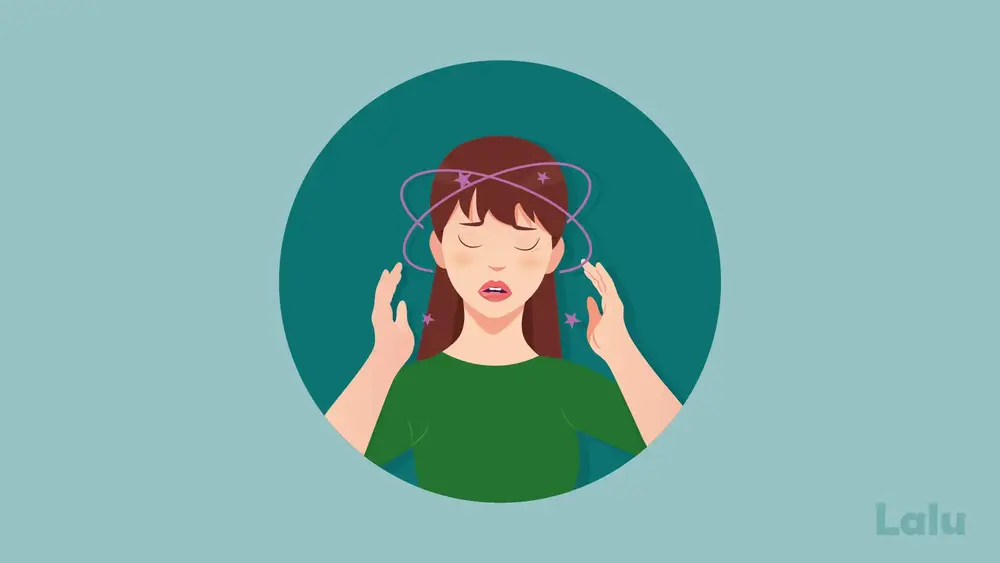
Dizziness is frequently observed in all women, including pregnant women during pregnancy. They often experience dizziness, sometimes accompanied by a fear of falling. In this article, we will discuss in detail the causes of dizziness during pregnancy and when it is necessary to see a doctor.
Dizziness during pregnancy
The condition may be experienced differently by everyone, but it is usually described as follows:
- blurred vision;
- loss of balance;
- mild nausea;
- feeling of losing body control.
Causes of dizziness during pregnancy?
There can be many causes of dizziness in pregnant women, so we have compiled a list to make the information easier to review.
Causes of dizziness in early pregnancy: Vertigo is a subtype of dizziness. During this period, dizziness occurs due to hormonal changes in the body: a new life is forming in the woman's body, so discomfort such as dizziness may be experienced at the beginning of pregnancy.
Dizziness in the second trimester of pregnancy: Main causes: increased blood volume in the body, fetal growth, rapid heartbeat, and vasodilation. Additionally, dizziness can occur due to a sharp drop in blood pressure.
Dizziness can be caused by migraines, heart disease, anemia, low blood sugar, stress, and insomnia.
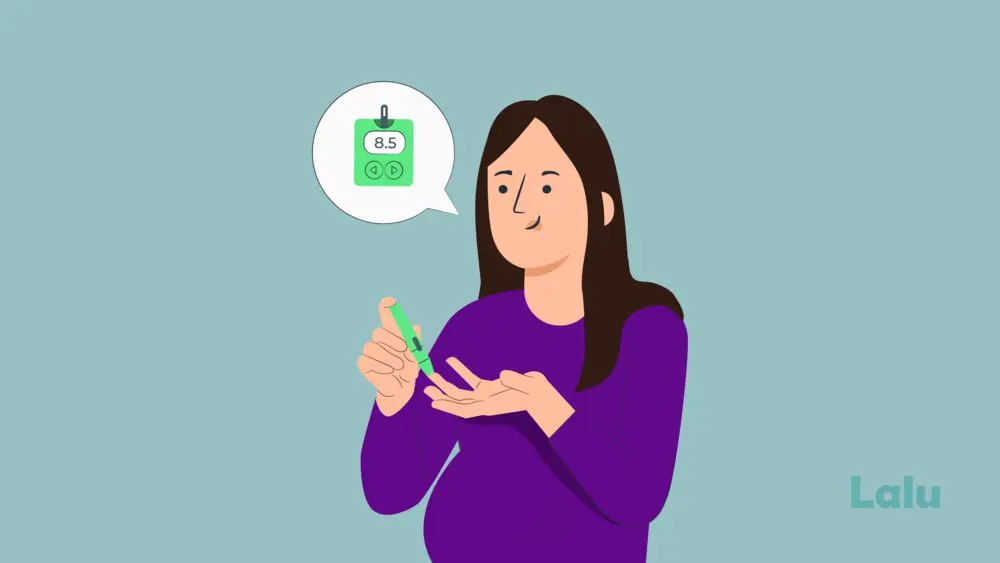
Dizziness in the third trimester of pregnancy: Dizziness in the last trimester of pregnancy should not be observed in a normally progressing pregnancy; therefore, if dizziness bothers you during this period, it is recommended to consult a doctor immediately. The causes can vary, but all of them can harm the baby and the mother or lead to premature birth. For example, hunger and a sharp drop in blood sugar levels affect the baby's condition in the womb. Furthermore, the causes of loss of balance may include low blood hemoglobin levels, oxygen deficiency, changes in atmospheric pressure, toxicosis, compression of large blood vessels by the fetus, and gestational diabetes.
General causes applicable to all stages of pregnancy
The following conditions can cause dizziness at any time during pregnancy. They are not tied to a specific trimester.
Anemia
You may experience anemia, which is characterized by a decreased number of healthy red blood cells. This occurs when the body lacks iron and folic acid.
In addition to dizziness, anemia can cause fatigue, pale skin, or shortness of breath.
Anemia can develop at any time during pregnancy. If you are experiencing the symptoms listed above, a doctor may order a blood test to measure your iron levels and monitor your condition during pregnancy. If anemia is confirmed, iron or folic acid supplements may be recommended.
Dehydration
Dehydration can occur at any time during pregnancy. If you are experiencing nausea and vomiting, it can lead to general dehydration. Additionally, you may become dehydrated during pregnancy because your body requires more water at this time.
At the beginning of pregnancy, you should drink at least 8–10 glasses of water per day, and this amount should be increased during the second and third trimesters, as you will be adding extra calories to your diet in the later stages of pregnancy. This means that you should also increase your water intake.
Water requirements during pregnancy can be calculated based on food intake. For every calorie consumed, 1–1.5 ml of water is usually required (for example, a person on a 2,000-calorie diet needs 2,000–3,000 ml of fluid daily). Pregnant women are advised to increase their calorie intake by approximately 300 calories starting from the second trimester. Therefore, starting from the second trimester, they need an additional 300 ml of fluid on top of their usual fluid intake.[1]
Important: Dehydration during pregnancy
Managing dizziness during pregnancy
There are several ways to prevent or reduce dizziness during pregnancy:
- Avoid standing in one position for a long time;
- Do not rush to sit or lie down from a standing position;
- Avoid lying on your back during the second and third trimesters;
- Follow healthy eating principles to prevent drops in blood sugar levels;
- Drink plenty of water to prevent dehydration;
- Wear comfortable clothing that does not restrict movement.
- Take the supplements and medications recommended by your doctor to treat conditions that cause dizziness.
What should you do if you feel dizzy during pregnancy?
First, you should sit down slowly, drink water, and keep your eyes open. It is best to focus your gaze on a specific object.
If your general condition does not improve, you should check your blood pressure. A drop in blood pressure could be the cause of the dizziness. In this case, you should open the windows and lie down.
If the cause of this condition is a drop in blood sugar, you should eat a piece of candy or something sweet.
If the above measures do not help, call an ambulance immediately. Remember, dizziness occurring in the late stages of pregnancy may require immediate medical attention!
Stay healthy!