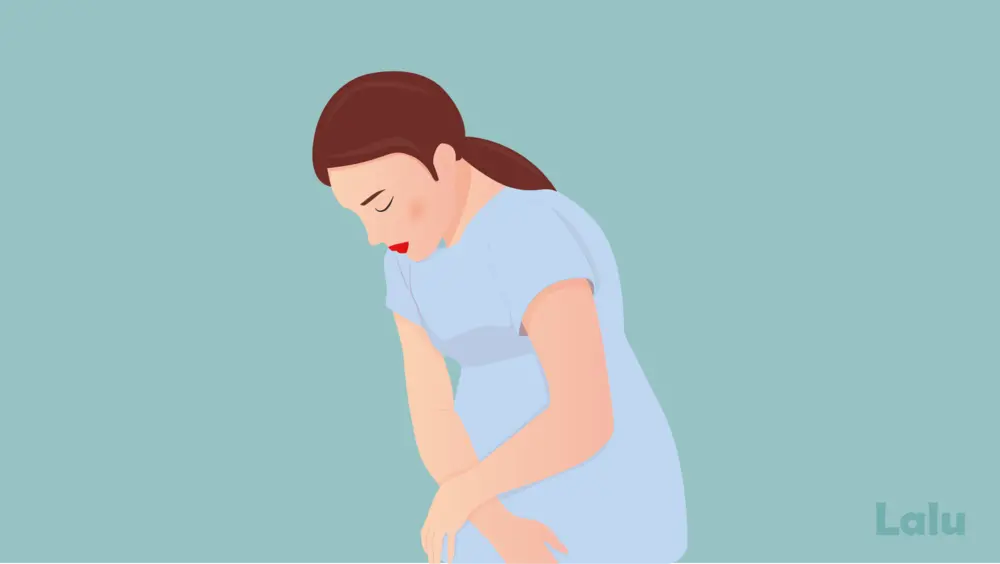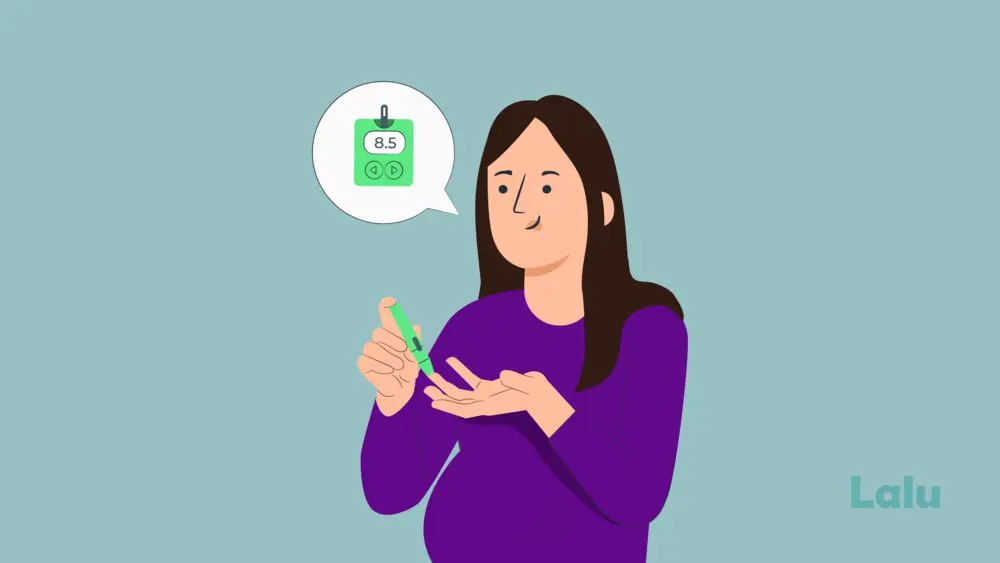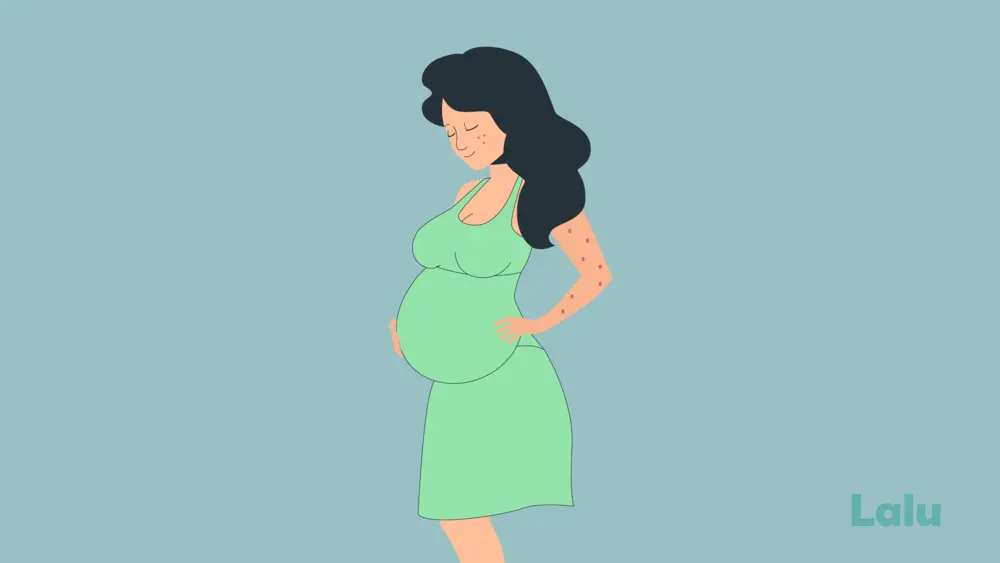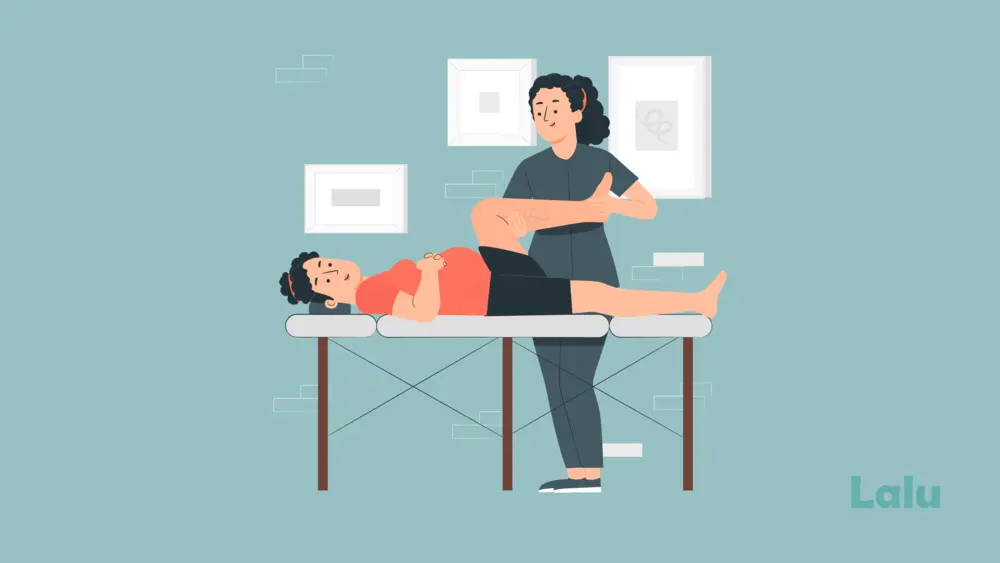
During pregnancy, varicose veins primarily appear on the legs of pregnant women. The dilation of the veins leads to swelling. As a result, itching and sometimes pain may occur, but they are usually harmless.
General information about varicose veins
Varicose veins are bulging, swollen veins in the legs. They are usually dark blue or purple in color and look like tangled threads. Varicose veins can also appear in the vagina or on the external genitalia. Varicose veins can also form in the rectum, and these are called hemorrhoids.
Causes of varicose veins during pregnancy
During the pregnancy period, many changes are observed in a woman's body. Because blood volume increases by 50% during this time, extra pressure is placed on the blood vessels to deliver blood throughout the body. Furthermore, the smooth muscles lining the veins relax and dilate due to the hormone progesterone.
As the fetus develops, the uterus grows, which in turn puts pressure on the large veins located in the pelvic and abdominal cavities. As a result, the pressure inside the leg veins increases, making it difficult for blood to reach the heart, and these veins swell and bulge.
According to data, approximately 30% of women experiencing their first pregnancy develop varicose veins. A woman's genetics also play an important role in whether or not she develops varicose veins during this period.
Symptoms of varicose veins:
- Pain in the legs;
- Itching around the veins;
- Changes in skin color;
- Cramping and swelling of the leg muscles;
- Pain after prolonged standing or sitting.
Postpartum condition of varicose veins that develop during pregnancy
Varicose veins caused by pregnancy gradually disappear 12 weeks after childbirth. If a woman has dilated varicose veins due to multiple pregnancies or has a family history, meaning a genetic predisposition to this condition, the dilated veins may not shrink even after childbirth.
Some methods to reduce swollen varicose veins during pregnancy
Varicose veins acquired during pregnancy are practically harmless. To reduce them, it is enough to follow these recommendations:
- Exercise. Daily exercise and walking improve blood circulation and help blood return to the heart. Light swimming exercises that do not require much exertion are also quite beneficial.
- Elevating the legs. It is recommended to relax the legs when sitting at a desk and to place a pillow under the feet when lying down.
- Changing position frequently. It is not recommended to sit or stand in one place for a long time. Being in constant motion is beneficial for your health.
- Using compression socks. These socks improve blood circulation and help prevent unpleasant conditions caused by varicose veins.
- Paying attention to clothing. One should avoid wearing tight clothes that constrict the waist, legs, or pelvis.
- Reducing salt intake in your diet. To keep fluid in the body at a healthy level and reduce swelling, one should consume foods with a low salt content.
Safe methods for treating postpartum varicose veins
If varicose veins do not resolve even after several months have passed since childbirth, or if they cause any discomfort, there are safe treatment methods available. According to researchers, to prevent the progression of varicose veins, it is recommended to begin treatment six to nine months after childbirth.
The type of treatment varies depending on the condition of the varicose veins. For example:
- Sclerotherapy. One of the methods for treating varicose veins by injecting medication to shrink them.
- Laser treatment. Varicose veins are removed using a laser.
- Ambulatory phlebectomy. A method of treating varicose veins through minimally invasive surgery.