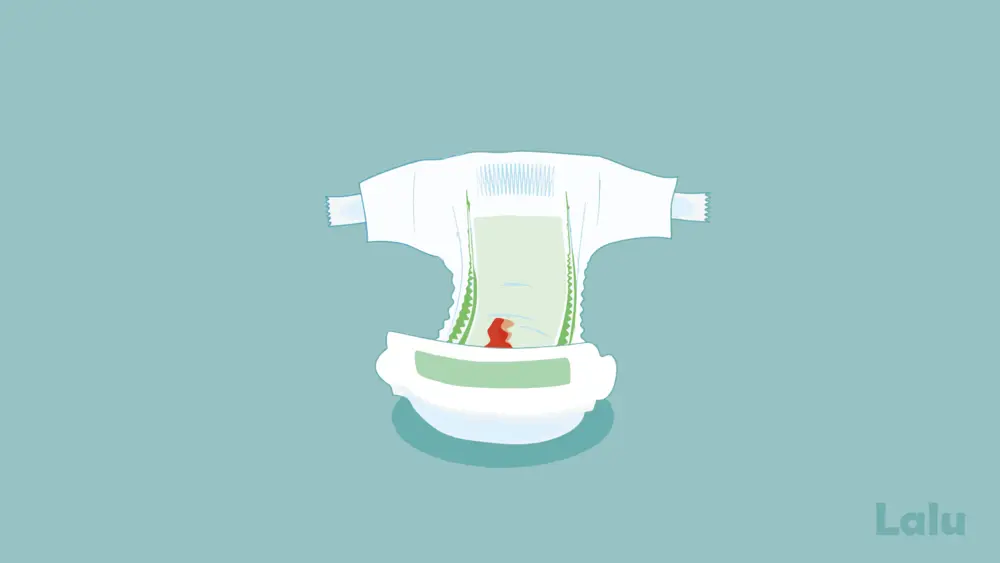
One of the most alarming changes in stool is when it looks different than usual. If an infant or child has green stool, it causes concern for many new mothers. Green stool is the most common manifestation of changes in feces. This condition is very common among children and is a normal change in stool color.
Stool is usually brown, but its color can change daily. This is usually not a cause for concern. The causes of green stool in children can vary depending on their age.
Although green stool can sometimes indicate an illness, this condition is not a serious cause for concern.
In this article, let's discuss what it means if a child has green stool, what causes green stool, and what to do if you notice your child's stool is green.
What is green stool?
Green stool is often related to what your child consumes, or the vitamins or medications they take, which can cause diarrhea and abdominal pain in the child.
Although green stool is particularly common in newborns, it can sometimes occur in young children or older children.
Symptoms
Green stool can appear on its own or be accompanied by certain symptoms of an upset stomach:
- Usually, formed stool may occasionally take on a green hue; this is a normal color change of the stool.
- Sometimes stool that appears black may actually be dark green.
- Green stool can also appear as liquid stool during diarrhea.
What causes green stool in children?
Green stool in infants and young children is caused by many factors and rarely indicates a serious health problem.
Children of all ages may experience green stool at some point, but the causes and frequency vary depending on the child's age.
Green stool in infants
Green stool is frequently observed in infants, and especially in newborns. The reasons are as follows:
- A newborn's first stool, meconium, is black and tar-like, but it can sometimes be green.
- Excessive bile secretion can also cause the stool to turn green.
- A breastfed baby's stool may suddenly turn green after passing meconium.
- Green stools can indicate an intolerance to a food in the mother's diet; in such cases, we may see that the baby experiences some discomfort and bloating.
- Viral or bacterial infections can cause the stool to become loose and green.
- Your child's stool may also turn green when you introduce solid foods, especially green vegetables, into their diet.
If a newborn continues to pass dark green stools after the first five days, it is necessary to check whether the baby is being fed correctly by the mother and gaining sufficient weight. If a new mother does not follow proper breastfeeding rules or lacks knowledge and skills in this regard, she should seek the help of specialists in childcare, including proper breastfeeding.
Causes of green stool in toddlers
- Diarrhea is an illness that causes green-colored, loose, and watery stools. Parasites can also cause diarrhea. Children are more susceptible to parasites because they are not accustomed to washing their hands and cannot do it properly.
- If your child eats complementary foods, this can also turn their stool green.
- Vitamins, especially medications containing iron, can cause a child's stool to turn green.
In older children
- Consuming green foods.
- Taking various medications or vitamins.
- Having diarrhea or an upset stomach can cause the stool to turn green.
According to the AAP, green stool is not a cause for serious concern. However, if the stool is green, unformed, watery, and frequently passed, it often indicates that the child has diarrhea, which requires attention and care for children of all ages. This is because diarrhea can lead to troubling and life-threatening conditions such as dehydration in children and blood in a child's stool.
While green stools in infants are not an immediate cause for concern, green stools accompanied by diarrhea are dangerous. According to data, diarrhea is a leading cause of death among children under 5 years of age worldwide.
When to see a doctor?
At the same time, certain stool appearances can be a cause for concern for a mother or caregiver.
If your child's stool is white, red (especially bright red), or black, you should contact your pediatrician immediately.
Having stool of these colors may not indicate a serious problem, but this condition requires consulting your doctor and getting an examination.
Warning signs
Consult a doctor if a baby or child has diarrhea and any of the following symptoms:
- signs of dehydration;
- vomiting for more than one day;
- a fever above 38.0 °C;
- lack of interest in eating.