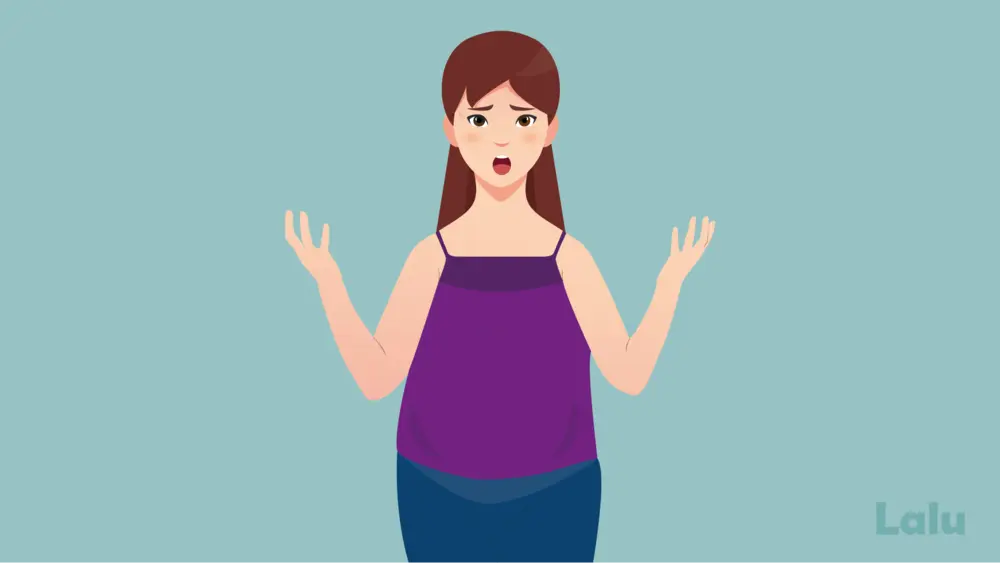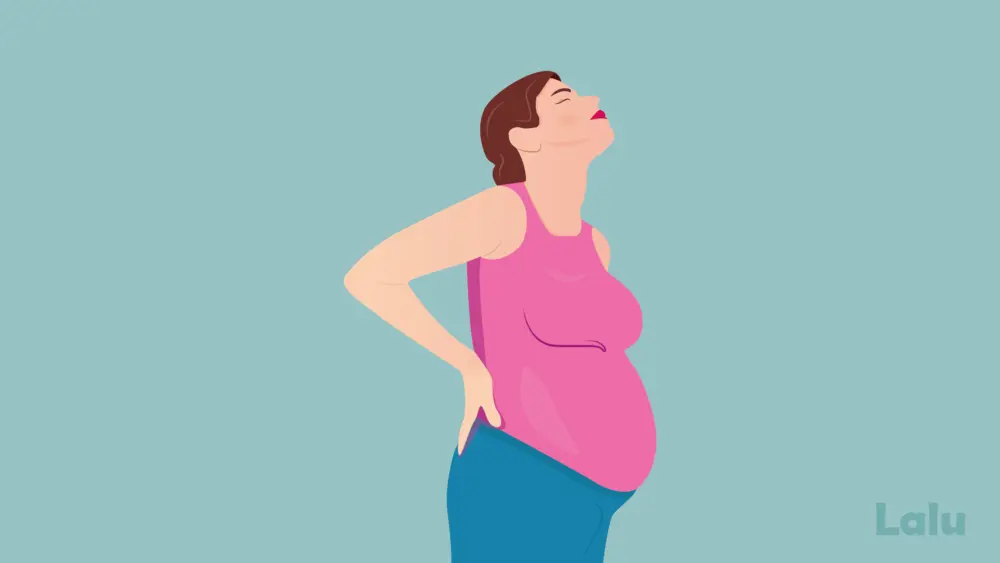
Many women are preoccupied with questions such as "how to lie down and how to sleep during pregnancy." Sleep problems are common during this period, and it is especially difficult to find a comfortable sleeping position during the third trimester. Some pregnant women may worry that certain body positions could affect their health and that of the fetus.
Many pregnant women complain of fatigue during this period, especially in the first and third trimesters. Increased levels of progesterone and carrying extra weight can also increase fatigue, which in turn can exacerbate insomnia.
The best sleep positions during pregnancy
During the first trimester, it is safe for a woman to sleep in any position she feels comfortable in, whether on her back or her stomach. All of the above positions are considered normal.
During this period, the uterus does not enlarge to the extent that it interferes with sleep. However, hormonal changes, nighttime hunger, having an empty stomach, nausea, and other pregnancy symptoms can make it difficult to sleep.
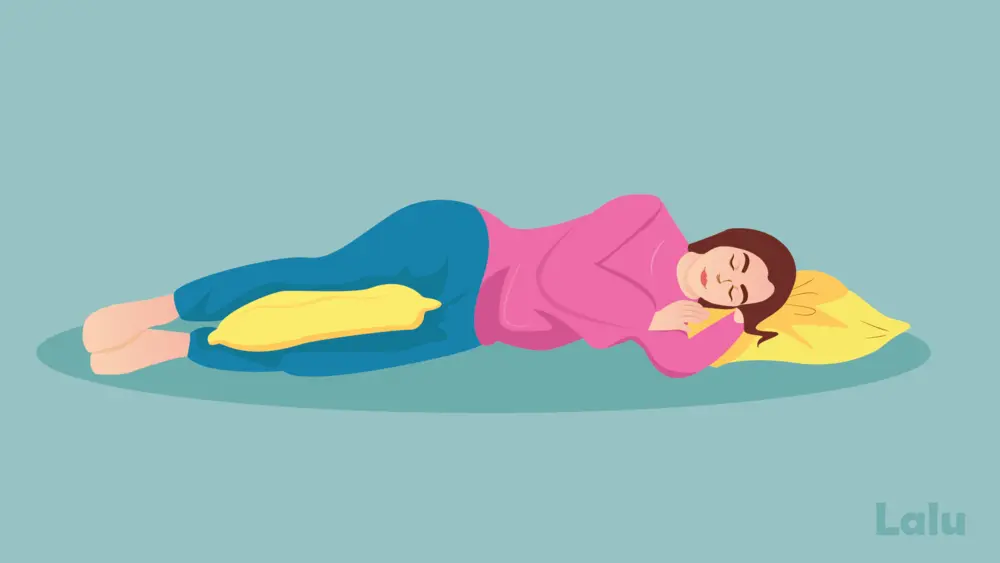
When a woman reaches the second and third trimesters, it is best for her to sleep on her left side. Sleeping in this position ensures adequate blood flow to the uterus without putting pressure on the liver.
Women experiencing back pain during pregnancy and discomfort while sleeping can place special maternity pillows between their knees. This will help alleviate the pain and discomfort.
A pregnant woman who prefers to sleep on her right side rather than her left has adapted to it and may keep sleeping that way. To date, there are no scientific studies proving that this is dangerous.
Other sleep techniques that can help address common sleep issues during pregnancy include:
- elevating the upper body with several pillows to reduce heartburn;
- elevating the legs with a pillow to slightly relieve swelling and leg pain;
- using a regular pillow or a maternity pillow.
Useful: Beneficial vegetables for pregnant women
Are there any sleeping positions to be careful of?
Experts do not highly recommend certain sleeping positions (lying on the stomach and back), as they can negatively affect the health of the mother and the unborn child.
Sleeping on the stomach during pregnancy
Many pregnant women are concerned that sleeping on their stomach can harm the developing fetus. However, the uterus protects the fetus well, and there is no reason to avoid sleeping on your stomach during the first trimester.
As the fetus grows, many women find it difficult or impossible to sleep on their stomach. There is no need to worry for women who prefer to sleep on their stomach or who frequently wake up in this position. This position does not harm the baby. Some pregnant women use several pillows to make it possible to sleep on their stomach. It is fine to use such methods, and it is perfectly safe to wake up lying on your stomach.
Sleeping on your back
Sleeping on your back is usually considered safe in the first trimester. In the third trimester, starting from the 28th week of pregnancy, sleeping on your back puts pressure on the main blood vessels supplying blood to the uterus. This adverse effect can reduce oxygen delivery to the fetus. Additionally, it can exacerbate unpleasant symptoms in pregnant women, such as dizziness and heartburn.
A woman who is concerned about frequently waking up on her back should use special pregnancy pillows that support side sleeping.
What happens if you wake up on your stomach or back during pregnancy?
Very few people stay in one position throughout the night. Don't worry if you wake up on your back or on your stomach during pregnancy. There is no harm in it. If you do not want these situations to bother you again, buy pillows designed for pregnant women.
Useful article: Changes in the abdomen during pregnancy (small, large, low, and high positions)
Pregnancy sleep aids
There are various ways to help pregnant women sleep better. Women suffering from insomnia during pregnancy or having difficulty sleeping can try the following:
- checking for a vitamin deficiency — folic acid or iron sometimes plays an important role in the occurrence of restless legs syndrome.
It is necessary to consult a doctor before using additional supplements to treat any condition. - elevating the torso and head to reduce heartburn. Some pregnant women alleviate heartburn by sleeping in a semi-sitting position.
- trying pregnancy pillows.
- having a small snack before bed. Especially in the first trimester, some women wake up very hungry. Protein-rich foods (nuts, fish, peanuts, and meat) can curb your appetite.
- eating smaller, low-fat meals to reduce heartburn.
- if snoring bothers you during pregnancy, consult a doctor about it. Heavy snoring makes breathing difficult during pregnancy.
Women who do not get enough sleep during pregnancy may experience physical and emotional exhaustion. This fatigue can make it difficult to work, go to school, or perform daily chores. If a woman experiences persistent sleep difficulties during pregnancy, she should definitely consult a doctor to improve her sleep.
We believe that through this article, we have answered to the best of our ability the questions frequently asked by women, such as "How should I lie down during pregnancy?"