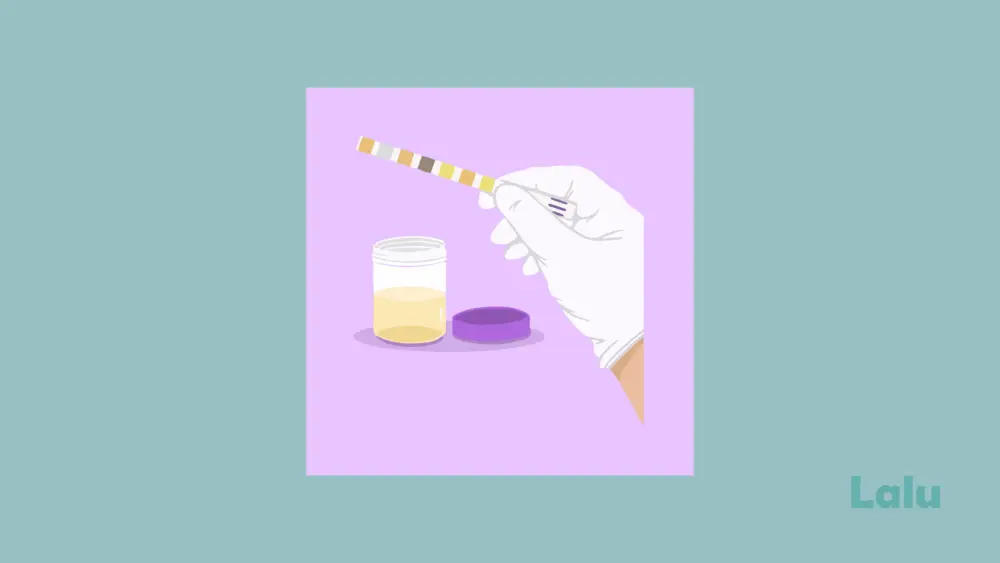
The kidneys are one of the organs that are always very active and almost never rest. During pregnancy, their workload increases even further. One of the main functions of the kidneys is to retain essential substances for the body in the blood, such as proteins, and to eliminate the remaining waste products through urine. If protein does not stay in the body but is excreted through the urine—that is, if protein is detected in a urine test—it indicates that there is some problem with the kidneys.
Protein levels in the urine can also temporarily increase at times other than pregnancy. This can be caused by the following situations:
- mental or physical strain (e.g., heavy physical exercise);
- a decrease in the body's water content;
- fever;
- exposure to extremely hot weather.
In addition, an increase in the amount of protein in the urine may also be a sign of other conditions.
If protein levels in the urine are high even before the 20th week of pregnancy, it could be chronic proteinuria (high protein content in the urine).
Chronic proteinuria can be caused by underlying kidney problems or health issues completely unrelated to pregnancy, such as heart disease. Various urinary tract infections can increase the amount of protein in the urine. In such cases, it is absolutely necessary to start treatment.
If protein levels in the urine remain high after 20 weeks of pregnancy, doctors consider this condition a sign of high blood pressure. High blood pressure can damage all organs, primarily the liver and kidneys.
HELLP syndrome (hemolysis, elevated liver enzymes, and low platelet count) is similar to preeclampsia, or even a more severe form of it, and develops on its own or together with preeclampsia.
If this condition is not treated in time, it can seriously affect the health of the woman and the fetus.
What risk factors are caused by high levels of protein in the urine during pregnancy?
First, it is important to understand that it is normal for more protein to be excreted in the urine during pregnancy than at other times. For example, if the daily protein content in the urine before pregnancy is 150 milligrams/day (mg/day), during pregnancy this doubles, becoming 300 mg/day.
During pregnancy, the kidneys have to work harder than usual due to increased blood volume. This means that the increase in protein in the urine is actually caused by pregnancy.
You may also be affected if you had a chronic condition before pregnancy, or if you have a family history (genetics) of liver or kidney disease.
If you have a family history (genetics) of women who experienced preeclampsia (high blood pressure) during pregnancy, if you had the same condition during your previous pregnancies, or if you became pregnant after the age of 35 and this is your first child, all of these are risk factors that can lead to preeclampsia.
What signs can indicate an increase of protein in the urine during pregnancy?
During pregnancy, a protein level in the urine exceeding 300 mg per day is considered high. Furthermore, you may or may not notice an increase in protein in your urine. You might not even realize that your protein levels are elevated until you take a urine test after childbirth.
The symptoms of increased protein in the urine can be similar to the following signs of kidney disease:
- swelling in the ankles, wrists, or eyes;
- a burning sensation while urinating;
- frequent urination (although this is considered normal during pregnancy);
- back pain (which is actually common during pregnancy);
- foamy, red, or brown urine.
About the dangerous factors associated with this disease
There are other serious causes and additional symptoms of excess protein in the urine.
Symptoms of preeclampsia (high blood pressure) include:
- headaches, especially severe headaches;
- blurred vision or loss of vision, increased sensitivity to light;
- abdominal pain on the right side, under the ribs;
- nausea, vomiting;
- shortness of breath;
- decreased urination.
Although weight gain during pregnancy is considered normal, consult a doctor if you suddenly gain a lot of weight.
Gaining several kilograms within a week or having swelling in the face and hands are considered risk factors.
Treatment methods
The amount of protein in the urine should be constantly monitored, and if it increases, treatment methods can be applied depending on the situation.
If you experience problems due to chronic illnesses during the early stages of pregnancy, consult with a doctor to use treatment methods that will not harm you or your unborn child.
Urinary tract infections can be safely treated with antibiotics. If there are other complications, they must be regularly monitored and checked. In this case, you will need to be examined by specialists other than obstetricians and gynecologists.
Other treatments:
- frequent monitoring of the condition;
- bed rest;
- use of blood pressure-lowering medications.