Gas is normal air in the stomach or intestines, but sometimes the accumulation of air in a baby's intestines can be painful. Some babies experience abdominal bloating and cannot sleep until the gas in their intestines passes, while others cry for hours.
In this article, we share useful information with you about the causes and symptoms of gas in babies, as well as how to relieve accumulated gas.
Gas occurs in the bodies of almost all babies. Gas forms when air enters during digestion, for example, when a baby swallows air while sucking on a bottle nipple. It is normal for your baby to experience bloating; there is no need to worry.
What are the causes of bloating in children?
Swallowing Air (Aerophagia)
If babies are not latched or breastfed properly, or when drinking liquid from a bottle, they swallow air. Children can also swallow air when they try to talk a lot.
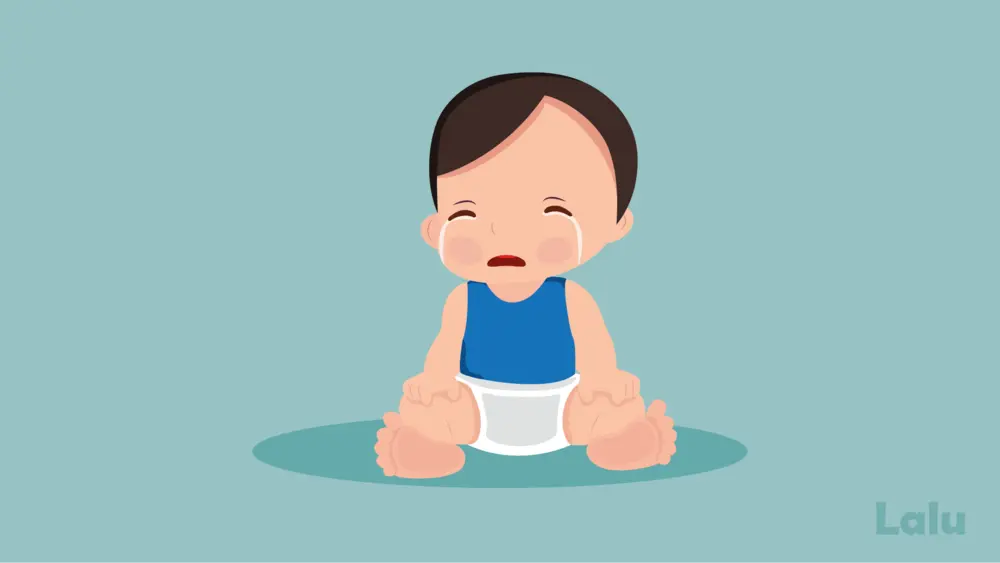
Excessive crying
Babies also swallow air when they cry. If your child's gas is caused by crying, everything will return to normal once the child calms down.
Digestive problems
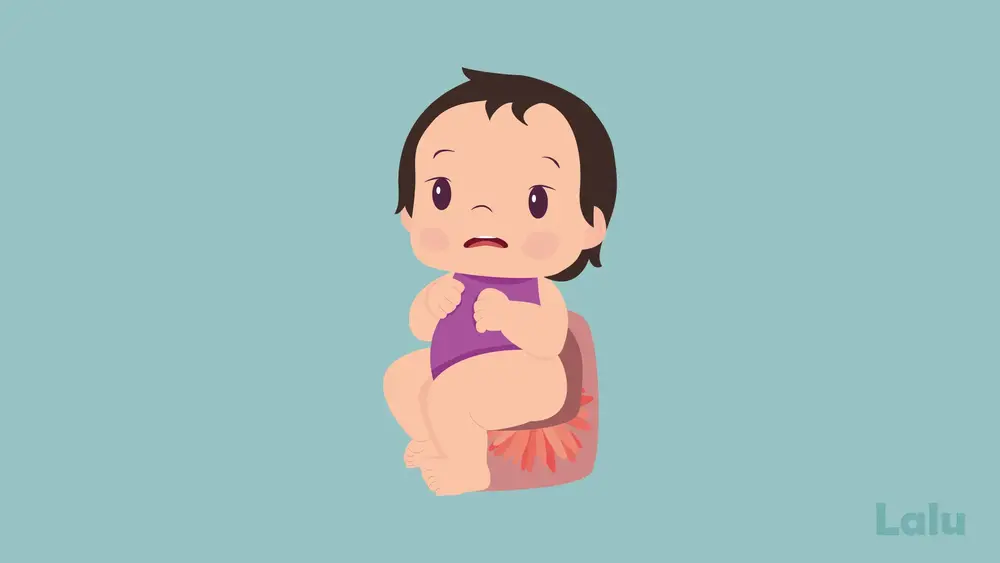
When babies suffer from constipation, that is, digestive problems, gas accumulates in their bodies.
Immature digestive tract in children
Due to insufficient digestive enzymes, incompletely digested food is broken down by microorganisms, leading to the formation of gas.
Gastrointestinal viruses
Sometimes, viruses cause problems in the digestive system:
- gas accumulation;
- vomiting;
- diarrhea.
New food products
Older children who already eat solid food may build up gas when they are given new foods. Frequent gas accumulation observed in some infants may be a sign of food sensitivity in children.
Prevention of abdominal bloating
Exercises performed at home help eliminate gas from children's intestines more quickly:
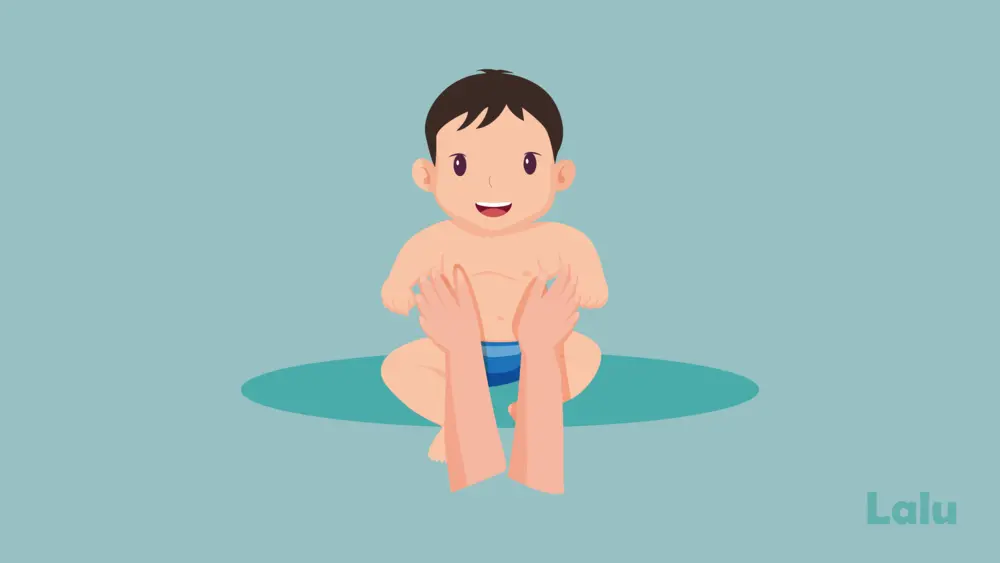
- encouraging the baby to move their legs in a circle;
- laying the infant on their back, bending their knees, and lifting their legs;
- carefully lifting the child's head above their stomach, as well as holding them in an upright position;
- taking babies for a car ride — if the baby enjoys riding in a car, this will directly help. The gentle vibration in the car can relieve pain and soothe the baby;
- swaddling babies — swaddling newborns helps them get rid of gas. However, not all babies may like this;
- holding the baby face down — holding babies face down instead of face up when carrying them can also help gas escape from the baby's body more quickly. The baby's head should be carefully raised slightly to ensure that nothing covers the baby's face or nose;
- massaging the little one's tummy — gently stroking the child's stomach facilitates the release of gas. Mothers can try pressing down on their baby's tummy with gentle clockwise or counter-clockwise movements, allowing the pressure to be adjusted based on the baby's reaction;
- tummy time — babies can be placed on their stomachs when they are awake and supervised. Lying on the stomach makes it easier for babies to release accumulated gas. In addition, this activity strengthens babies' upper body muscles and encourages them to lift their heads;
- administering gas-relieving drops — simethicone gas drops effectively help some infants quickly pass air bubbles. Parents can give their children simethicone gas-relieving drops up to 4 times a day in the prescribed dose;
- studies show that probiotic supplements prevent air accumulation in infants' intestines by balancing intestinal microorganisms. Mothers can give their child probiotics after first consulting a pediatrician.
If you cannot help your child at home, you will have to seek medical assistance.