During pregnancy, expectant mothers worry more than usual about the possibility of contracting infections and how they might affect fetal development. In this article, we will discuss the most common infections during pregnancy, how they affect the baby, and ways to prevent them.
While pregnancy is one of the most beautiful periods in every woman's life, it is also her most vulnerable time. Therefore, if an infectious disease is detected in a woman and left untreated, serious complications may arise. It is no coincidence that pregnant women must be under the constant supervision of specialists.
Fungal infections during pregnancy
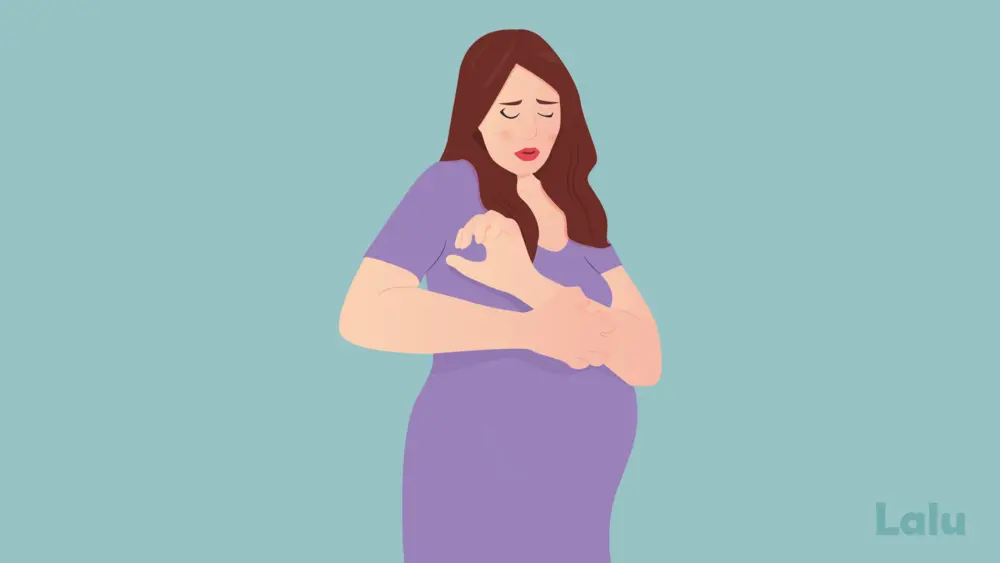
Fungal infections (Candida), like other vaginal infections, are common during pregnancy. Hormonal changes occurring in the body at this time and a general decrease in immunity are the primary causes of their development.
The most common symptoms of this infection include genital itching, white, cottage cheese-like vaginal discharge, pain or discomfort during urination, a sour beer-like odor from the vagina, and a feeling of pain or burning around the vagina.
If an infection is detected in a pregnant woman, it is mandatory to consult a doctor and take treatment measures.
Infections during pregnancy: Bacterial vaginosis
Nowadays, this infection is easy to treat. It is accompanied by the following symptoms:
- itching, burning, and pain in the genital area;
- heavy discharge;
- the appearance of an unpleasant odor.
Bacterial vaginosis must be treated. Otherwise, it can lead to premature birth.
Pregnancy problem: Cholestasis of pregnancy
Group B streptococci
The disease is often caused by a group of bacteria located in the rectum and vagina. They may not present with specific symptoms. However, the danger lies in the possibility of the infection being transmitted from the mother to the fetus, which can lead to many unforeseen and dangerous consequences, including the death of the newborn.
Uterine infections
Such infections can have a direct negative impact on the placenta. The woman may give birth prematurely, or the fetus may experience various abnormalities.
Uterine infections often develop when bacteria from the vagina enter the uterus, so untreated vaginal infections are a risk factor for uterine infections.
It is very important for every pregnant woman to understand that it is impossible to prevent an infection from spreading from the vagina into the uterus. If vaginal infections are detected in a pregnant woman, a full course of treatment must definitely be administered.
In this case, the woman may need to be hospitalized, but treatment is most often carried out on an outpatient basis using a course of antibiotics, microflora-restoring drugs, and others.
Other infections
During pregnancy, the following infections are also dangerous:
- influenza;
- hepatitis E;
- HIV;
- herpes simplex;
- listeriosis;
- measles.
Not all medications prescribed to treat infections are safe for pregnant women. Therefore, it is important to consult a doctor regarding any issue, such as choosing a medication and determining the treatment method for a specific condition during pregnancy.
Related article: Fever during pregnancy — causes, risks, and methods to reduce fever
Effects of maternal infections on the fetus
Many infections can adversely affect fetal development. It is difficult to predict how serious the consequences will be, as every body is unique. Some diseases can have a negative impact on the mother's body, while others can cause various abnormalities in the child. There are also types of infections that can lead to dangerous consequences, such as miscarriage and premature birth.
The following infections are considered the most dangerous for the developing fetus:
- gonorrhea;
- chlamydia;
- bacterial vaginosis;
- HIV, syphilis, herpes, hepatitis;
- toxoplasmosis;
- streptococcus;
- cytomegalovirus;
- listeria.
Other infections can also harm the fetus. Therefore, comprehensive examinations are prescribed for all pregnant women to detect the presence of any disorders and to prescribe timely, effective, and safe treatment.
During this process, the pregnant woman herself must take responsibility and not be indifferent to changes during pregnancy; she should consult a specialist if any unusual changes are observed. Monitoring normal changes during pregnancy also allows a woman to quickly detect pathological changes.
Diagnosis of infections during pregnancy
To detect all types of infections in a pregnant woman, she is prescribed a comprehensive examination, a venous blood test for antibodies, and a vaginal swab. This approach allows for an objective assessment of the clinical picture, the investigation of all problems, and the implementation of necessary measures.
Prevention
The American Academy of Pediatrics provides some strategies to reduce the risk of infections and prevent them during pregnancy:
- Strictly follow hygiene rules (simply washing your hands regularly is also good protection against some infections);
- Cook meat thoroughly;
- Avoid unpasteurized (raw) milk and products made from it;
- Consult your doctor about Group B streptococci;
- Consult your doctor about the flu vaccination; if there are no contraindications, get vaccinated;
- Get tested to detect or rule out sexually transmitted infections;
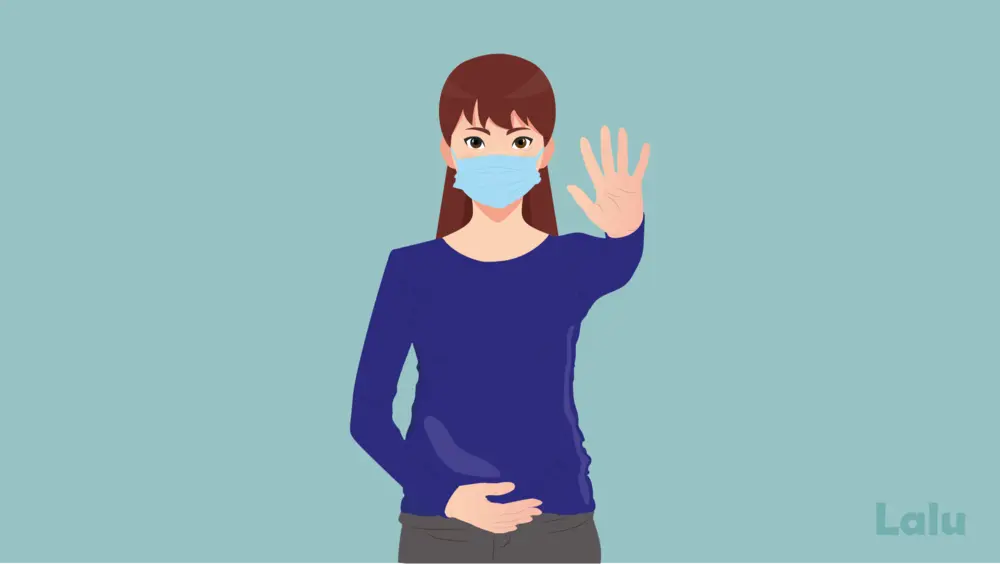
- Avoid contact with people suffering from infectious diseases;
- Protect yourself from disease-carrying insects;
- Do not touch dirty cat litter or contaminated soil. (Risk of toxoplasmosis infection)