Digestive issues such as diarrhea and constipation are common during pregnancy. This is usually attributed to hormonal changes, dietary changes, and additional stress.
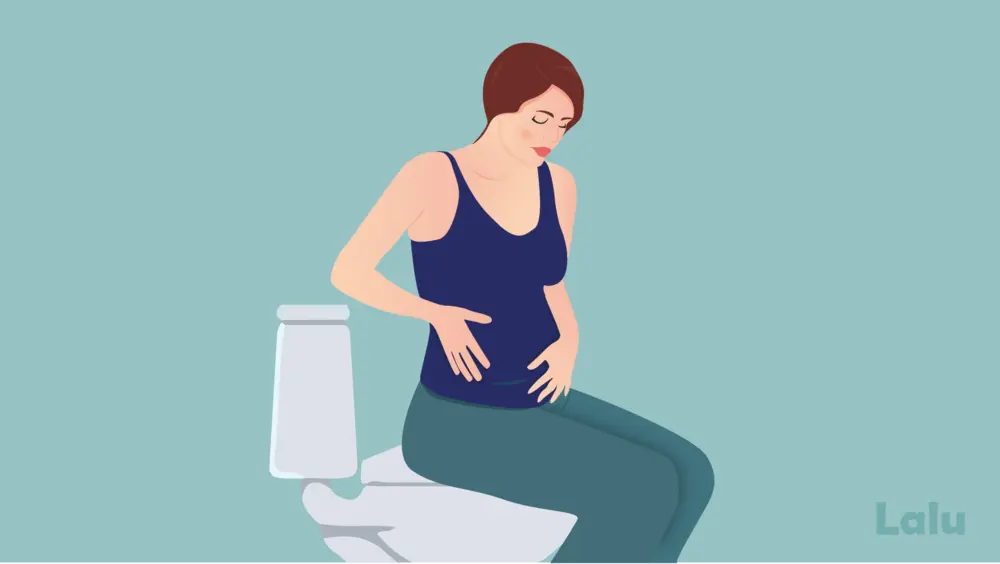
Diarrhea refers to having three or more loose, watery bowel movements in a day. Persistent diarrhea can lead to dehydration and poor absorption of nutrients. During pregnancy, this can harm the woman and the fetus. Pregnant women suffering from severe and prolonged diarrhea should seek medical attention immediately.
What is diarrhea?
Diarrhea is a very common condition that can affect anyone, including pregnant women. According to the American College of Gastroenterology, there is a lack of modern research on the occurrence of diarrhea in pregnant women. Diarrhea during pregnancy can occur as a result of hormonal or physical changes. However, this condition may not be related to pregnancy, but may arise as a result of an infection or intestinal disorder.
Causes of diarrhea
Hormonal changes
One of the changes that can lead to diarrhea is an increase in prostaglandin levels. Like oxytocin, prostaglandins help strengthen uterine contractions. However, they can also increase movement through the digestive organs. An increase in prostaglandin levels can also lead to diarrhea during menstruation. Synthetic prostaglandin preparations can also cause diarrhea.
Infectious diarrhea in pregnancy
Intestinal infections are the primary cause of diarrhea. In addition to diarrhea and watery stools, people with infectious diarrhea may have the following symptoms:
Organisms that cause infectious diarrhea include bacteria, such as Escherichia coli, Campylobacter, Salmonella, or Shigella, as well as viruses and parasites.
People can contract these harmful organisms through contaminated food or water. Infectious diarrhea can be a risk when traveling to developing countries. Therefore, to avoid diarrhea during pregnancy, a pregnant woman must strictly follow hygiene rules.
Diseases of the digestive system
Chronic diarrhea can primarily be a symptom of intestinal damage, such as inflammatory bowel diseases, including:
- celiac disease;
- Crohn's disease;
- irritable bowel syndrome;
- small intestinal bacterial overgrowth.
The above conditions can cause many other symptoms.
For example:
- abdominal pain and cramping;
- abdominal bloating and swelling;
- weight loss;
- fatigue;
- nausea and vomiting;
- skin and joint problems;
- anemia.
If diarrhea is accompanied by other symptoms like the ones above, consult a doctor immediately.
Other causes
Loose stools or diarrhea during pregnancy can also be caused by:
- food allergies;
- dietary changes;
- stress during pregnancy;
- certain medications;
- sorbitol;
- xylitol or mannitol.
During pregnancy, when a woman needs to be careful about what she eats, she should consult a specialist.
Useful: What is not allowed during pregnancy? The 11 most harmful foods
When to see a doctor?
Diarrhea can lead to severe dehydration and malnutrition, which is dangerous for the woman and the fetus.
A pregnant woman should seek immediate medical attention if she experiences any of the following:
- blood or pus in the stool;
- diarrhea lasting more than 48 hours;
- 6 or more loose stools within 24 hours
- a fever of 39°C or higher;
- frequent vomiting;
- severe pain in the intestines and abdomen;
- signs of dehydration, such as dark urine, thirst, dry mouth, dizziness, or decreased urination.
Treatment for diarrhea
A pregnant woman can prevent dehydration by drinking plenty of water. It is also important to drink electrolyte fluids.
In addition,
- broths and soups;
- mineral drinks;
- fruit juices;
- decaffeinated beverages.
To help pregnant women prevent dehydration and restore electrolytes lost due to diarrhea, doctors may recommend consuming foods such as apple juice, bananas, plain potatoes, rice, and toast.
Furthermore, avoid foods and drinks that can worsen diarrhea, such as dairy products, fats, sugary foods, and caffeinated beverages.
Treating diarrhea with medication
Consult a doctor before taking any new medication during pregnancy. Some medications may be harmful, and the safety of others may not be clear.
Based on information from Medicalnewstoday and gi.org, this article was prepared by the Lalu team.