High blood pressure, or hypertension, can occur at any stage of pregnancy. An increase in blood pressure during pregnancy has a significant impact on the woman. If left untreated, the condition can cause serious health problems for her and her unborn child.
Types of hypertension during pregnancy
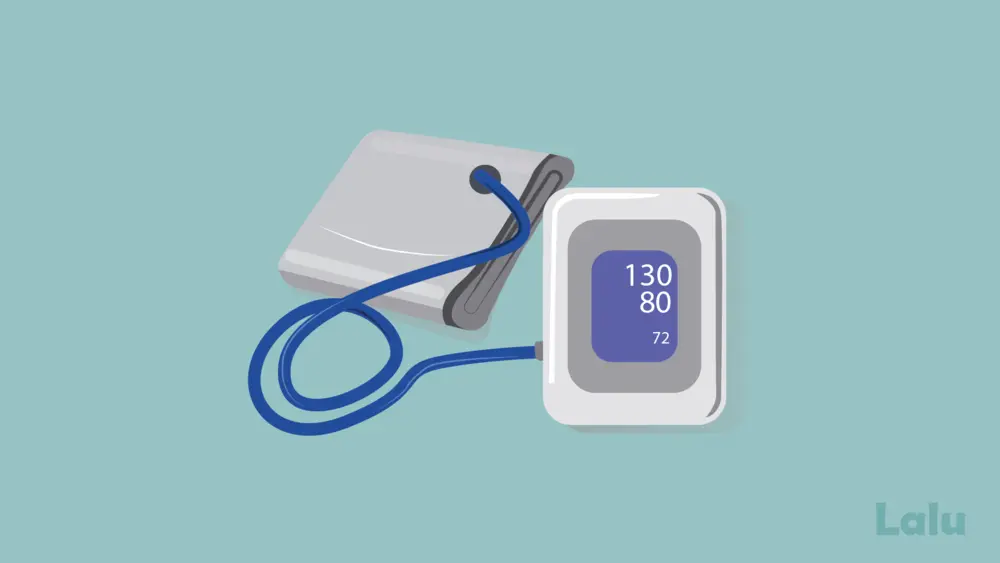
A blood pressure reading equal to or higher than 140/90 millimeters of mercury indicates high blood pressure. Pregnant women may experience one of 3 types of high blood pressure: chronic hypertension, gestational hypertension, and preeclampsia.
Chronic hypertension
Women with chronic hypertension may have had high blood pressure before becoming pregnant, or they may have developed high blood pressure during the first half or by the 20th week of pregnancy. This condition, called chronic hypertension in women, can be accompanied by preeclampsia. Women with chronic hypertension may have an abnormal amount of protein in their urine, which is known as proteinuria.
The presence of protein in the urine indicates kidney problems. Women may also have liver-related problems.
Pregnancy-related hypertension
Pregnancy-related hypertension occurs only during pregnancy; in this case, there is no protein in the urine and no changes are observed in the liver. In women, this condition usually develops in the second half of pregnancy or after the 20th week. This form of high blood pressure is usually temporary and resolves after childbirth. However, it can increase the risk of high blood pressure later in the woman's life. In some cases, blood pressure remains high after pregnancy, leading to chronic hypertension.
Preeclampsia
Preeclampsia is a high blood pressure disorder that can develop in women during pregnancy or after childbirth. It is a serious condition that can lead to severe consequences. It usually occurs in the third trimester. It rarely appears after childbirth, but it can occur.
Symptoms of preeclampsia include:
- High blood pressure;
- Proteinuria;
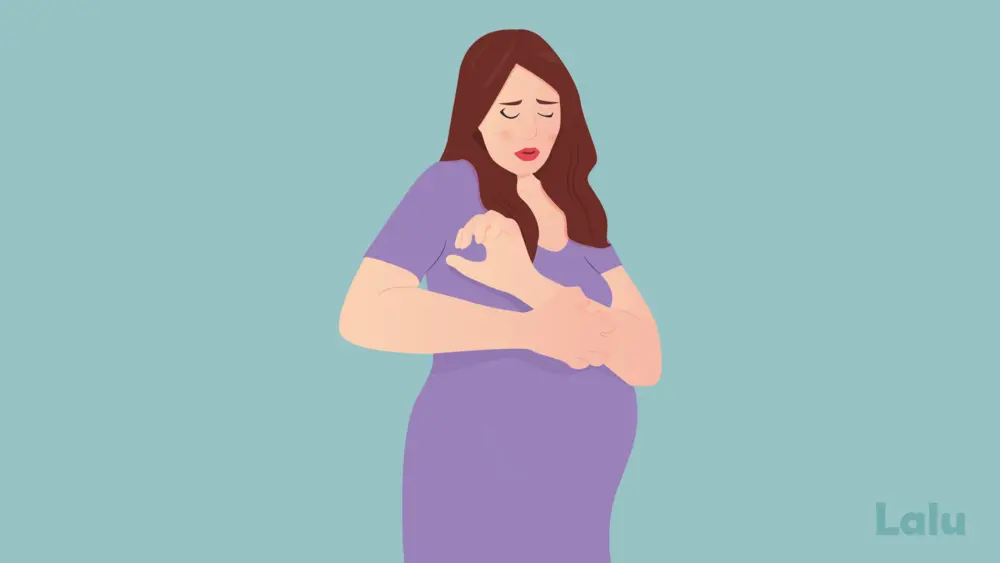
- Swelling in the face and hands;
- Weight gain due to fluid accumulation;
- Headache;
- Dizziness;
- Shortness of breath;
- Abdominal pain;
- Nausea and vomiting;
- Decreased visual acuity;
- Increased sensitivity to light.
Complications of hypertension for the mother
If high blood pressure is severe and uncontrolled, it can cause complications for the mother and her unborn child. High blood pressure during pregnancy also increases the risk of future health problems for women. According to a 2013 study, gestational hypertension is associated with an increased risk of ischemic heart disease, myocardial infarction (heart attack), heart failure, and ischemic stroke. Poorly managed high blood pressure increases the risk of a woman developing preeclampsia and diabetes.
Hypertension risks for the fetus
High blood pressure can lead to premature birth, the baby being larger or smaller than normal, as well as infant death. A mother's high blood pressure affects her blood vessels. This leads to a decrease in the flow of nutrients to the fetus through the placenta, resulting in the baby being born with a low birth weight. Premature birth associated with hypertension can cause a number of health complications for the infant. For example, if the lungs are not fully developed, a premature baby may experience some breathing difficulties.
Symptoms
The American Heart Association calls high blood pressure a "silent killer" because most people who have it do not show any symptoms of the disease. This means that a person may have high blood pressure without realizing it. Blood pressure monitoring is an important part of prenatal care. It is important to remember that women can develop high blood pressure before pregnancy, during pregnancy, and after pregnancy.
Treatment of high blood pressure during pregnancy
Women with chronic hypertension need to take antihypertensive medications throughout their pregnancy. However, since some common antihypertensive drugs cannot be taken by pregnant women, it is necessary to consult a cardiologist and gynecologist and remain under medical supervision.
If a woman experiences severe high blood pressure, or is developing preeclampsia or eclampsia, the doctor may prescribe medications to lower her blood pressure and, if the pregnancy has not reached full term, help the baby develop. Women may be hospitalized for observation.
Prevention of blood pressure changes during pregnancy
Simple lifestyle changes, such as being more active and eating a healthy diet, can help prevent high blood pressure. It should be noted that some risk factors, including family history, race, and previous pregnancy history, are beyond a person's control. Therefore, it is impossible to prevent all risk factors for high blood pressure during pregnancy.
There are several ways to reduce the risk of high blood pressure during pregnancy. They include:
- limiting salt intake;
- staying hydrated;
- a balanced diet rich in fiber (fruits, vegetables) and low in processed foods;
- doing regular pregnancy exercises;
- undergoing regular prenatal check-ups;
- refraining from smoking and drinking alcohol.
It is recommended that pregnant women have their blood pressure checked regularly throughout their pregnancy, especially if risk factors are present. This allows for early detection of the disease and taking necessary measures in a timely manner.