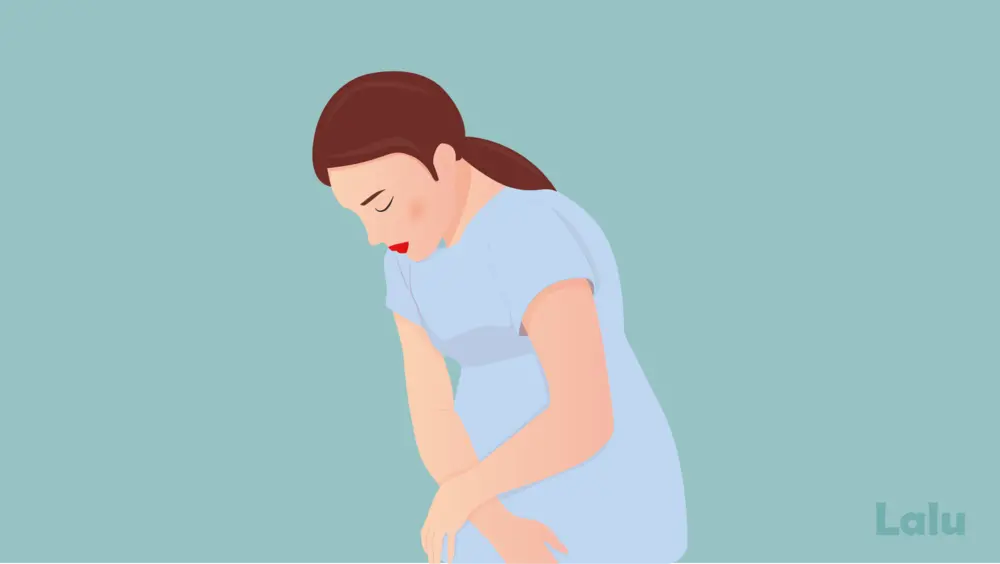
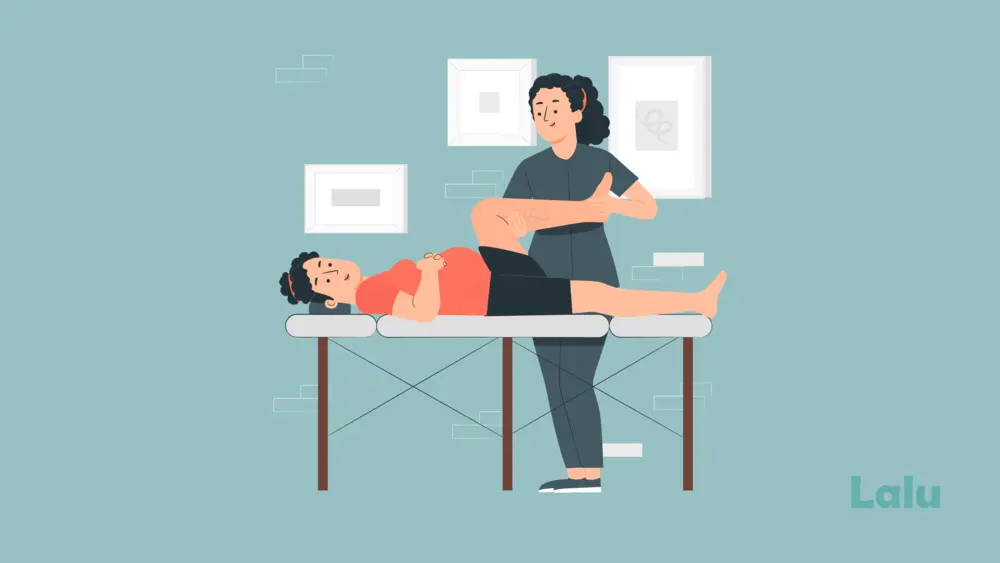
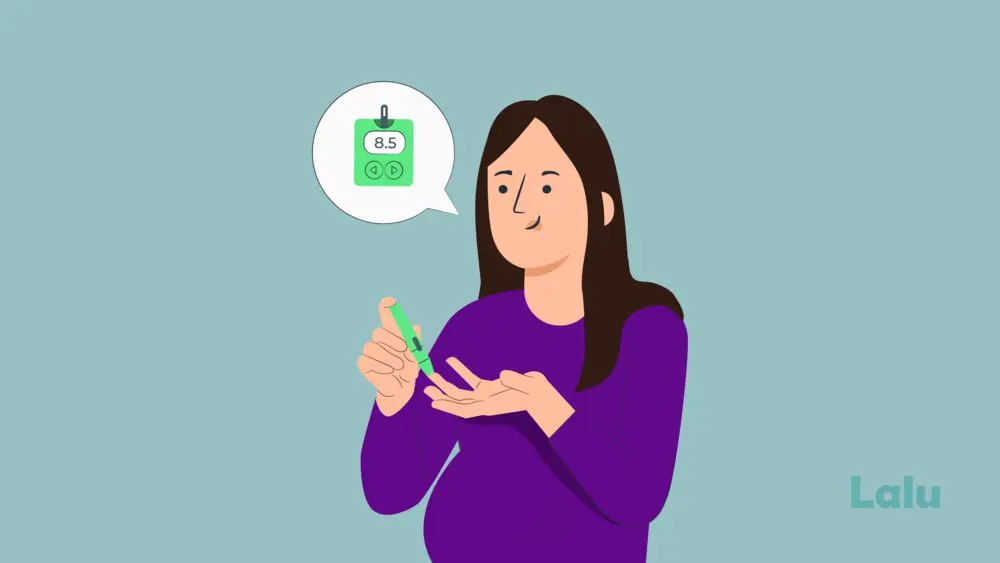
Many expectant mothers experience mild aches and pains, such as cramping, several times throughout pregnancy. As the baby grows and develops, daily changes occur in the body, and carrying a baby for 9 months is no easy task.
Cramping can be one of the common symptoms experienced during pregnancy. If a woman is well-informed, she can easily understand what is causing each type of pain in her body.
Stages of Cramping
During the first and second trimesters, the entire body is busy creating a comfortable environment for the baby. During this time, the uterine muscles begin to stretch and expand. This stretching of the muscles can cause a pulling sensation on both sides of the abdomen. Early in pregnancy, it is also possible to feel period-like cramps.
Causes
In early pregnancy, women often experience constipation, which can also lead to cramping. In addition, cramps can frequently occur even while performing routine daily exercises.
Infection
Fungal infections or urinary tract infections can also cause cramping. A study conducted by the British Medical Association showed that approximately 6% of expectant mothers develop urinary tract infections during pregnancy.
Important: Cytomegalovirus
Sexual intercourse
Sexual intercourse can also trigger cramping. According to the nonprofit organization HealthyWomen, most healthy women can have sex right up until the baby is born. However, having sex during pregnancy may not feel very comfortable as the belly grows.
Ectopic pregnancy
Although mild cramps are considered normal during pregnancy, it is recommended to see a doctor if they cause any pain. If the cramping is accompanied by spotting or bleeding, this could be a sign of an ectopic pregnancy, meaning the embryo may have implanted in one of the fallopian tubes rather than in the uterus. In this situation, see a doctor urgently.
If you have severe, persistent pain that does not go away within a few minutes, you must see a doctor immediately.
High blood pressure during pregnancy
High blood pressure usually begins after 20 weeks of pregnancy. Raised blood pressure can be a sign of pre-eclampsia. Pre-eclampsia can cause pain under the ribs, in the upper right part of the abdomen. If you have this pain, a severe headache, blurred vision, or sudden swelling of the face, hands and feet, see a doctor straight away. High blood pressure also increases the risk of the placenta separating from the uterus before birth (placental abruption).
Cramping and the third trimester of pregnancy
In the third trimester of pregnancy, women begin to feel additional pressure in the pelvic area because the baby develops and grows very rapidly during this period.
As the baby grows larger, its legs press on the vaginal nerves. When the baby starts constantly moving and turning in the abdominal cavity, the woman may feel more pressure and cramping than usual when walking. In such cases, resting by lying on one side for a while helps reduce the pain, but if the pain persists, it is essential to consult a doctor.
Relieving cramps
There is no need to panic when experiencing cramps; simply following a few simple tips is enough. First, it is necessary to reduce intense physical exertion and the factors that trigger cramps. Taking a warm bath before bed at night and resting in a calm, peaceful environment helps significantly reduce abdominal pain.
Interesting: What do pregnancy cravings indicate?