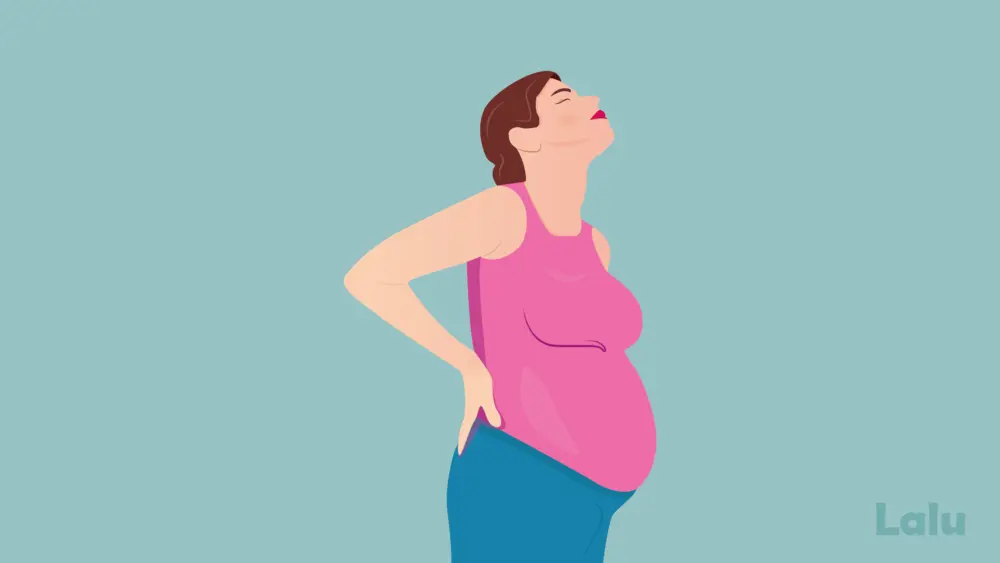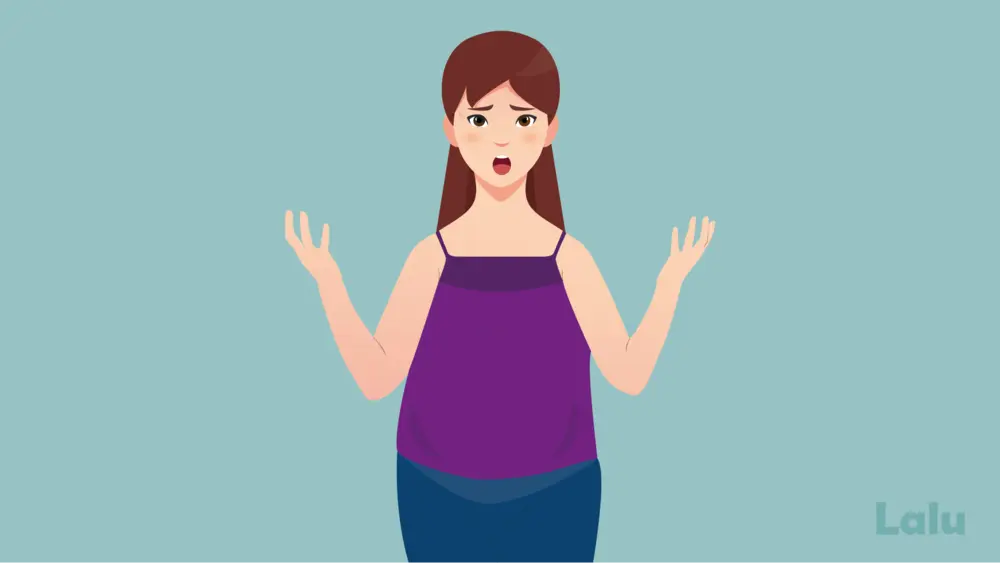
Pregnancy can cause you to experience a range of emotions, including feelings of anxiety or stress, but this is perfectly normal. Stress during pregnancy is a normal reaction to major changes (including pregnancy). In some cases, stress can even be good for people, serving as an incentive for them to take action against new challenges.
However, being under stress for too long can cause various health problems for you and your future child.
What causes stress during pregnancy?
Some women naturally become anxious as soon as they begin to feel the first signs of pregnancy, leading to a stressful situation. A woman may feel as though she has lost control or that she lacks the strength to manage what she is experiencing.
Stress can stem from an unplanned pregnancy, initial negative thoughts after becoming pregnant, concerns about childbirth or motherhood, or following a miscarriage or fetal death.
Stressful situations can also arise while you are waiting for the results of your prenatal tests and in your reaction to physical changes during pregnancy or a difficult pregnancy.
Additionally, situations at home can cause stress, such as being a single parent, having a teenager in the family and dealing with their whims, experiencing relationship difficulties and figuring out how to overcome them, including domestic violence.
If you experience several of the above conditions at the same time, you may experience more stress.
How does stress during pregnancy affect the fetus?
Chronic (persistent) stress can negatively affect your health or general well-being, and may present with symptoms such as headaches, insomnia, rapid breathing, and a rapid pulse.
Some people experience the following conditions:
- Obsessive thoughts;
- Anxiety or restlessness;
- Irritability;
- Eating problems (eating too much or too little, or poor diet);
- Inability to rest or problems with resting.
Chronic stress can also cause problems for your unborn child. It can also lead to an increase in problems with your child's future physical and mental development, as well as behavioral problems during childhood.
Important: Snoring during pregnancy and its symptoms
Reducing stress during pregnancy
Just as it is important to take care of your physical health, it is equally important to take care of your mental well-being during pregnancy. When you feel good, happy, and joyful, you can manage your stress better. When you can manage your stress, it will not have a serious impact on you and your unborn child.
To manage stress, try doing the following:
- Pay attention to the situations that cause stress and notice what happens when you are stressed;
- Take it easy, get some rest, and do not put excessive physical or mental pressure on yourself;
- Eat healthily; proper, well-balanced meals will help maintain your and your baby's health;
- Talk to someone you trust about your thoughts and feelings;
- Chat with other pregnant women via your favorite mobile app "Lalu" and discuss common issues. If necessary, contact a specialist doctor;
- Physical activity, as well as resting, helps reduce stress. Engage in regular exercises suitable for pregnancy: do yoga, meditate, relax through breathing exercises, and use videos or podcasts;
- Engage in your favorite activities, such as reading, watching TV, or pursuing a hobby, and spend time with people who make you feel relaxed and at ease;
- You don't have to solve every problem yourself. If you need help, try to ask for it, and accept offers when people want to help you.