Dehydration is one of the problems that occur more often during pregnancy than at other times. In most cases, dehydration during this period is mild, but sometimes severe dehydration occurs, which can pose a serious threat to the health of the mother and baby.
The fetus places significant demands on a woman's body, and pregnant women need to consume additional nutrients. Morning sickness, as well as conditions that cause frequent vomiting, also plays an important role in the development of dehydration.
Symptoms of dehydration during pregnancy
Usually, the first sign of dehydration is thirst.
People who are thirsty after sweating, those who have spent a long time in the heat, or those who have been without water for a long period are especially likely to become dehydrated.
Other signs of dehydration include:
- dry throat or mouth;
- dry and cracked lips;
- dry-looking skin;
- a feeling of dryness in the eyes;
- thin skin that clings to the bones;
- dark-colored urine;
- infrequent urination;
- not sweating even in hot weather;
- feeling weak and tired;
- constipation, hard stools, and hemorrhoids;
- weakness and drowsiness.
Some pregnant women experience uterine contractions when they become dehydrated.
When dehydration becomes severe, the feeling of thirst may disappear. Some signs of severe dehydration during pregnancy include:
- dizziness and confusion;
- rapid heartbeat;
- changes in the baby's movements;
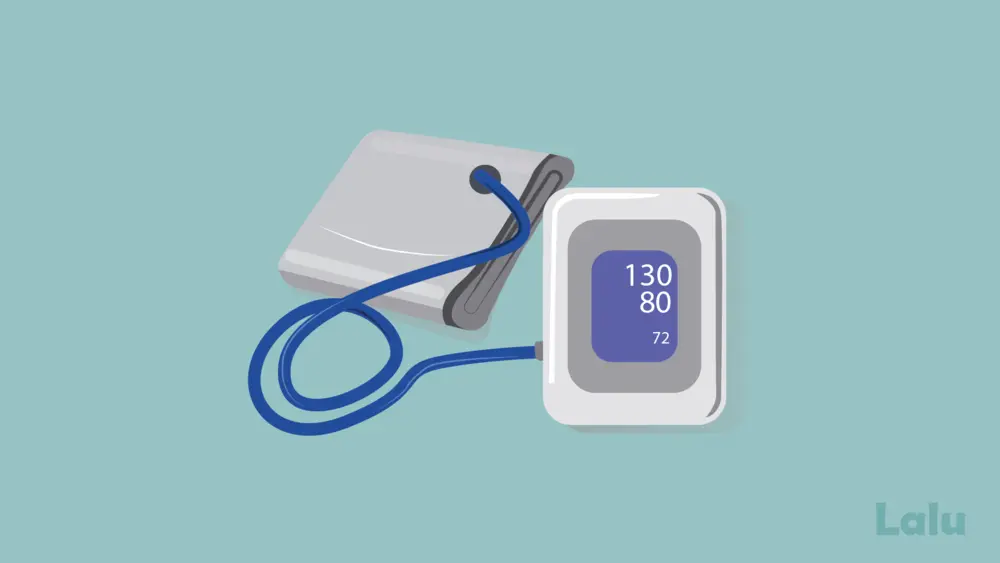
- low blood pressure causing dizziness or fainting;
Severe dehydration can also lead to depression and organ damage. This condition can also harm the baby.
Causes of dehydration during pregnancy
The causes of dehydration fall into 2 general categories:
Not drinking enough water
Although there are many recommendations regarding how much water people should drink per day, individual water needs vary. As noted above, pregnancy places additional demands on the female body. Therefore, women generally need to drink more water during pregnancy than they did before.
Not absorbing enough water
Certain medical conditions, especially vomiting and diarrhea (loose stools), make it difficult for the body to absorb an adequate amount of water.
Nausea and vomiting occur more frequently during pregnancy than at other times. Women with eclampsia, which occurs in 3% of pregnancies, may experience severe vomiting that leads to significant weight loss and dehydration.
Other health problems, particularly those affecting metabolism, can cause dehydration during pregnancy. These include:
- kidney diseases;
- certain rare metabolic disorders.
Interesting:
During pregnancy, you should drink 8-12 glasses (1.8-2.7 liters) of water daily. Water is beneficial during pregnancy. It aids in digestion and the formation of amniotic fluid. Water also helps circulate nutrients throughout the body.
Complications
Mild dehydration during pregnancy is usually not dangerous because a woman can quickly replenish her fluids, but severe dehydration can be dangerous not only to the mother's life but also to the baby's life.
Dehydration leads to a decrease in the amount of amniotic fluid. This can affect the baby's development, lead to premature birth, and affect the properties of breast milk. Dehydration can also cause a deficiency in nutrients that are essential for the health of the pregnant woman and the developing baby.
When should you consult a doctor?
It is difficult to determine on your own whether dehydration is severe or mild.
If drinking water or electrolyte drinks does not help improve this condition quickly, consult a doctor immediately. Pregnant women should see a doctor for dehydration in the following cases:
- when the woman feels that the baby's movements have changed;
- when bleeding or fluid leakage begins;
- when experiencing contractions that may be a sign of premature birth;
- when experiencing vomiting or diarrhea for more than 12 hours;
- when not sweating even in hot weather, despite drinking fluids;
- when urinating very little or not at all;
- when feeling faint or extremely weak.
Women with eclampsia or other conditions should consult a doctor when it is time to go to the hospital. If the doctor suspects that the woman's symptoms require emergency medical care, they should seek emergency care immediately.
Useful: Anemia during pregnancy
To prevent dehydration
To prevent dehydration, drink fluids until your urine becomes clear or very light yellow. Always carry a water bottle with you and drink water and fluids frequently.
Women who engage in a lot of physical exercise and spend a lot of time outdoors in very hot weather should consume relatively more fluids.