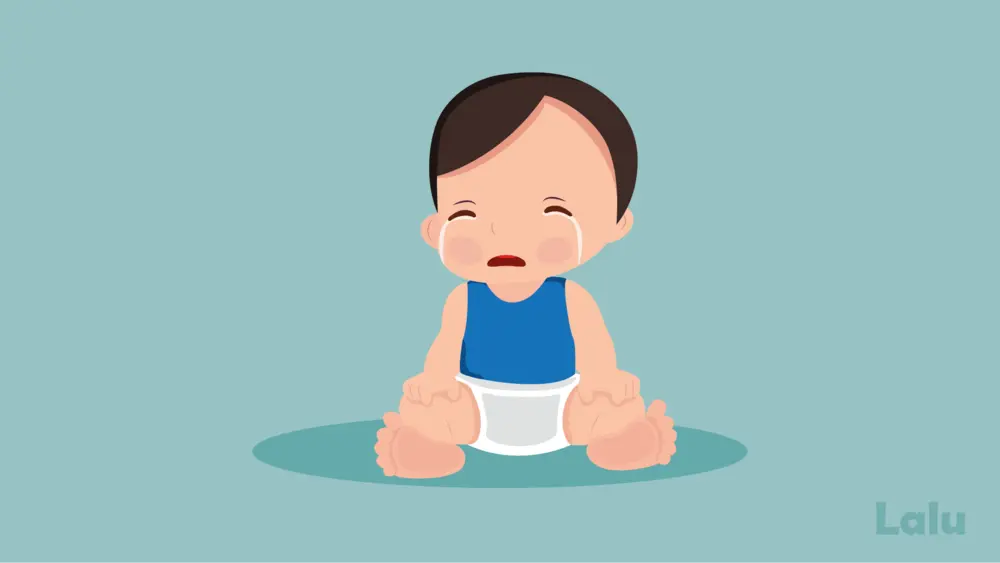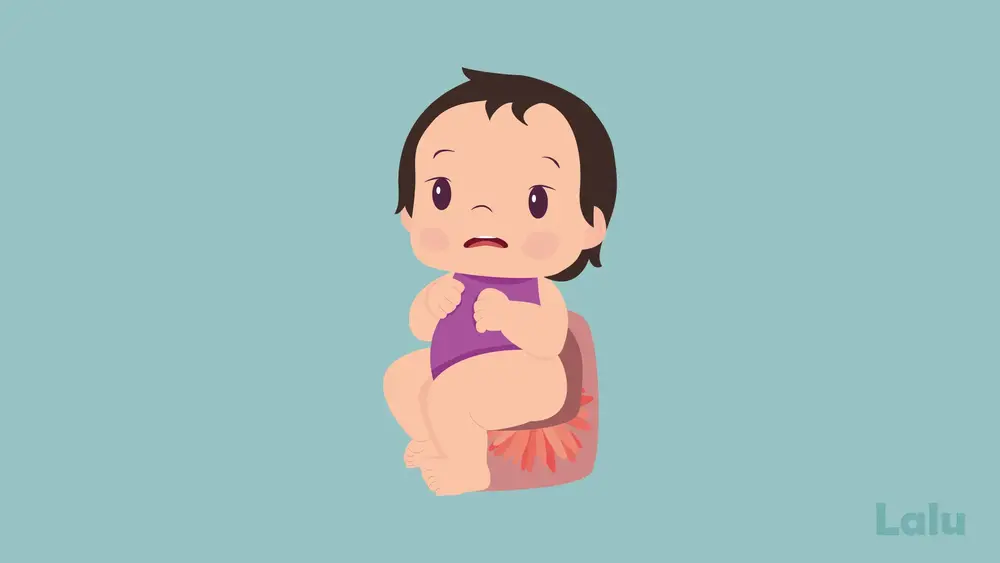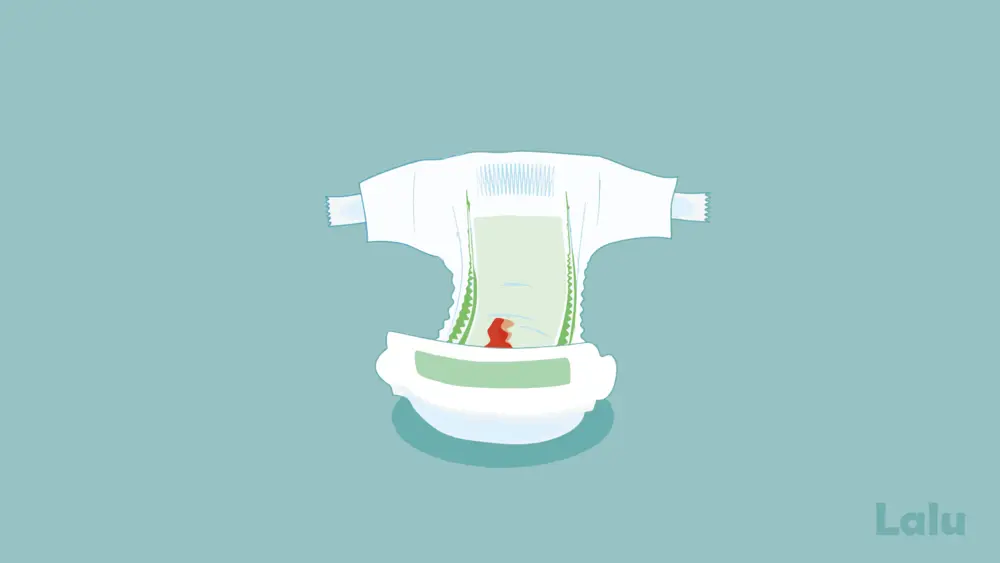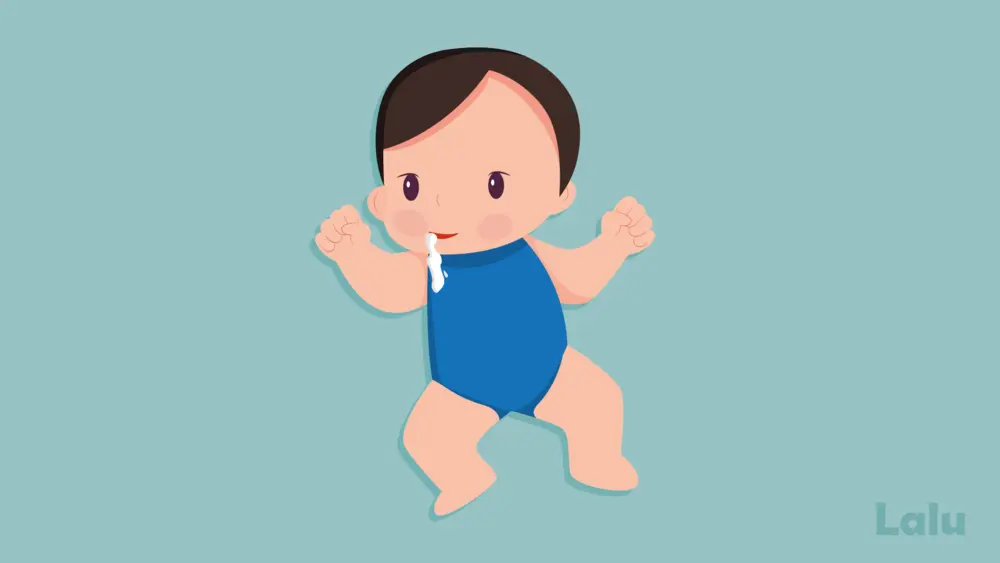
Many childhood illnesses can cause vomiting, so you may see your child experience this problem several times in their early years. Usually, a baby's vomiting resolves without any treatment, but it is not easy for you to watch this happen.
This can make you nervous and anxious, combined with the fear that something might be seriously wrong and a desire to do something to make them feel better. To provide you with accurate information, this article will explain the causes of vomiting and how to help your child when it occurs.
Baby vomiting and spitting up
First of all, there is a difference between actual vomiting and simply spitting up. Vomiting is the forceful expulsion of stomach contents through the mouth. Spitting up (often observed in infants under one year of age) is the gentle flow of stomach contents out of the mouth, which is frequently accompanied by burping.
Vomiting occurs when the stomach relaxes and the abdominal muscles and diaphragm contract strongly. This reflex action is triggered by the "vomiting center" in the brain.
Useful: Benefits and drawbacks of prolonged breastfeeding
Causes of infant vomiting
Common causes of spitting up or vomiting vary with age. For example, during the first few months, most babies spit up small amounts of breast milk, which usually occurs within the first hour after feeding. Spitting up is simply the occasional flow of food from the stomach out of the mouth through the tube that leads to it (the esophagus). If the baby is burped frequently and active movement after feeding is limited, the occurrence of spitting up is relatively reduced. Spitting up decreases as the baby grows older, but may persist in a mild form in children between ten and twelve months of age. Spitting up is not serious and does not prevent the baby from gaining weight normally.
During the first month, a child may experience periodic vomiting. If this happens repeatedly, or if the vomiting is very severe, consult your pediatrician. While this may just be a mild feeding difficulty, it can also be a sign of a serious illness.
Persistent vomiting in infants
In children between two weeks and four months of age, persistent severe vomiting may occur, which can be caused by the thickening of the stomach muscles. This thickening of the inner lining of the stomach, known as hypertrophic pyloric stenosis, causes difficulty in the passage of food from the stomach into the intestine. This condition requires immediate medical attention. Usually, surgery is required to open this narrowed area. An important sign of this thickening is severe vomiting that occurs in the child within 15–30 minutes of or after feeding. If you notice this condition in your child, consult your pediatrician.
Read: Eczema in children — causes, treatment, and prevention methods
Gastroesophageal reflux (GERD)
Sometimes, in the first weeks or months of a child's life, instead of disappearing, spitting up starts occurring constantly. This happens when the muscles in the lower part of the esophagus become excessively relaxed, and the food mass from the stomach contents backs up. This process is called gastroesophageal reflux, or GERD for short.
Infection
One of the most common causes of vomiting after the first months of life is an infection in the stomach or intestines. Viruses are the most common infectious agents, but sometimes bacteria and even parasites can be the cause of this condition. An infection can also cause fever in infants, diarrhea, and sometimes nausea and abdominal pain. The infection is usually contagious.
Useful article: What to do if a child has green stool?
If your child has an infection, it can spread to other children around them.
Rotaviruses are the primary cause of vomiting in infants and young children, often accompanied by symptoms of fever and diarrhea.
Rotavirus is one of the viral causes of gastroenteritis, but other viruses such as noroviruses, enteroviruses, and adenoviruses can also cause it.
Infant vomiting is not always a mild condition, and some cases require immediate medical attention; therefore, regardless of your child's age, watch out for the following problems and symptoms, and if they begin to appear, consult your pediatrician immediately.
- Blood or bile in the vomit;
- Severe abdominal pain;
- Severe, frequent vomiting;
- Abdominal swelling or bloating;
- Fatigue, weakness, or severe irritability;
- Trembling or shivering;
- Symptoms of dehydration, including dry mouth, absence of tears, and decreased urination;
- Inability to drink enough fluids;
- Vomiting lasting more than 24 hours.