Many women experience a loss of appetite during pregnancy. You may find food unappealing or feel hungry, but you cannot force yourself to eat at such times.
What causes a loss of appetite during pregnancy?
It is normal for your appetite to change, especially since so many changes occur in your body during pregnancy. If you lose your appetite, you may experience a general lack of interest in all foods or a lack of desire to eat. Keep in mind that a loss of appetite during pregnancy is different from the very common aversion to specific foods.
A loss of appetite during pregnancy can be caused by several factors:
Nausea and vomiting
Nausea and vomiting are common during pregnancy, especially in the first trimester as morning sickness, and in some women, this condition may persist throughout the entire pregnancy.
If you are experiencing a loss of appetite due to nausea and vomiting, try to avoid fatty or spicy foods, drink liquids separately from meals, and eat small, frequent portions.
Mental health status
Various mental health conditions, including stress and depression, can affect your appetite.
Pregnant women may be more susceptible to mental health problems due to various physical and biochemical changes. In particular, depression can cause changes in eating habits, including a decrease in appetite.
Interesting: What do cravings during pregnancy indicate?
Medications
Some medications that can be used during pregnancy can reduce appetite. If you suspect that your loss of appetite is due to the medications you are taking, consult your doctor.
Eating disorders
Some pregnant women may experience eating disorders, including anorexia and bulimia. According to expert estimates, disordered eating occurs in 0.6-27.8% of pregnant women.
Other possible causes
In pregnant women, loss of appetite can also occur due to tumors, stomach dysfunction, heartburn, and Addison's disease.
Additionally, pregnancy-related changes in taste and smell, as well as deficiencies in nutrients such as vitamin B12 and iron, can cause a loss of appetite in some pregnant women.
Useful: Bleeding gums during pregnancy
How to restore appetite during pregnancy?
If you are experiencing a loss of appetite, you need to think about how to properly manage your diet.
Even if you feel you cannot eat full portions, you can prioritize foods that are adequate for you. This will help ensure that you and your unborn baby consume enough nutrients.
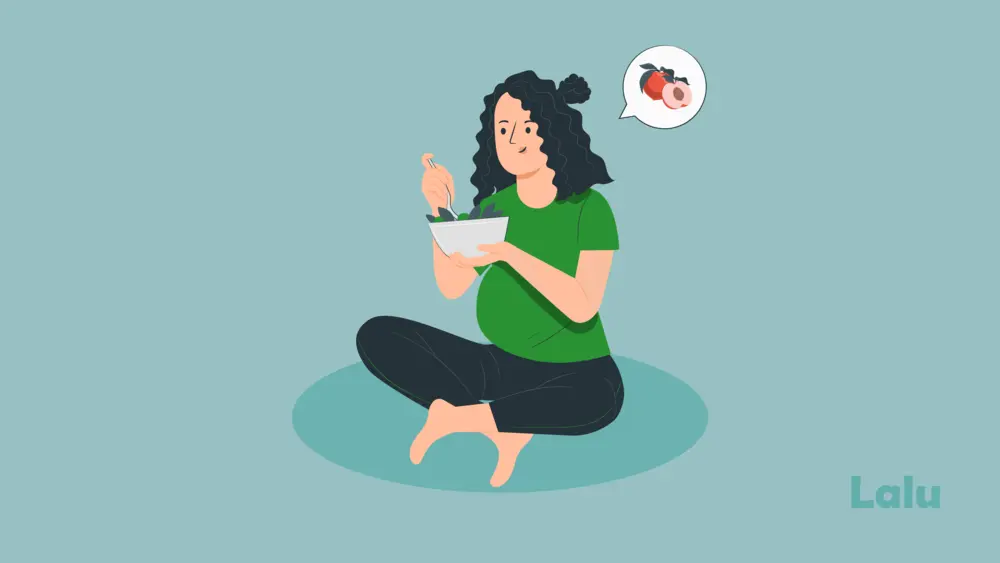
Below are a few types of food that are easy to prepare, come in small portions, and are easily digested:
- Protein-rich foods: hard-boiled eggs, yogurt, roasted chickpeas, cheese, chicken pieces, and turkey;
- Soft, fiber-rich healthy vegetables: sweet potatoes, green beans, baby carrots (boiled or raw), and fresh spinach salad;
- Small bites: fresh berries, oatmeal, dried fruits, and dairy products like plain cottage cheese;
- Soft grains/starches: brown rice, pasta and pasta products, cheese, as well as baked and mashed potatoes;
- Soups: chicken noodle soup and chicken mastava;
- Liquids: plain broths and healthy smoothies.
Useful: What should be avoided during pregnancy?
When should you worry?
If you experience an occasional loss of appetite or lose your appetite for certain foods, there is usually no need to worry as long as you consume enough nutrients every day.
For example, if you consistently eat nutrient-rich foods and your weight is appropriate for your gestational age (you can also monitor your weight via "Lalu"), you don't need to worry about an occasional loss of appetite.
Additionally, some pregnant women may lose their appetite for specific foods, including highly aromatic foods and meat. However, this is a relatively common condition and is usually not a cause for concern.
However, if you are not eating regularly or if your loss of appetite lasts for more than a day, you should consult your doctor.
This is because it is crucial to get enough nutrients to support your health, as well as the health of your growing baby.
Complications associated with undernutrition during pregnancy
Undernutrition can lead to many pregnancy-related complications, including poor fetal growth, low birth weight, and maternal weight loss. It also causes impaired cognitive and behavioral functions in children. Both macronutrients and micronutrients are equally essential for ensuring a healthy pregnancy.
Women who experience chronic loss of appetite during pregnancy are at risk of anemia, fetal growth disorders, and premature birth.