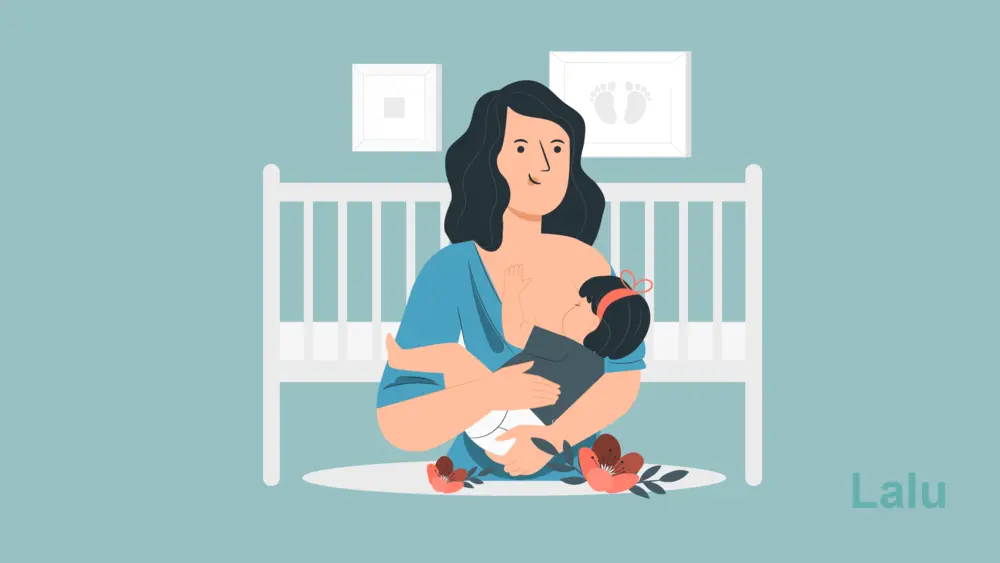
Breastfeeding children for a specific period from birth is not a precisely defined term used in medicine, but rather a cultural marker. There are merely concepts formed based on the values of women who breastfeed (nurse) their children for an unusually long period.
The American Academy of Pediatrics recommends that mothers breastfeed their infants during the first 6 months of life. Children should be breastfed for at least 1 year; in subsequent periods, complementary foods can be introduced for the child's active development.
Benefits of long-term breastfeeding
According to doctors, particularly specialists in the field, mothers breastfeeding their children for extended periods helps strengthen the infant's health. Studies conducted by researchers on the positive effects of long-term breastfeeding show that breast milk helps deliver beneficial nutrients to the child.
Below, we will introduce you to some of them:
Maternal health: Women who breastfeed their children for extended periods have a lower risk of breast cancer, ovarian cancer, type 2 diabetes, and high blood pressure;
Child health: breast milk is rich in antibodies that help fight infections. Conditions such as asthma, sudden infant death syndrome (SIDS), ear infections, diarrheal diseases, respiratory infections, and diabetes are rarely observed in breastfed infants;
Emotional well-being: some studies show that breastfeeding mothers have lower levels of anxiety, stress and depression compared to other women. Active communication is observed between breastfeeding mothers and their children;
Easy calming: breastfeeding is the best way to calm children. In most cases, it is enough for mothers to breastfeed to put their baby to sleep and to soothe them when they cry;
Convenience: breast milk allows the child to feed quickly, regardless of where they are, and delivers food or fluids to the body without delay;
Nutritional supplement: Breast milk remains a nutritious food source even after the first year of a child's life. While children are being introduced to new foods, breast milk helps fill the gaps in their nutrition.
Harms of prolonged breastfeeding
If a child consumes sufficient complementary foods after 1 year of age, there is no need to breastfeed. Regarding the disadvantages of long-term breastfeeding, the following can be noted:
Cultural stigma: women in many Western countries generally do not consider prolonged breastfeeding to be the norm;
Time: Breastfeeding requires time and energy from mothers. A person's time is valuable, and mothers with young children often give up prolonged breastfeeding to have enough time to sleep, work, engage in hobbies, and take care of themselves;
Workplace issues: Because working women spend less time with their child during the day, breastfeeding problems arise.
Fertility: Breastfeeding suppresses the process of ovulation, but this likelihood decreases as the child grows older.
When should breastfeeding be stopped?
It is recommended that mothers who want to raise a healthy child breastfeed for the first 6 months of their child's life. In fact, after 6 months, new foods can be introduced to the child's diet. In general, mothers should continue breastfeeding until at least the end of the first year.
After this initial stage, you should consider how suitable continuing to breastfeed is for you and your child.
To clarify this, you can ask yourself the following questions:
- Do I feel that my child and I are benefiting from breastfeeding?
- Do I want to continue breastfeeding?
- Is breastfeeding more convenient than other alternatives?
- Is there another reason to stop breastfeeding?
There is no specific right or wrong time to stop breastfeeding, and it is entirely a personal choice. When making a decision, everyone should consider how beneficial long-term breastfeeding is for themselves and their child.