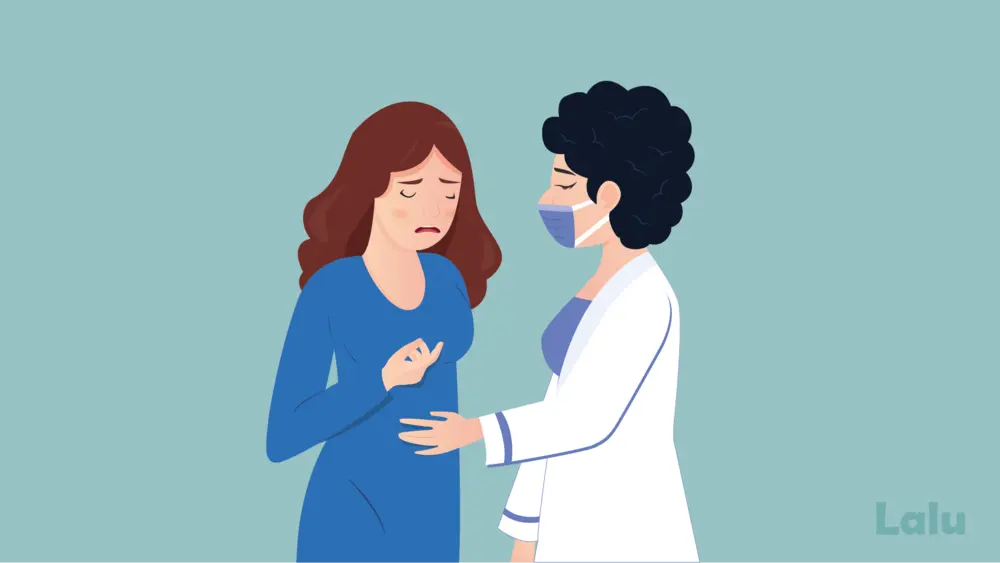
During pregnancy, when you were worried about becoming a mother, your loved ones probably told you, "You'll know what to do once you have a child." From an evolutionary perspective, the concept of maternal instinct is well known. Interestingly, once you become a mother, you automatically sense how to care for your child.
However, when you bring a child into the world, you are not given a "special manual" compiling information on how to care for, feed, and put the baby to sleep.
In fact, maternal instinct is a myth, and relying on it is not entirely right. If you didn't immediately understand how to raise a child the moment you became a mother, don't worry!
What is maternal instinct?
There is no clear definition of maternal instinct. For some, it means the desire to become a mother, while others view it as a moral or emotional guide on what is right and wrong when raising a child. For yet others, maternal instinct is about protecting the child from harm. However, no scientific research has clearly proven what maternal instinct actually is.
Interesting: What do pregnancy cravings indicate?
Does maternal instinct exist?
It is natural for various changes to occur in the body and brain during and after pregnancy. Postpartum oxytocin (the "happiness hormone") has a positive effect on the bond between a mother and her newborn. Breastfeeding boosts oxytocin levels in the mother, further enhancing feelings of love and attachment to the child.
Other studies show that pregnancy significantly alters the structure of a woman's brain. According to a 2016 study, the degree of change in gray matter during pregnancy indicates how close a mother will be to her child. However, this does not mean that a woman will master everything through maternal instinct after giving birth.
What if there is no maternal instinct?
There is no need to worry if the maternal instinct "lightbulb" does not suddenly switch on after your baby is born. Rather than relying on maternal instinct or this concept, it is better to seek help and advice from others, including specialists from "Lalu."
The most essential recommendations are as follows:
- If you have serious concerns about your child’s health, call a pediatrician;
- If you experience problems with breastfeeding, see a lactation consultant;
- If you feel low or depressed, consult a perinatal mental health therapist;
- Seek support from women’s support groups that understand how difficult being a mother can be.
- Download the “Lalu” mobile app and stay updated. The project aims to provide young mothers with knowledge and skills in childcare.
Sometimes, being unable to bond with your baby or not feeling affection for them can be a sign of postpartum depression. If you feel guilty, indifferent, or detached, you may be experiencing a postpartum mental health disorder. In such a situation, contact healthcare professionals as soon as possible.
The downsides of relying on maternal instinct
Although maternal instinct may seem helpful in raising a child, relying too much on this guidance can actually lead to negative consequences. For instance, being overly confident without fully understanding what motherhood entails can lead to making wrong (and dangerous for the child) decisions.
For this reason, always make use of reliable and useful information prepared by the "Lalu" team, and, if necessary, consult the specialists on the "Lalu" team.