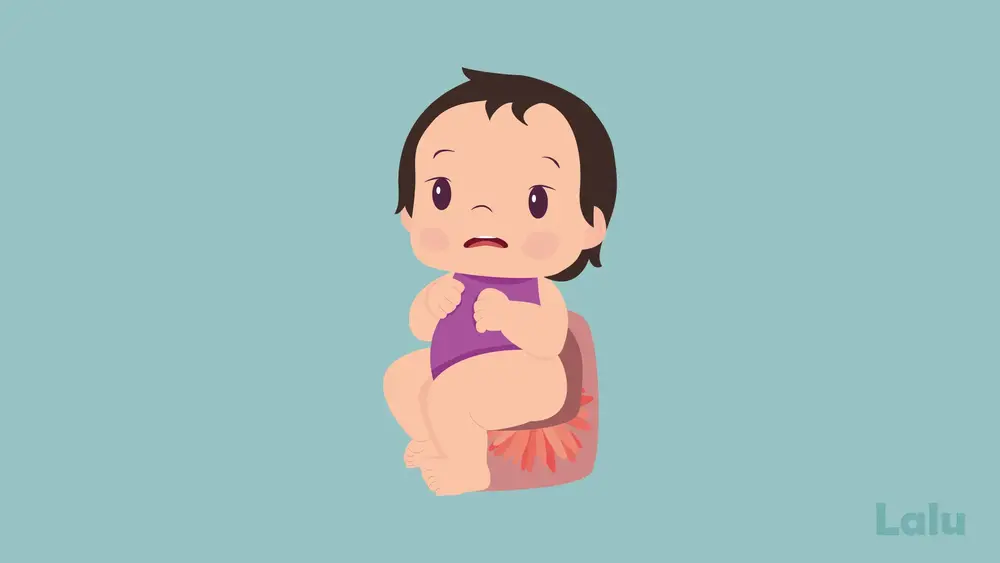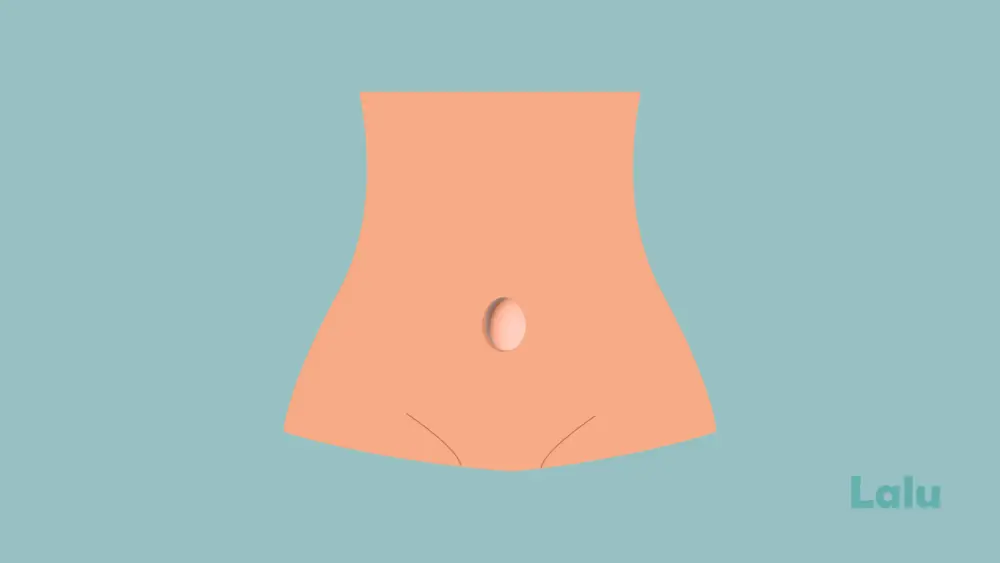
An umbilical hernia occurs when a part of the intestine pushes through a hole in the abdominal muscles.
If the muscles surrounding the abdominal cavity do not close completely, an umbilical hernia forms due to a hole in the abdominal wall. When the intestines gather in the opening, a hernia bulges out of the abdomen.
Umbilical hernias are observed in newborns and infants up to 6 months of age, and, unusually, in adults. By the time children reach 4-5 years of age, 90% of umbilical hernias resolve naturally without treatment.
If the hernia does not resolve naturally, surgical treatment is performed. Treatment depends on the size of the hole in the abdominal muscles.
Symptoms of an umbilical hernia
In infants, the hernia is painless. Its only real sign is a swelling on the baby's abdomen or the visible appearance of a "hernia" on the outside.
When a child cries or passes stool, the hernia may bulge out or recede due to muscle strain. This process causes the hernia to develop and the skin to stretch.
An umbilical hernia causes abdominal pain and increased pressure. The pain may intensify, especially when a person sneezes, coughs, lifts heavy objects, or has a bowel movement.
In adults, as in young children, a hernia may protrude or bulge from the umbilical region. A strangulated hernia can also cause nausea, fever, and vomiting.
Causes of umbilical hernia
When the umbilical cord is separated from the placenta after birth, the connective tissue of the umbilical ring closes spontaneously in newborns. If this closure is delayed or does not occur at all, an umbilical hernia develops.
There are several causes for the occurrence of this condition in adults:
- accumulation of fluid in the abdominal cavity;
- long-term dialysis for the treatment of kidney failure;
- multiple pregnancies;
- obesity;
- previous abdominal surgery.
Children with a hernia do not experience any painful complications. The hole may also close naturally over time without treatment. However, in rare cases, the hernia becomes strangulated. This occurs when a person's abdominal organs become trapped in the hernia sac or when blood flow decreases.
Symptoms of a strangulated umbilical hernia include:
Parents and caregivers who notice such symptoms in a child should seek emergency medical assistance.
Treatment of umbilical hernias
In infants, umbilical hernias rarely require treatment. In most infants, the hernia closes naturally by 1 or 2 years of age; if it does not close, it is resolved surgically at 4 or 5 years of age.
If the hernia continues to increase in size, especially if it becomes painful or strangulated, the child will need immediate attention from a pediatric surgeon.
In patients of any age, an umbilical hernia is treated surgically. During surgery, the umbilical hernia is excised along with its sac. This is usually an outpatient procedure, allowing patients to return home on the same day.