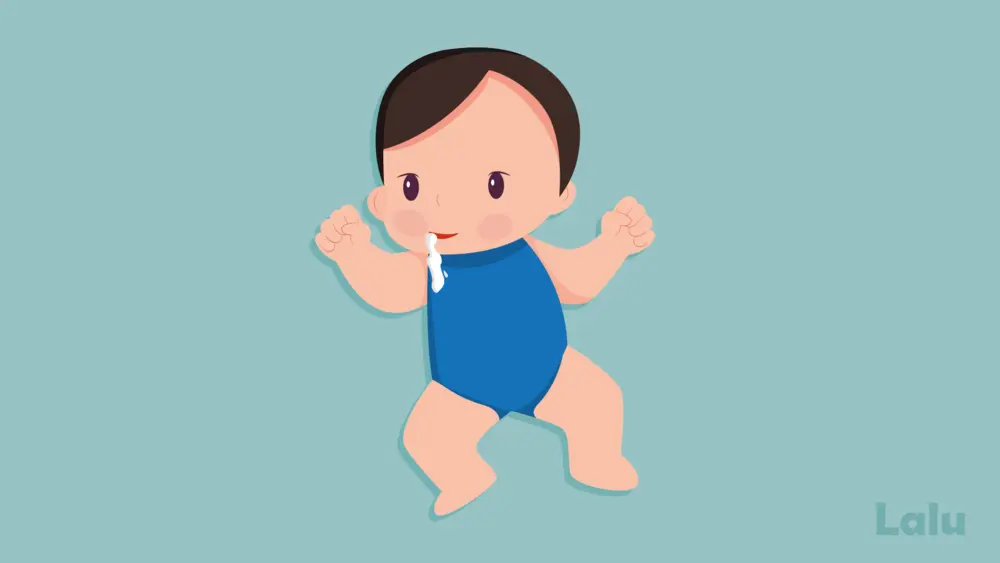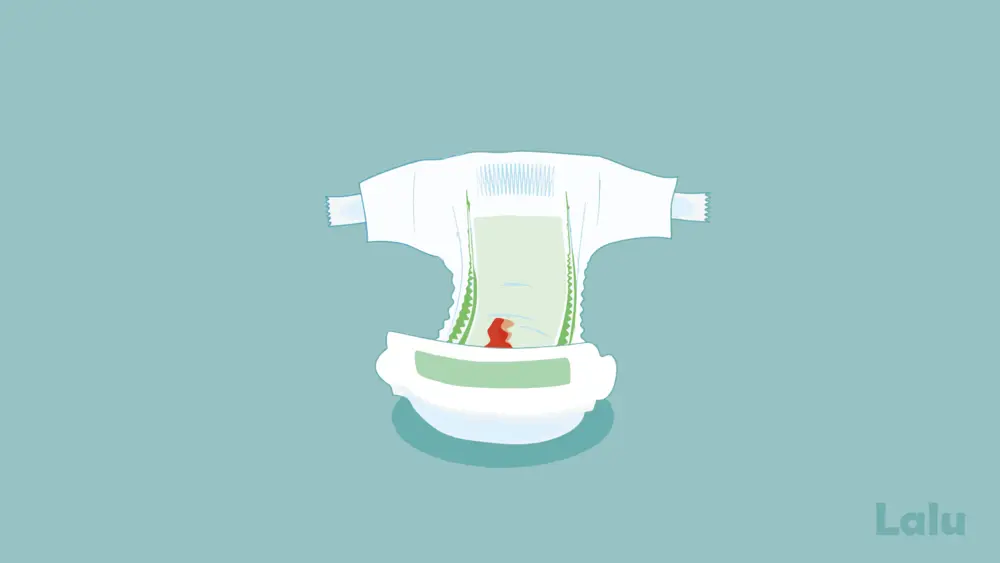
If you notice blood in your baby's stool, or a small amount of blood when they spit up or vomit, it is natural to wonder what the cause is and whether you should be concerned about it.
Many babies may have blood in their stool at least once during infancy. Constipation, small anal fissures, and some other problems can cause traces of blood to appear in a baby's stool.
If there is blood in the baby's stool… What should be done?
Monitor your child from the day you notice a change in their stool. Several factors can cause blood to appear in a child's stool; some are no cause for concern, while others require medical attention.
Before assuming that what you see is blood, think about what food your child has recently eaten. Because the digestive system of young children is not fully mature, the food they consume does not undergo significant changes during digestion as it does in adults.
Therefore, you can see any color of the rainbow in their stool, including a red color when they eat vegetables like beets and tomatoes.
For example, small droplets of blood in the stool may indicate fissures, while marbled blood throughout the stool may indicate other types of problems. If blood continues to appear in the baby's stool, consult a doctor and describe what you see in the baby's stool.
Causes of bloody stools
There are several reasons for the appearance of blood in an infant's stool. These are:
- Foods: Some foods, such as tomatoes, beets, or food dyes, can cause red streaks or lumps in a child's stool. Therefore, new mothers should pay attention to the foods the child has recently consumed.
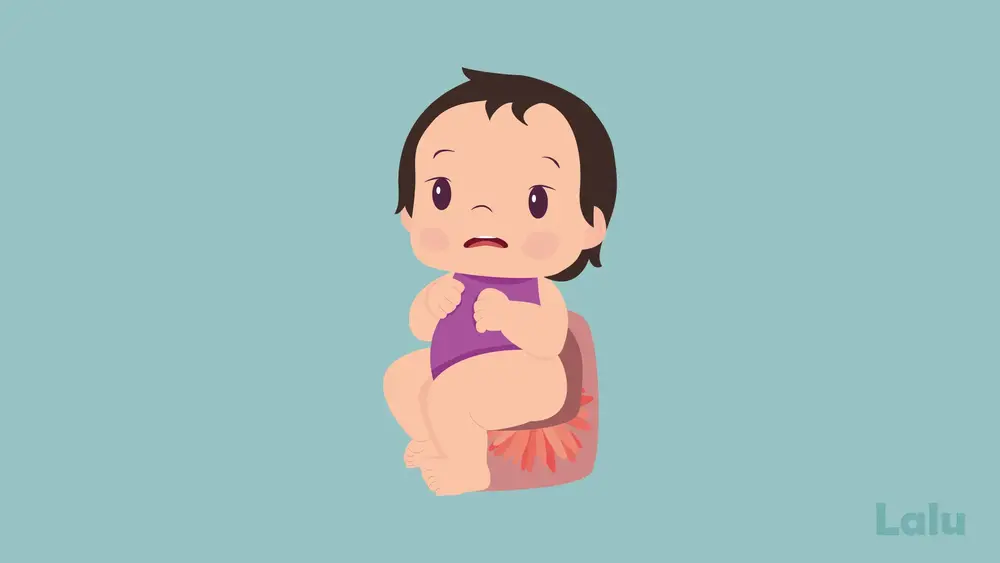
- Anal fissures: This is one of the most common causes of blood appearing in an infant's stool.
- Food allergies: A child may be allergic to the components of breast milk or the proteins in it, a condition called allergic colitis.
If an infant has a high sensitivity to their mother's milk, it can lead to inflammation of the colon and cause blood to appear in the baby's stool. - Intestinal disorders: Inflammation of the colon's mucous membrane and intussusception, which occurs when one segment of the intestine slides into another, cause blood to appear in the infant's stool.
- Diarrhea: Salmonella, E. coli, shigella, or other bacteria can cause inflammation of the intestinal lining, which causes small blood droplets to appear in the child's stool. At the same time, a child with diarrhea may also experience fever, fussiness, refusal to eat, and dangerous dehydration in infants.
- Mother's blood: If a nursing mother's nipples are cracked, painful, or bleeding, such a condition is not harmful to the infant's health. However, this situation must be resolved by consulting a doctor.
When should you consult a doctor if there is blood in a baby's stool?
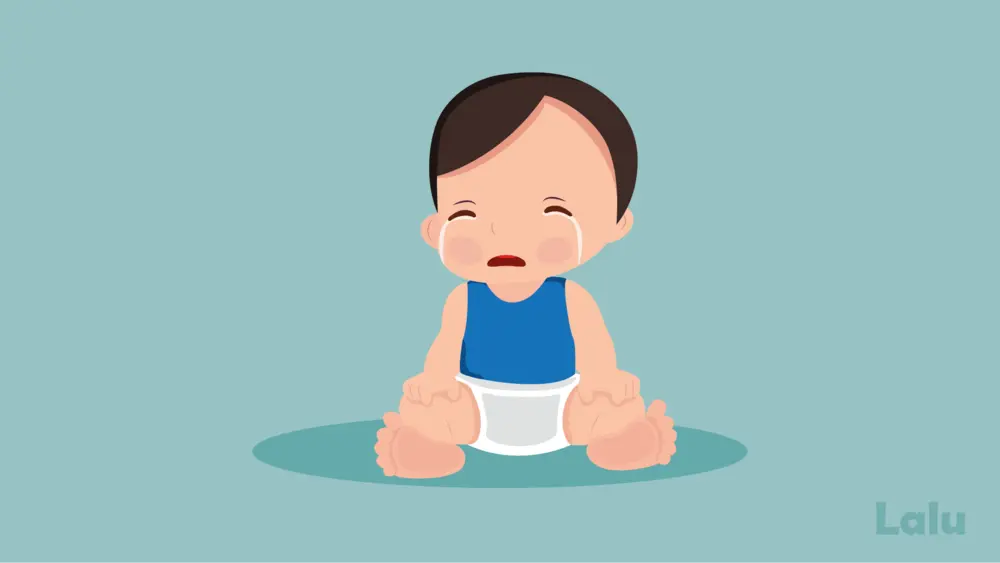
If your child has severe abdominal pain and is crying, consult your doctor immediately.
Also contact a doctor if the following occurs:
- There is a large amount of blood in the child's stool;
- The stool is black or tarry;
- There is an injury to the anus or rectum;
- You have seen blood in the stool more than twice;
- Your child has diarrhea along with blood;
- Your child is younger than 12 weeks.
Useful: When does a baby stand or walk?
Treatment
Most often, this problem in your child may be caused by very hard stool irritating the intestinal walls. If so, blood will appear in the stool as a spot or a streak. This condition usually heals quickly, and your doctor may recommend lubricating the baby's rectum with a glycerin suppository, giving them a warm saltwater bath, or applying steroid ointments.
If the blood in the stool is caused by the child's constipation, it is best to adjust their diet. If your baby does not have an anal fissure, your doctor can provide the necessary advice for your child's treatment once a diagnosis is made.