Swelling is normal during pregnancy because the body begins to produce about 50% more blood and fluids to meet the needs of the developing baby. Swelling usually appears in the hands, face, legs, and ankles.
Causes of swelling during pregnancy
Fluid retention serves to soften the woman's body, which in turn makes it easier for the developing baby to grow. Additionally, the extra fluid helps the pelvic joints and tissues open more smoothly during childbirth. The fluid accumulated during pregnancy accounts for approximately 25% of a woman's body weight.
Useful: Pregnancy calendar and calculator
When does swelling occur during pregnancy?
Swelling can occur at any time during pregnancy, but it is mainly noticeable in the fifth month.
The following factors can cause swelling:
- Hot weather in the summer;
- Standing for long periods;
- Constant physical activity throughout the day;
- Consuming foods low in potassium;
- Consuming products high in caffeine;
- Consuming products high in sodium.
Ways to treat swelling during pregnancy
Swelling can be reduced by consuming potassium-rich foods. For example, bananas are potassium-rich fruits, and it is also recommended to avoid consuming items containing caffeine.
Useful article: What is not allowed during pregnancy? The 11 most harmful foods
Tips for preventing swelling:
- Avoid standing for long periods. It is recommended to lie down with your legs elevated, frequently cross and switch your ankles, and gently bend your legs to allow your calf muscles to rest.
- Lying on your left side. This position reduces pressure on the large veins that carry blood from the lower body back to the heart. As a result, blood flow to the heart improves. Elevating your legs with a pillow underneath while lying down is also very effective.
- Wearing compression socks. Socks like these can also help keep the pressure in your legs even while you walk during the day.
- Being physically active every day. Walking, riding a stationary bike, and light swimming are also very beneficial.
- Walking in a pool or simply standing in the water can also reduce pressure on the leg muscles and relieve resulting pain.
- Wearing loose clothing. Tight clothing should be avoided as much as possible, as the more it clings to the body, the more it hinders blood circulation; wearing socks that constrict the ankles and calves is also strictly not recommended.
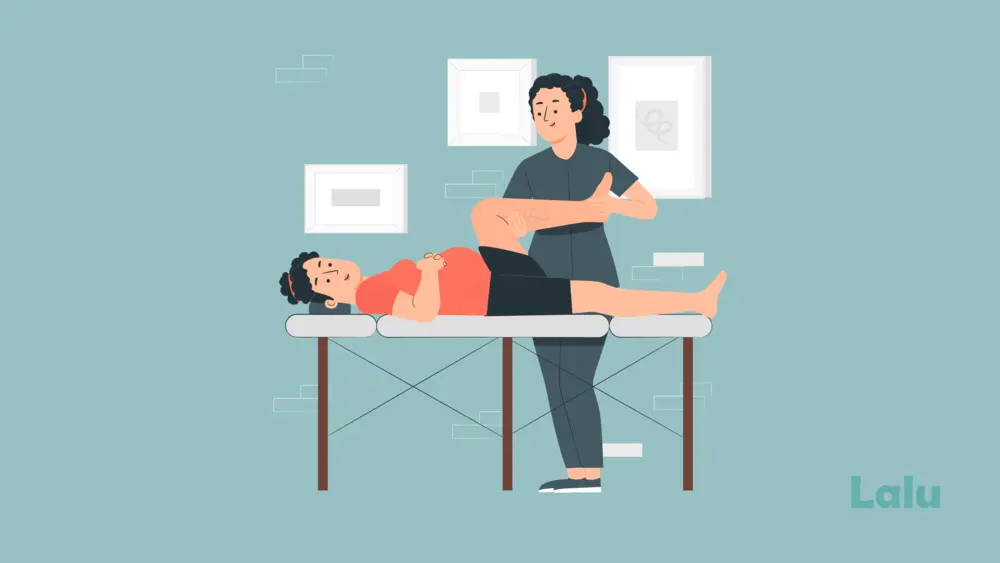
According to some studies, massaging certain areas of the feet, hands, and ears can also help reduce swelling during this period.
Trying to drink less fluid because of swelling is not advisable; on the contrary, drinking about 10 glasses (2.4 liters) of fluid a day is recommended during this period.
While swelling of the feet and ankles is normal during pregnancy, sudden swelling and pain in one leg can be a sign of deep vein thrombosis. This means a blood clot has formed in a leg vein; if shortness of breath or chest pain also appears, call an ambulance immediately. Also, sudden severe swelling of the face, hands or feet may be a sign of pre-eclampsia (a dangerous rise in blood pressure), especially when it comes with a severe headache, blurred vision or pain below the ribs. In such cases, seek medical attention immediately and receive treatment once a diagnosis is made.