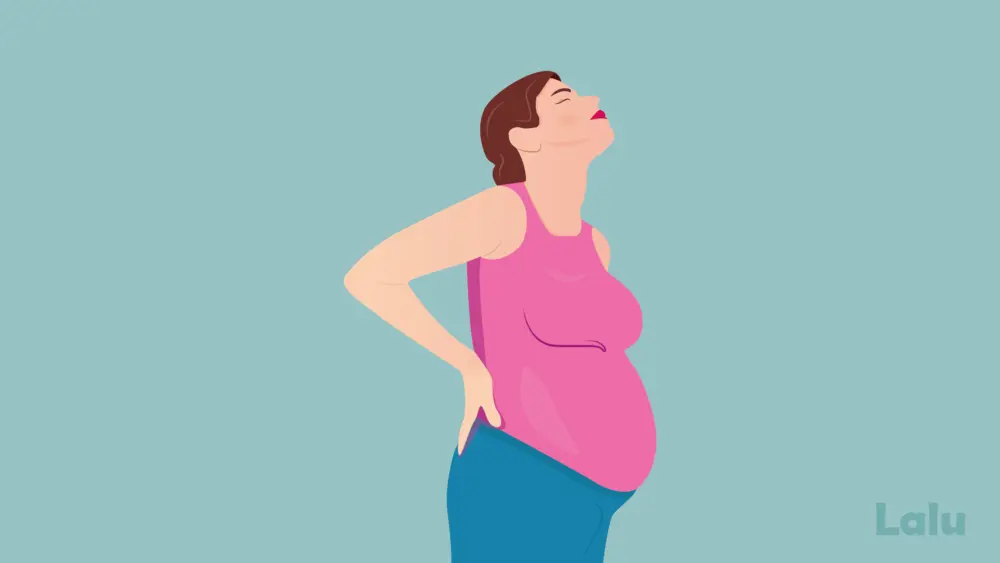
Is back pain bothering you again?! What causes back pain during pregnancy and how can you overcome it?! Through this article, we will answer these questions as much as possible.
If back pain is bothering you a lot during pregnancy, you are not alone. Back pain is considered one of the most common negative symptoms among pregnant women.
How does back pain manifest during pregnancy?
Back pain during pregnancy usually manifests as stiffness and pain in the upper or lower back and thighs, which can radiate into the legs or sacrum.
Unfortunately, back pain can begin in the early stages of the pregnancy calendar. Some women experience this in the first trimester, but for many women, back pain during pregnancy begins around 18 weeks, in the second trimester. The back pain may continue and sometimes worsen during the second trimester and especially the third trimester, or until you give birth. In some cases, back pain during pregnancy is replaced by postpartum back pain.
What causes back pain during pregnancy?
During pregnancy, a hormone called relaxin is released, which loosens the ligaments in the pelvis and other joints so that your baby can pass through the birth canal more easily during childbirth.
Added to this is the weight of your growing uterus, and your balance is thrown off as your body's center of gravity shifts forward.
In turn, to support this weight, your lower back curves more than usual, causing the muscles to strain and, as you might expect, resulting in feelings of pain and stiffness.
Read: Increased uterine tone during pregnancy
Is back pain during pregnancy similar to sciatica?
Yes, it is similar to sciatica. If you feel a sharp, shooting pain that starts in your back or sacrum and travels down your legs, you may be experiencing sciatica.
The good news about back pain during pregnancy is that it is usually easily resolved. In addition, there are many ways to alleviate it. So if one solution doesn't work, another can help.
Methods for treating back pain
To relieve back pain during pregnancy, try the following methods:
Pay attention to your sitting posture!
Slouching in a chair all day will put more strain on your spine than anything else. Make sure the chairs you use most at home and work are good. It is best to sit with your back and arms properly supported and a firm cushion behind you.
Use a footrest to elevate your legs slightly, and do not sit with your legs crossed. This causes your pelvis to tilt forward, which in turn strains your back muscles.
Take breaks!
If possible, walk at least once an hour, or get up and stretch. Sitting for a long time or staying in a certain position can make your back hurt even more.
Also, try not to stand for too long. If you work on your feet, try resting one foot on a low chair to relieve some pressure on your back.
Avoid lifting heavy loads!
If you must, do it slowly. Take a wide stance and stabilize yourself; bend at the knees, not the waist; and lift using the strength of your arms and legs, not your back. Better yet, ask someone for help!
Keep track of your weight!
Monitor your weight gain during pregnancy: excess weight and gaining weight too quickly can increase the strain on your spine.
Wear the right shoes!
Avoid very high heels. Wear flat shoes whenever possible. Experts recommend low-heeled footwear with good arch support to keep your body properly aligned. In addition, you can consider special shoe inserts designed for your muscles.
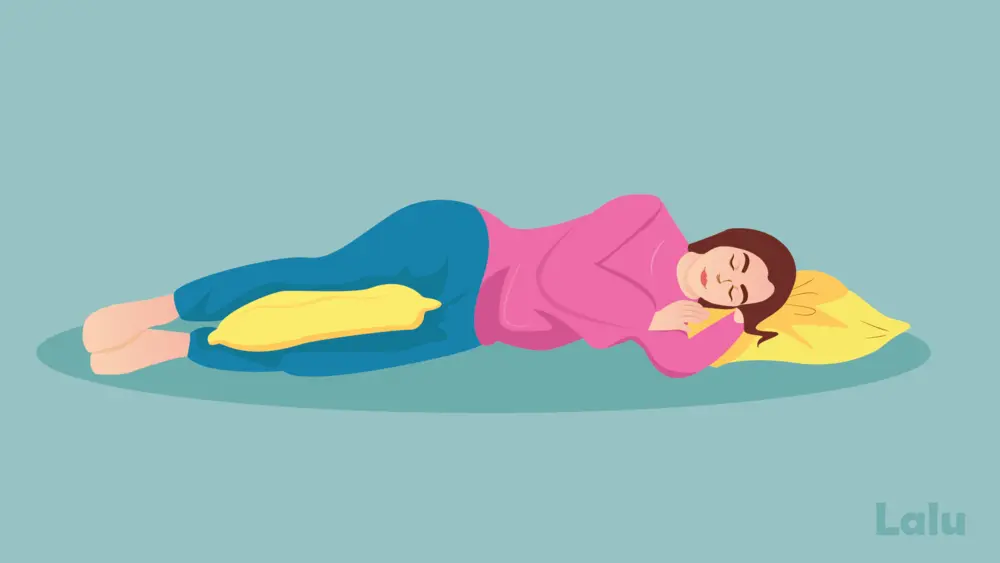
Use a firm mattress!
If you do not currently use a firm mattress, it is better to temporarily replace yours. This is because lying on a flat surface helps you minimize stress and improve your sleeping posture.