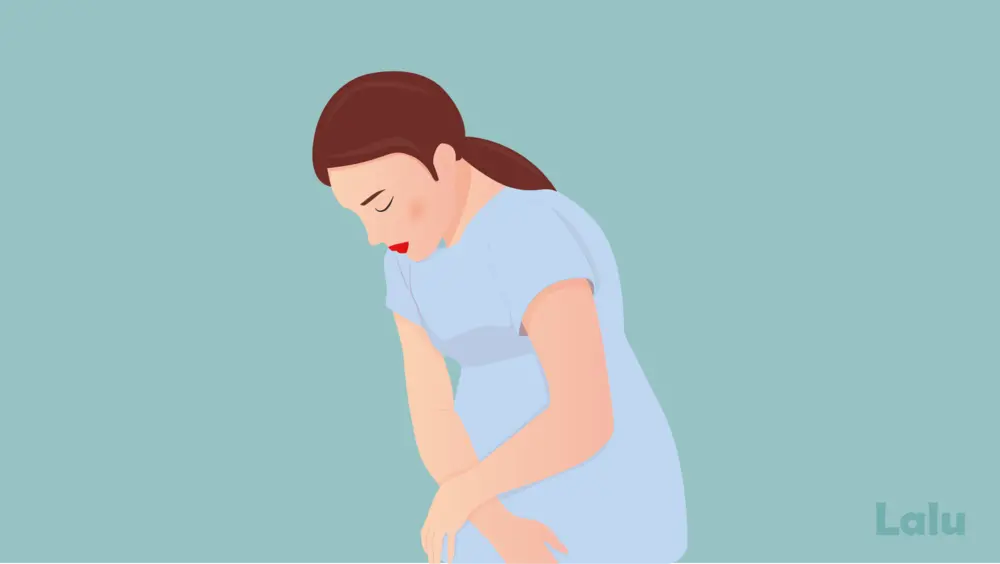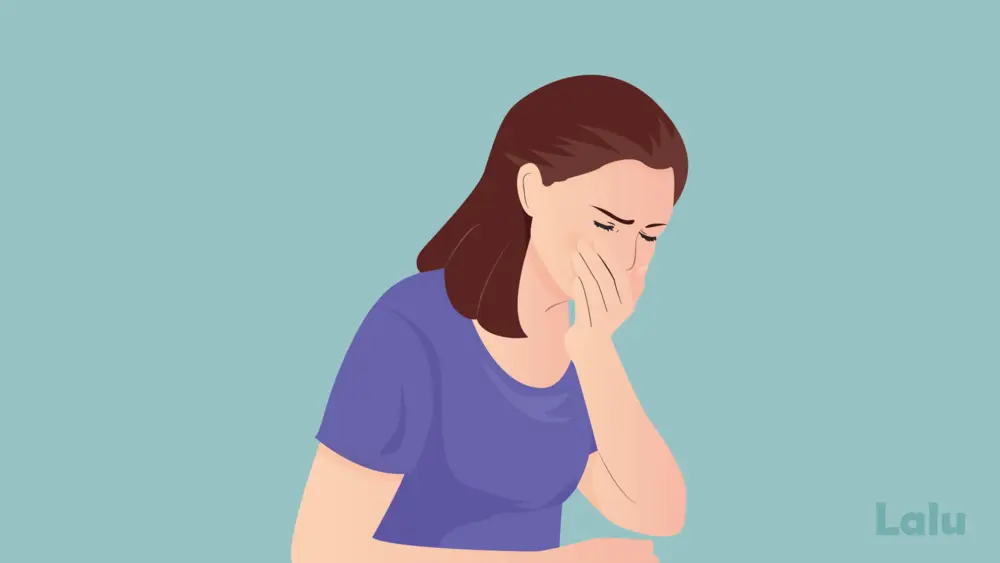
Morning sickness is a common symptom of pregnancy, characterized by nausea and occasional vomiting. Although it typically brings nausea in the morning, the same symptoms can cause a pregnant woman discomfort at any time of the day.
Morning sickness usually occurs during the first trimester of pregnancy and is considered one of the first signs of pregnancy. Approximately 70-80% of pregnant women experience discomfort such as nausea or vomiting during the first trimester.
When does morning sickness begin during pregnancy?
Nausea and vomiting during pregnancy usually begin before 9 weeks of gestation. For most women, they disappear by the 14th week of pregnancy. In some women, morning sickness lasts for several weeks or months. For others, it bothers them throughout the entire duration of pregnancy.
Nausea and vomiting during pregnancy usually do not harm the fetus, but they can negatively affect your life, including your ability to work or perform your usual daily activities. There are safe treatment options for morning sickness that help you feel better and prevent symptoms from worsening. In this article, we will focus on methods for treating or alleviating morning sickness during pregnancy at home.
Get more rest
Often during the first trimester, an expectant mother feels weak and sleepy, wants to rest, and sometimes simply lacks the strength to move. This is certainly not morning sickness, but if such feelings arise, you should give in to them to avoid accidentally provoking another bout of nausea. Get more rest and avoid sudden, sharp movements.
Sleep in a well-ventilated room: the air in the bedroom should be fresh and cool. Always go to bed on time, do not sit in front of the TV or computer late at night, and eliminate all sources of discomfort: an uncomfortable mattress, blanket, pillow, or a hard bed, because a lack of sleep can also lead to morning nausea.
Eat right to avoid bouts of morning sickness
Eat small portions 5-6 times a day, or even more frequently, and always in small amounts. This can help alleviate morning sickness.
When you wake up in the morning, do not get out of bed immediately. One of the most effective ways to combat morning sickness is having breakfast in bed. In the evening, place some yogurt or any food you enjoy eating in the morning next to your bed. In the morning, eat before getting up, and then lie down for a while. By doing this, you can ensure that morning sickness does not bother you at all or is very mild.
Generally, during morning sickness, it is not recommended to consume fatty, smoked, or salted foods, or drink carbonated water (the usual list of unhealthy foods). However, you might actually crave some less healthy foods during pregnancy, while some healthy foods might, conversely, cause nausea. "Pregnancy whims" — the desire to eat fish, or cake with cucumbers at night — are your body's way of requesting a specific food component. Missing the "Lalu" app as soon as you exit it is also one of these "pregnancy whims." 😊
For example, the urge to chew chalk is a sign of a calcium deficiency.
If you do not want to eat or drink a certain food, do not consume it, even if it is highly beneficial and necessary.
Drink fluids frequently
Morning sickness may not be limited to nausea; sometimes vomiting can also occur. This means that the body loses fluids. Therefore, drink water frequently between meals: a sip or two of non-carbonated mineral water or lemon tea will help overcome nausea and replenish lost fluids. However, you should drink liquids in small sips. Additionally, you should avoid soups for a while, as drinking large amounts of fluids and consuming liquid foods can, conversely, cause nausea and vomiting.
Breathe fresh air
Walking in the fresh air is beneficial for everyone, but it is doubly beneficial for pregnant women struggling with morning sickness. Firstly, during a walk, the blood of the expectant mother and the baby is saturated with oxygen, which is very important for their health; secondly, walking calms the nervous system.
Together, these factors help reduce the unpleasant symptoms of morning sickness. You should walk for at least two hours a day, and walking is highly effective not just along the street, but in places with fresh air: in a forest, a park, open areas, and most importantly, outside the city. Before going out, think about your route: avoid exhaust-polluted highways, street cafes, grocery stores, and other "strong-smelling" places as much as possible.
Avoid strong scents
During the first trimester, a pregnant woman's reaction to taste and smell changes. Now even your favorite perfume can cause nausea, headaches, and allergic reactions. Therefore, temporarily give up all scented cosmetics that bother you: perfumes, deodorants, creams, etc. You can also ask your spouse not to use the colognes that bother you; of course, this is not a whim, but a temporary measure, and soon everything will return to normal.
Don't worry about what you'll do without beauty products. Both cosmetic stores and pharmacies are full of various creams and shampoos that are unscented or have a minimal scent.
Work on yourself
According to psychologists, the cause of morning sickness lies not only in hormonal changes but also in a woman's psychological state. The more anxiety and fear a woman experiences, the more pronounced and severe morning sickness can be. Ideally, it is best to protect yourself from any stress during pregnancy.
Of course, it is not always possible to avoid nervousness or anxiety, but every woman has the ability to watch less television, avoid reading negative news and "horror stories" about pregnancy on the Internet, and steer clear of daily household problems.
Therefore, if morning sickness is bothering you, create a comfortable world for yourself during pregnancy. "Lalu" can help you create such a comfortable world.
If you are unable to cope on your own, consult a psychologist. Morning sickness really does respond well to psychotherapy. The main thing is for the expectant mother to want to get rid of her worries, including morning sickness.