Every woman who cares about her reproductive health should be informed about ovulation and its specific characteristics. In this article, we will provide detailed information about the signs of ovulation.
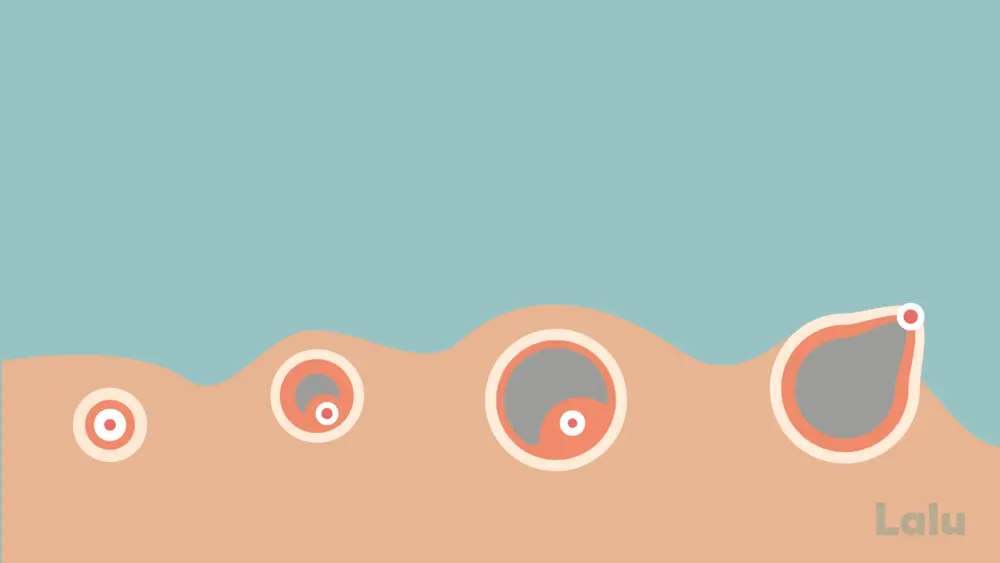
OVULATION is the release of a mature egg, capable of fertilization, from the ovarian follicle into the abdominal cavity. Generally, it is considered a stage of the menstrual cycle, namely the ovarian cycle. In women of childbearing age, ovulation normally occurs every 21–35 days.
The frequency of ovulation is regulated by neurohumoral mechanisms, primarily the gonadotropic hormones of the pituitary gland and the follicular hormone of the ovary.
The ovulation phase is a sign that the body's reproductive health is functioning normally. The absence of this phase indicates that there is an underlying issue in the body. As noted above, a woman who cares about her health should monitor her ovulation.
The ovulation rhythm, which is regular for every woman, changes within 3 months after an abortion, within a year after childbirth, and after the age of 40 when the body prepares for menopause, accompanied by absent or delayed menstruation.
Ovulation stops after the onset of pregnancy and the complete cessation of menstrual function. Knowing the time of ovulation is important for planning pregnancy, artificial insemination, and choosing the most effective time for IVF.
Signs of ovulation
Subjective signs of ovulation can include short-term pain in the lower abdomen.
Objective signs of ovulation include increased vaginal mucus discharge, a drop in rectal (basal) temperature on the day of ovulation followed by a rise the next day, an increase in blood plasma progesterone, and others.
According to some sources, an enhanced sense of smell and taste, as well as increased breast tenderness, are also considered signs of ovulation.
Because these symptoms are similar to those of pregnancy, they can also cause confusion in women with irregular menstrual cycles.
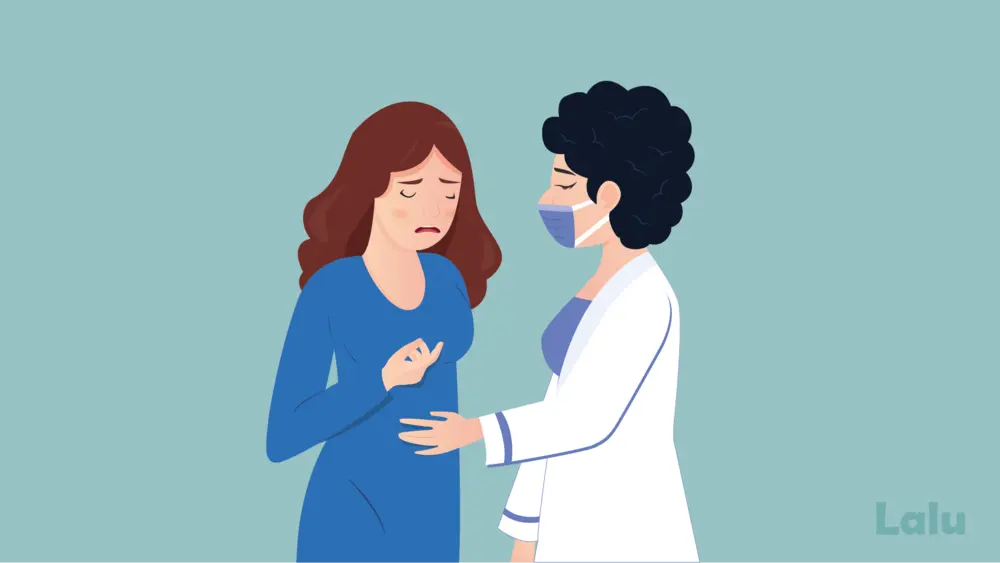
It should be remembered that if the pain in the lower abdomen is severe and sharp, it may be a sign of a serious condition. In this case, it is necessary to seek emergency medical assistance.
These symptoms may not always indicate ovulation, so it is advisable to additionally use other methods of detecting ovulation to obtain accurate information.
Below, we provide more detailed information about the symptoms listed above.
Ovulation and pain
During the days of ovulation, pain can occur in the lower abdomen, which is not related to menstrual bleeding.
The pain may be in the lower central part of the abdomen or on the right or left, depending on which ovary the dominant follicle matures in. The pain is often of a pulling nature. It may be accompanied by slight bloating or a feeling of fullness in the lower abdomen.
Although the pain is mild at first, it may increase slightly in the following days. These pains are associated with an increase in the levels of biologically active substances—prostaglandins—in the female body before ovulation. Prostaglandins break down the follicle wall and ovarian tissue, allowing the egg cell to enter the fallopian tube. The "side effect" of prostaglandins in this process is pain.
It is also important to know whether the pain is related to ovulation. This is because pain caused by other pathological reasons may require emergency medical care.
- The pain lasts for 1–3 days and resolves on its own.
- The pain repeats over several cycles.
- The next menstruation occurs approximately 14 days after such pain.
During ovulation, the pain is of moderate intensity and does not require the use of painkillers. Severe pain, however, indicates a health problem.
If the pain is severe on the days of expected ovulation, you should contact a gynecologist. Pain in the lower abdomen accompanied by an increase in body temperature, increased discharge from the genital tract, changes in the color of the discharge from clear or white to yellow or green, or bloody discharge may indicate a pathological condition of the genital organs. In such cases, it is absolutely necessary to consult a gynecologist.
Mucous discharge
The glands in the cervix produce mucus. Usually, it is thick and acts as a true plug that blocks the cervical canal, preventing infections from entering the uterus. In such thick mucus, sperm cells quickly lose their motility. As a result, it is difficult for them to ascend into the uterine cavity. However, the primary (dominant) follicle growing in the ovary produces the hormone estradiol.
The higher the estradiol level, the more abundant and thinner the cervical fluid becomes. Just before ovulation, it becomes stretchy like egg white. In some women, this mucous, transparent discharge is very noticeable in the middle of the cycle. In some, it is secreted a few days before ovulation, while in others, only on the day of ovulation. This is an individual characteristic.
Rectal temperature
Basal body temperature is the body's temperature at rest, and a slight increase is observed during ovulation. A woman's rectal body temperature also varies depending on a number of factors, including hormone levels.
After ovulation, the level of the hormone progesterone in the blood increases. Normally, the basal temperature does not exceed 37.0 °C for an average of 2 weeks after the onset of menstruation (the 1st phase of the menstrual cycle). Before the start of the 2nd phase of the menstrual cycle, the temperature drops slightly and suddenly rises by 0.4-0.5 °C. It is exactly this rise that indicates ovulation has occurred.
The temperature remains elevated until the start of the next menstruation, and as it decreases, a new menstrual cycle begins.