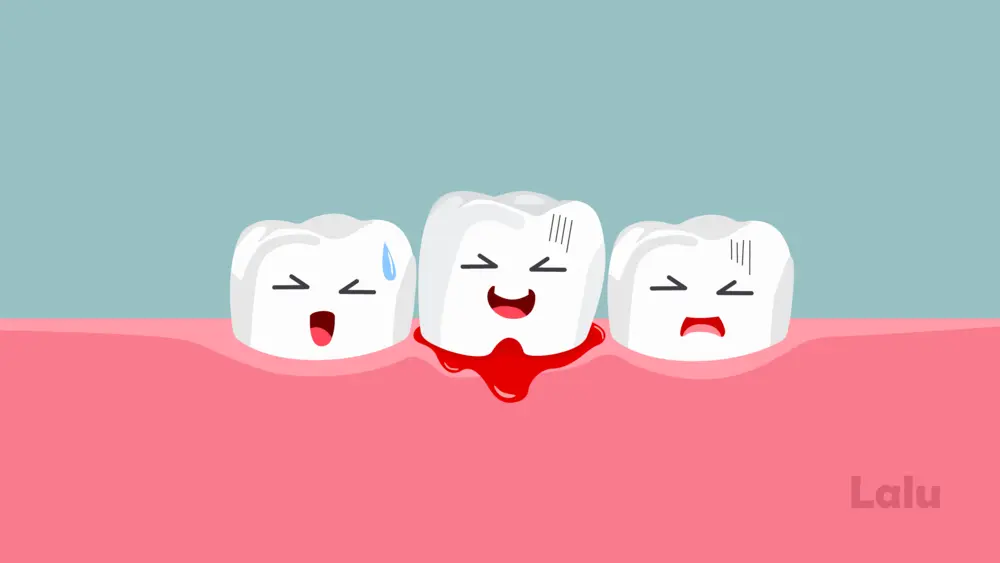
When pregnant women visit a dentist for bleeding gums, they may be diagnosed with pregnancy gingivitis (inflammation of the gums).
Approximately 60-75 percent of pregnant women have swollen, red gums. Because the gums are delicate and sensitive, they bleed when teeth are brushed with a regular toothbrush. This condition is known as pregnancy gingivitis, which is a mild form of gum inflammation.
Pregnancy gingivitis is caused by hormonal changes that increase the sensitivity of the gums to bacteria in dental plaque. Generally, during pregnancy, women have extremely high levels of progesterone and estrogen, and as a result, blood flow in the mucous membranes increases, which heightens sensitivity in the gums.
Causes of pregnancy gingivitis
- Hormonal changes;
- Changes in diet;
- Reduced saliva production;
- Changes in saliva;
- The effects of toothpaste;
- Vomiting and fatigue.
How does pregnancy gingivitis affect the developing fetus?
Pregnancy gingivitis will not harm you or your baby if you maintain proper dental hygiene. There are beliefs that gum disease can lead to premature labor, but it may only be dangerous for women with a more severe form of this disease.
Research shows that severe gum disease can lead to consequences such as premature birth, low birth weight, and even preeclampsia (high blood pressure). Other studies, however, deny the link between gum disease and such serious complications.
When does gum bleeding begin during pregnancy?
In the second trimester of pregnancy, although the gums become much softer and more sensitive due to various hormonal changes, bleeding gums are usually observed in the third trimester, when estrogen and progesterone levels reach their peak. Sensitive gums in the first trimester can be an early sign of pregnancy.
Dental care during pregnancy
Start caring for your teeth by keeping your mouth clean:
- Carefully brush and rinse at least twice a day (preferably after every meal) using a soft toothbrush and fluoride toothpaste. Also, use special anti-gingivitis toothpastes that prevent various symptoms;
- Clean your teeth with dental floss every day;
- Use an alcohol-free fluoride mouthwash;
- If possible, limit your sugar intake, as it can increase the likelihood of plaque formation on your teeth and the amount of bacteria in your mouth.
Consult a dentist regularly to prevent any disease. In addition to regular check-ups, call the dentist immediately in the following cases:
- Toothache;
- Frequent bleeding of the gums;
- Other signs of gum disease, such as swollen or tender gums, receding gums, persistent bad breath, or loosening of the teeth;
- The appearance of various sores in the mouth;
- Numbness in the mouth.
How can pregnancy gingivitis be treated?
Dentists recommend a range of treatments for pregnancy gingivitis, including antibiotics and mouthwashes for gum disease. In severe cases, surgery may also be performed.
These antibiotics and mouthwashes are generally safe for pregnant women, but no studies have been conducted on their impact on the growing baby's health. When prescribing such products, dentists must take into account your pregnancy, the time remaining until delivery, and any existing allergies, and ensure that the treatment is completely safe.