Eczema (also called atopic dermatitis) is a dry, itchy skin rash that can occur anywhere on the body; however, it usually appears on the skin of the face, arms, and legs. Eczema can affect anyone, including infants.
Causes of eczema in children
Certain factors cause people to develop a predisposition to eczema rashes, including:
- If there is a family history of eczema;
- If there is a family history of heat rash, allergies, or asthma;
- Living regularly in a cold and damp climate;
- The presence of irritants in the environment (e.g., smoke, laundry detergents, fragrances, and toxic substances).
Helpful: How to soothe a crying baby during sleep?
What does baby eczema look like?
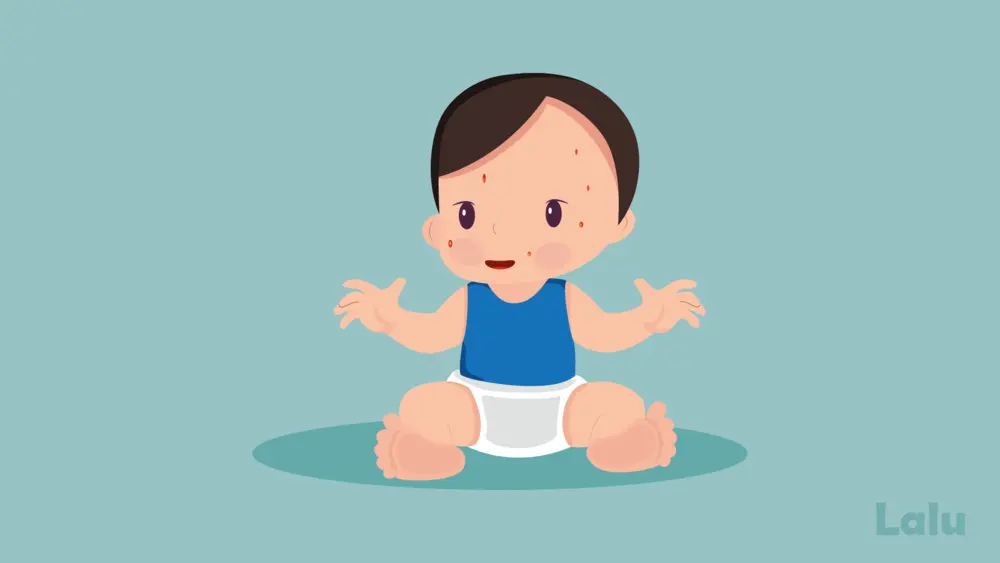
Eczema most commonly appears on the scalp and face in babies under 6 months of age. The rash is usually red, in the form of blisters, followed by fluid oozing from these blisters and the formation of a crust over them.
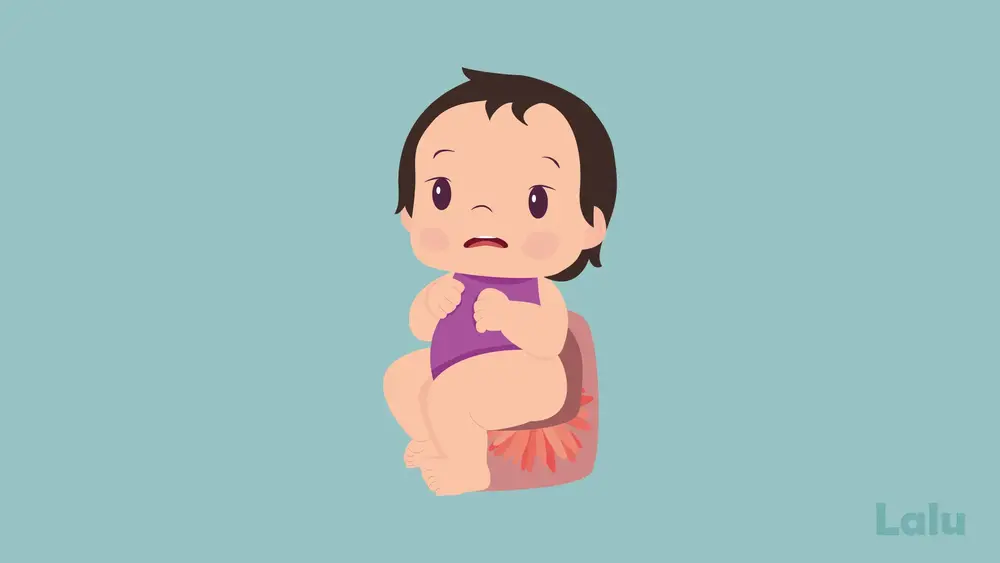
In growing babies, eczema may appear on the knees and elbows. The itching of eczema causes discomfort in the baby. The baby cannot say what is happening, but you can see from their behavior that the eczema is causing them discomfort.
Signs of an eczema rash include:
- Sleep problems;
- Skin infections (infections resulting from scratching or rubbing the rash);
- Restlessness.
Interesting: The benefits and harms of prolonged breastfeeding
Eczema treatment methods
Eczema cannot be cured directly, but there are several treatment methods available to manage itching, skin dryness, and irritation, and to prevent infection.
These treatment methods include the following:
- Keep your child's skin well-moisturized: bathe your child in warm water, pat the skin dry, and then immediately apply moisturizing creams;
- Avoid common irritants: use unscented soap and detergents when washing your baby's clothes. Your child's clothing should be made of soft cotton fabrics;
- Avoid common allergens: frequently clean your home, especially your child's room, to remove dust and pet dander;
- Prevent scratching: if the baby tries to scratch their skin, trim their nails and cover their hands with socks or mittens. In addition, you can apply wet cloth wraps to the skin. If the itching is severe, your pediatrician may recommend antihistamines;
- Skin treatments: your pediatrician may recommend applying steroidal and non-steroidal topical agents to your child's skin;
- Prevent infection: the most effective way to manage eczema at home is a bleach bath. Although they are not a treatment used to ease or prevent sudden flare-ups of the disease, they can be part of an eczema treatment regimen.
Important: Child development stages: Hearing and sound production
When to see a doctor?
An eczema rash, especially if it is scratched, can become infected. A doctor will recommend the use of antibiotics and other medications to treat infections. If you notice an infection on your child's skin, contact your pediatrician.
Prevention of eczema in infants
It is impossible to prevent the onset of eczema itself, but it is possible to identify its triggers and prevent flare-ups. Some ways to reduce trigger factors include:
- Keep your child away from dry and cold weather conditions;
- If your child is 6 months old or older, have them vaccinated against the flu once a year in consultation with an infectious disease specialist;
- Avoid common irritants in your home that cause itching, and read the labels on all products;
- To prevent detergent residue from remaining on clothes, wash them twice;
- Consult an allergist and have your child tested to determine which substances they are allergic to;
- Regularly monitor your child to identify the factors that exacerbate baby eczema;
- Keep your little one's skin moisturized.