Snoring during pregnancy mainly occurs in the 2nd trimester, at approximately 16 weeks according to the pregnancy calendar, as pregnancy hormones begin to cause nasal congestion.
What causes snoring during pregnancy?
In women, the nasal mucous membranes swell due to an increase in pregnancy hormones, specifically elevated estrogen and progesterone levels. When you rest, you snore because of the swelling in the nasal mucous membranes. The likelihood of snoring also depends on excess weight during pregnancy. Excess weight during pregnancy leads to the development of extra tissue around the head and neck, which in turn can exacerbate snoring.
Is snoring during pregnancy a sign of preeclampsia?
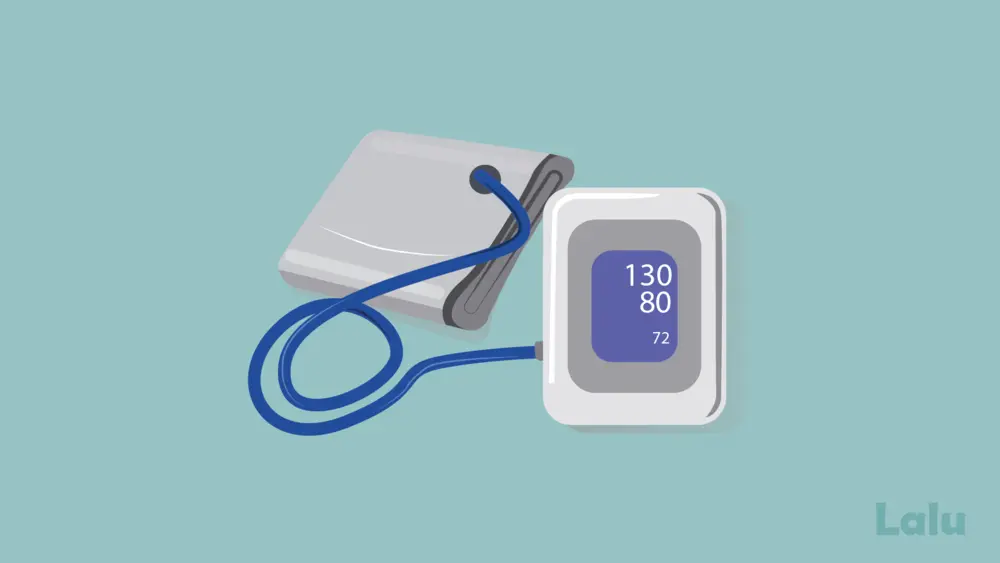
In most cases, snoring is considered just another negative symptom of pregnancy. Another important factor is that snoring can stem from obstructive sleep apnea (which occurs when the muscles in the back of the throat relax too much to allow normal breathing). This condition is the result of chronic swelling in the airways. Research indicates that sleep apnea is associated with high blood pressure and preeclampsia (a sudden onset of high blood pressure during pregnancy). Preeclampsia must be managed to prevent it from progressing to eclampsia or causing other complications.
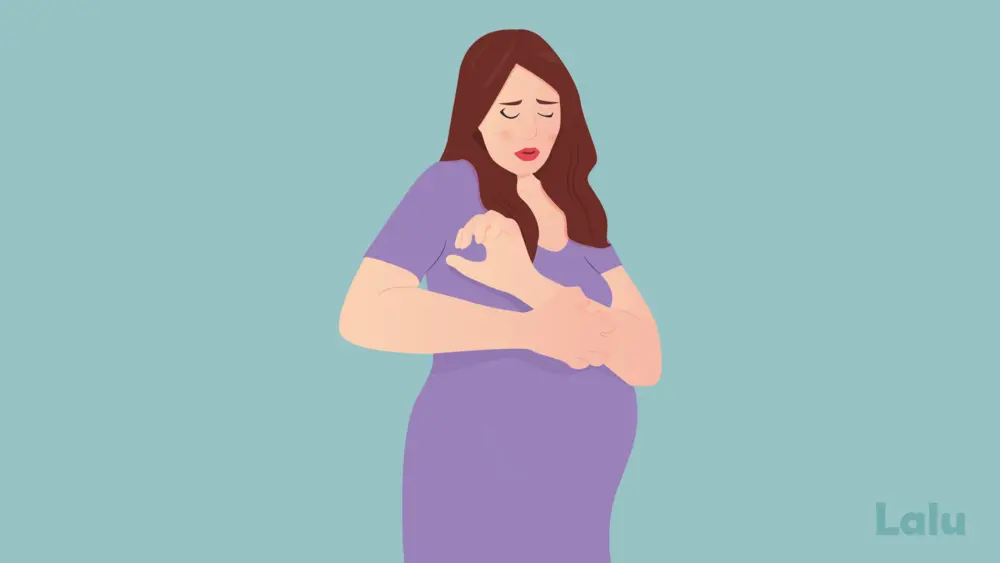
Symptoms of preeclampsia include unusual swelling of the ankles, hands, and face, vision changes, blurred vision, and excessive weight gain unrelated to food intake. During pregnancy, sleep apnea deprives the expectant mother and baby of oxygen, resulting in an increased risk of health problems such as heart disease and pulmonary embolism for the unborn baby. Symptoms of sleep apnea can include waking up with a morning headache, frequent fatigue, irritability, or memory problems (fatigue and insomnia can also be normal symptoms of pregnancy, especially in the first and third trimesters).
Useful: High blood pressure during pregnancy — types and prevention
If you experience the following symptoms and snore more than usual, be sure to consult your doctor. If you suffer from sleep apnea, your doctor will create a plan to ensure healthy and safe weight loss for you. It is important to remember that excess weight leads to sleep apnea.
How can snoring be prevented during pregnancy?
You can follow certain recommendations to reduce or completely stop snoring:
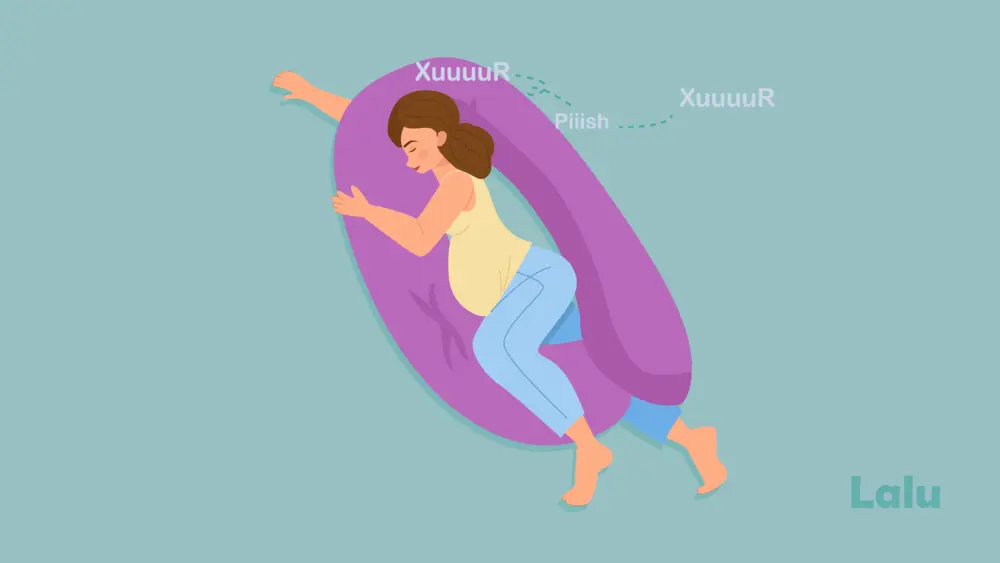
- Sleep on your side; sleeping on your back can make snoring worse;
- Rest in a more upright position; elevating your head slightly with pillows will help keep your airway clear;
- Use a humidifier; adding moisture to the air, whether warm or cool, can prevent snoring while you rest;
- Avoid various types of smoke; even secondhand smoke can irritate your airways and cause snoring.
How can you sleep better during pregnancy?
Sleep hygiene is very important during pregnancy. You may feel that you are not resting well due to various aches, discomfort, and a tendency toward insomnia.
Useful: Insomnia during pregnancy — causes and ways to overcome it
Here are some tips for better sleep during pregnancy:
- To get your body into a rhythm, try to go to bed at the same time every day. This habit also helps you wake up at the same time in the morning.
- Establish a relaxing routine before going to bed. For example, taking a warm bath, reading a book, or listening to music.
- Create a good environment for sleep by keeping your room dark, cool, and relatively quiet.
- Stay physically active by doing pregnancy exercises for up to 150 minutes a week.
- Avoid eating and any stimulating activities before going to bed.
- Save your bed and bedroom for sleep. Performing other tasks in bed, such as scrolling through a smartphone, can make it difficult for the brain to relax before sleep.
In general, it is advisable to sleep between 8 and 10 hours every night during pregnancy*. If you wake up frequently at night, you may need even more sleep.