There are many reasons to think about the physical changes that occur during pregnancy. While every pregnancy is different, there are a few common occurrences, including anemia, which affects many pregnant women.
This condition, known as anemia during pregnancy, is caused by a lack of red blood cells that deliver oxygen to your body's tissues. Mild anemia can make you feel fatigued, but if it becomes too severe or is left untreated, it can pose serious risks.
In fact, anemia during pregnancy increases the risk of complications such as premature birth, low birth weight, and even maternal mortality.
Learning more about the types of anemia, its common symptoms, and treatment options will help you spot the early warning signs, allowing you to consult a doctor in time to prevent complications.
Don't worry. Just be sure to inform your healthcare providers—your doctors—about all your symptoms, and they will guide you through this process. Let's learn more about anemia during pregnancy in this article.
What is the cause of anemia during pregnancy?
Although mild anemia during pregnancy is common for many people, it can become a serious problem, requiring more serious medical treatment if neglected.
If your body doesn't have enough red blood cells to carry oxygen, it affects your organs and bodily functions.
There are more than 400 types of anemia. Furthermore, there are various causes, but it most often involves the production of red blood cells and overall health.
Physiological anemia is also a normal process associated with pregnancy.
As the total blood volume increases during pregnancy, the amount of fluid (or plasma) increases more than the volume of red blood cells. As a result, there is a lower percentage of erythrocytes in the total blood volume—this change is reflected in blood tests.
Iron deficiency anemia
A lack of iron reserves before and during pregnancy leading to iron deficiency is the most common cause of anemia.
In this type of anemia, low iron reserves lead to a decrease in hemoglobin production.
During pregnancy, your body works harder to provide proper nutrition for your growing baby, causing your blood volume to increase by approximately 45 percent. As a result, you may develop physiological anemia.
Your body provides the baby with the iron it needs to produce its own hemoglobin.
The increased blood volume and the baby's hemoglobin production allow for the transport of more essential oxygen and nutrients, but they also increase the daily requirement for essential minerals such as iron.
Folate deficiency anemia
Folate deficiency anemia is another common type of anemia that occurs during pregnancy.
Folic acid is a water-soluble vitamin that helps prevent neural tube defects or brain-related issues during pregnancy.
Women require high levels of folic acid during their reproductive years and pregnancy, so it is recommended to take a folic acid supplement even before planning a pregnancy.
Anemia in pregnancy due to vitamin B12 deficiency
Your body also uses vitamin B12 to produce red blood cells.
Vitamin B12 is primarily found in animal products such as meat, eggs, fish, and poultry.
Therefore, women who do not regularly consume these foods, including vegetarians and vegans, may be at a higher risk of vitamin B12 deficiency.
Some people develop a deficiency due to problems processing B12 in their bodies.
Folate deficiency and vitamin B12 deficiency often occur at the same time. If you suspect you may have a deficiency, a healthcare professional should conduct laboratory tests to determine what type of anemia you have.
What are the symptoms of anemia during pregnancy?
In mild cases of anemia, there may be no symptoms at all, but moderate and severe cases present with the following symptoms:
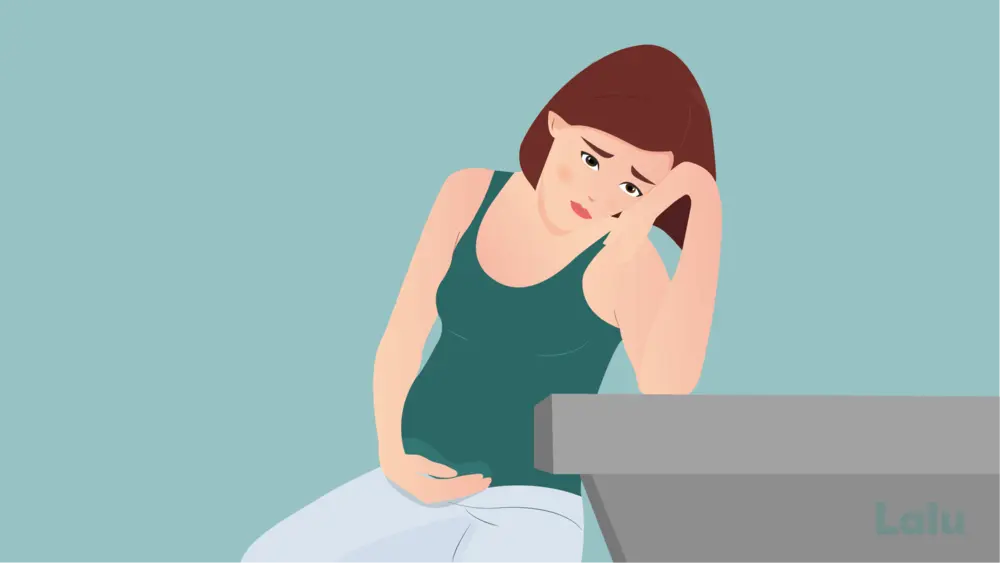
- excessive fatigue or weakness;
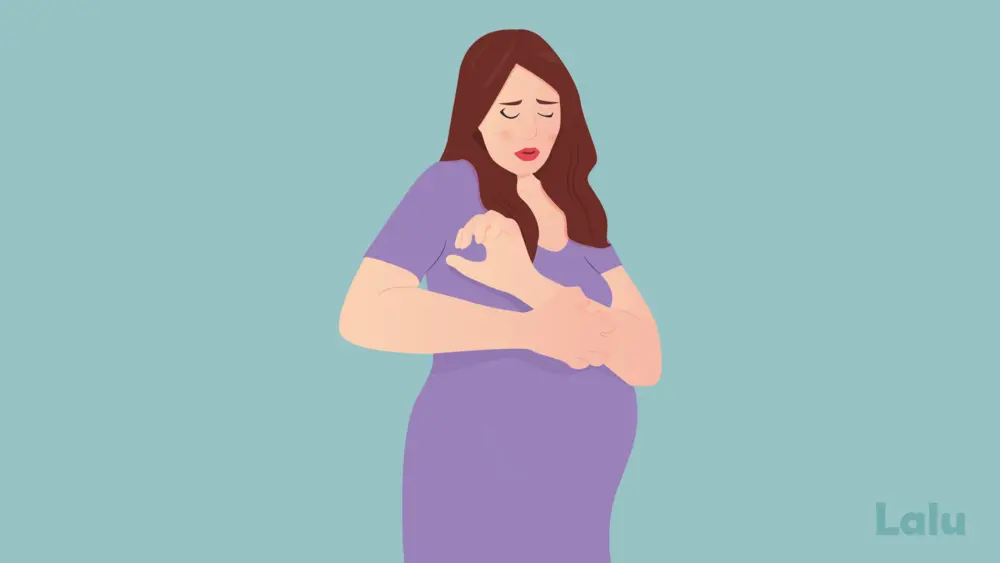
- pale skin (pallor);
- shortness of breath, chest pain;
- dizziness;
- cold hands or feet;
- cravings for non-food items such as clay, dirt, or cornstarch.
If you have anemia during pregnancy, you may experience some or all of these symptoms.
During pregnancy, a complete blood count and several tests are performed to determine the presence or absence of pathological conditions such as anemia.
You can expect to be tested at the beginning of pregnancy and typically again as your due date approaches.
A complete blood count is the most common tool used to detect anemia; it is a group of tests that measure the size and number of blood cells in a sample.
If you have been diagnosed with anemia, your doctor may also use other blood tests to assess the exact cause or identify nutritional deficiencies.
Also, if you notice the above-mentioned symptoms of anemia during pregnancy and are concerned, consult your doctor immediately.
Methods for the treatment and prevention of common anemias during pregnancy
In many cases, anemia during pregnancy can be prevented, especially with a good, vitamin-rich diet.
There are a few ways to ensure you are getting the necessary vitamins and minerals to keep your red blood cell count in the right range during pregnancy.
Prenatal (before birth) vitamins
Prenatal vitamins usually contain most of the micronutrients you need during pregnancy, including iron and folic acid.
Taking a prenatal vitamin once a day is an easy way to help supply your body with the vitamins and minerals necessary for producing enough red blood cells. It is best to start taking a prenatal vitamin 2-3 months before trying to get pregnant.
Iron supplements
If you have low iron levels, your doctor may recommend separate iron supplements in addition to your daily prenatal vitamin.
Pregnant women typically need 27 milligrams of iron per day {Source}.
However, the dosage may vary depending on the type of iron or iron supplement taken, so it is best to talk to your doctor about how much to take.
In addition, you should avoid taking calcium supplements at the same time as iron supplements, as calcium can interfere with your body's ability to absorb iron.
Antacids can also interfere with iron absorption. It is best to take iron 2 hours before or 4 hours after taking antacids. Taking an iron supplement with vitamin C helps your body absorb more iron. To make this easier, some medications contain both.
The right foods
Most people can get the required amount of iron and folic acid during pregnancy through a proper diet. These important minerals are abundant in:
- poultry and poultry products;
- fish;
- lean red meat;
- legumes;
- nuts and seeds;
- dark leafy greens;
- grain products;
- eggs;
- bananas and melons.
Useful: What should be avoided during pregnancy? The 11 most harmful foods
The iron in animal products is easily absorbed. If the iron you consume comes from plant sources, eat it together with foods rich in vitamin C to help it be absorbed more easily, such as tomato juice or orange juice.
Sometimes, taking iron supplements alone may not be enough to increase iron levels. In such cases, your doctor will discuss other treatment options with you.