After childbirth, your body undergoes many changes, and it takes time to recover. It is normal to experience some discomfort, such as pain and extreme fatigue, during the first week after delivery. However, some women experience serious, life-threatening health complications after childbirth. If you are concerned about how you are feeling, or if you have any pain or discomfort, please contact your doctor.
All women need postpartum care. Postpartum care is medical care for women who have just given birth. Attend all postpartum check-ups even if you feel well. These are medical check-ups that will help ensure you are recovering well from childbirth.
Postpartum care is crucial because new mothers face serious, and sometimes life-threatening, risks during the days and weeks following childbirth.
Postpartum warning signs
In general, signs of serious health problems include chest pain, difficulty breathing, heavy bleeding, and severe pain.
Call your doctor if you have any of the following signs or symptoms.
Signs of infection:
- Fever above 38.0°C, a fever occurs when your body tries to kill the viruses or bacteria causing the infection;
- worsening discharge, pain, or redness around a cesarean section, episiotomy, or perineal tears;
- Cesarean section is an operation where your doctor delivers your baby by making an incision in the abdomen and uterus.
- Episiotomy — an incision made at the opening of the vagina to help deliver the baby during childbirth;
- A perineal tear is a tear between the vagina and the rectum during childbirth.
- Burning or pain during urination, pain in the lower back or side, or an urge to urinate frequently.
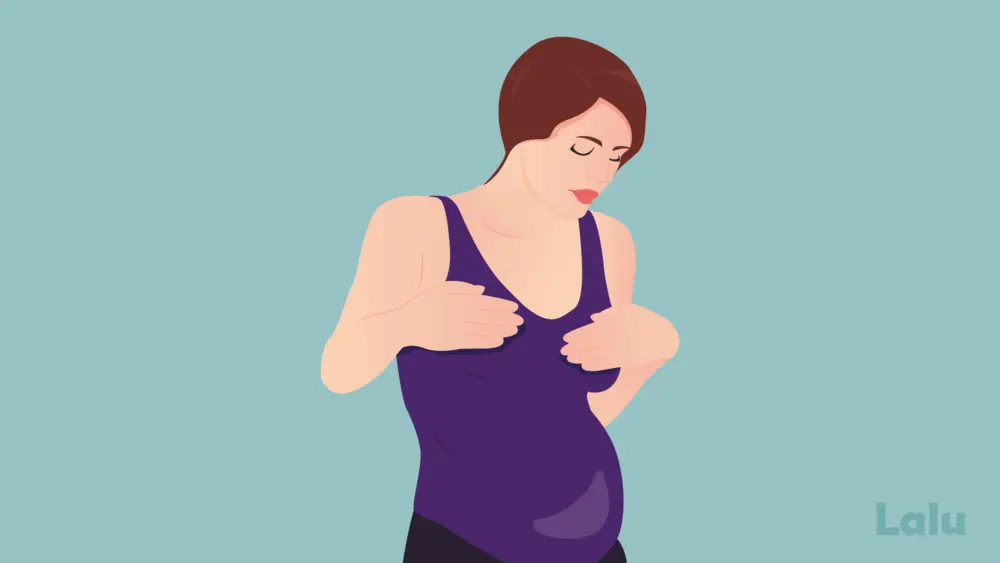
- Red streaks or newly formed lumps on the breast. You may have a breast infection called mastitis.
- Severe pain in the lower abdomen. You may have endometritis, an inflammation of the uterine lining.
- Bad-smelling discharge. You may also have an infection called endometritis or bacterial vaginosis. Bacterial vaginosis occurs when there is an overgrowth of certain bacteria in the vagina.
If you have the following signs or symptoms after childbirth, call 103 and request an ambulance:
- chills;
- excessive sweating;
- rapid breathing;
- rapid heartbeat;
- confusion;
- fever;
- severe pain and discomfort.
Signs of other health problems:
- Bleeding that is heavier than a normal period, or bleeding that gets worse over time. You may have a postpartum hemorrhage (also known as PPH). This condition is severe bleeding in a woman after giving birth. This is a serious but rare condition that can occur up to 12 weeks after childbirth.
- If you experience pain, swelling, redness, or coldness in the legs, especially in your calves. You may have deep vein thrombosis (DVT).
- Changes in vision, dizziness, severe headache, pain in the upper right abdomen or shoulder, difficulty breathing, rapid weight gain, or swelling of the legs, arms, or face. You may have postpartum preeclampsia. This is a serious condition that occurs when a woman has high blood pressure and some of her organs, such as the kidneys and liver, do not function normally after childbirth.
- Chest pain, coughing. You may have a pulmonary embolism.
- Feelings of hopelessness or sadness for more than 10 days after delivery. You may have postpartum depression. This depression occurs in women after childbirth.
- Stomach pain or vomiting.