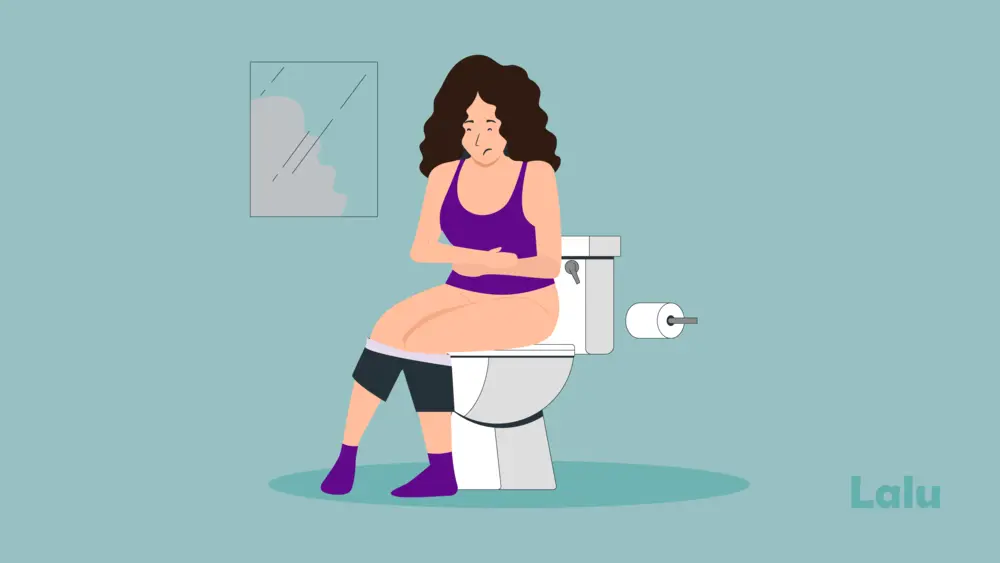
Some women experience constipation in the early stages of pregnancy, while others may not experience it at all.
In this article, we discuss the causes of constipation during pregnancy and safe home remedies that can be used to alleviate such discomfort in women.
Causes
The cause of constipation depends on the stage of pregnancy in which it occurs. Possible causes include the following:
Hormones: Changes in hormone levels during early pregnancy cause a slowdown in intestinal movement and the passage of stool.
This increases water absorption in the large intestine, which causes the stool to become hard.
Pregnancy vitamins: Prenatal vitamins, especially anti-anemia drugs, are rich in iron, which is sometimes considered the primary vitamin deficiency during pregnancy. Iron causes stools to become dark and difficult to pass, leading to constipation during pregnancy.
Uterine pressure: In the later stages of pregnancy, as the uterus increases in size, it puts pressure on the intestines, making it difficult for stool to move through them.
Additionally, apart from irregular bowel movements, constipation can sometimes be accompanied by bloating, stomach discomfort, and the formation of hard, dry, and painful stools.
As a result, there is also a feeling of incomplete bowel emptying. Constipation causes a lot of discomfort, especially during pregnancy.
Home treatment for constipation during pregnancy
There are safe home remedies to relieve constipation, which frequently occurs in women during pregnancy. These include:
Fiber: Taking fiber supplements or consuming more high-fiber foods, such as fruits, vegetables, and whole grains, increases stool bulk and makes it easier for it to pass through the intestines. Adults should consume between 28 and 34 grams of fiber daily.
Fluids: Drinking adequate amounts of water is essential for keeping the stool soft and easy to pass. If you feel that water alone is not helping, you can add soups, teas, and naturally sweet fruit or vegetable juices to your diet.
Helpful: Beneficial vegetables for pregnant women
Physical activity: Being active promotes the movement of stool in the intestines, and regular exercise with a doctor's approval helps relieve constipation. If you don't have the opportunity to exercise, try walking every day.
Probiotics: Millions of healthy bacteria live in the gut and help it function properly. Probiotics help repopulate the gut bacteria with healthy strains and play a role in promoting normal and regular bowel movements.
Other treatments
If the above home remedies do not work, other options can be discussed with a doctor.*
Taking prenatal vitamins can increase iron levels in women, so doctors recommend vitamins with a lower iron content.
The primary medical treatment for constipation during pregnancy is laxatives, which make going to the toilet much easier and more comfortable for the patient.
The use of laxatives is generally safe, but it is best to avoid stimulant and strong laxatives, as they can induce uterine contractions.
Although many laxatives are available over the counter, it is essential to consult a doctor to determine which ones are safe to use.
Here is a brief overview of some medications that can be used during pregnancy.
A woman can use the following safe laxatives during pregnancy:
Bulk-forming agents
They help add fiber to the stool and absorb large amounts of water. By doing so, they make the stool softer and easier to pass.
These types of laxatives can cause cramps and discomfort, so pregnant women should consult a doctor, start taking them in small doses, and drink plenty of water.
For example, bulk-forming laxatives include psyllium, methylcellulose, and polycarbophil.
Stool softeners
Stool softeners help keep enough water in the stool, making it soft and easier to pass.
Stool softeners are usually prescribed to pregnant women based on a doctor's recommendation.
Lubricant laxatives
Lubricant laxatives add a smooth coating to the surface of the stool or help the stool remaining in the intestinal tract pass out of the body.
Glycerin suppositories are a type of lubricant laxative. Before using these suppositories, especially during pregnancy, one should always consult a healthcare professional.
Osmotic laxatives
These laxatives help to increase the amount of water in the intestines and keep the stool soft. They also facilitate the movement of stool through the intestines.
These types of laxatives can also cause abdominal bloating and cramps.
Complications of constipation during pregnancy
In most cases, constipation during pregnancy is short-lived and resolves without treatment or with minimal intervention. In rare cases, prolonged constipation can lead to severe complications; before such situations occur, it is necessary to consult a doctor and take the necessary treatment measures.
Continuous use of laxative medications can cause the intestines to "forget" how to pass stool independently.
These medications can also cause fluid and electrolyte imbalances in some people.
Such problems usually affect people with other health issues, such as diabetes or kidney disease.
It is essential to consult a doctor regarding the types of laxatives and how often they should be taken.