Dehydration in infants is a condition where the body lacks sufficient fluid to carry out normal vital functions.
A child's body is approximately 75% water, and water is a component of every cell. Water plays an important role in regulating body temperature, maintaining the integrity of organs and tissues, transporting nutrients to cells, and supporting other vital functions.
Your child loses a certain amount of water each day through urination, bowel movements, sweating, crying, and even breathing. The water in a child's body is replenished every time they eat or drink fluids.
A number of factors can disrupt the balance between water loss and replenishment in the body. For example, if your baby vomits or has diarrhea, they will lose fluid relatively quickly, which can lead to dehydration in the child.
Symptoms of dehydration in infants
The most common signs of dehydration in babies are:
- Very concentrated urine that looks very dark yellow or orange;
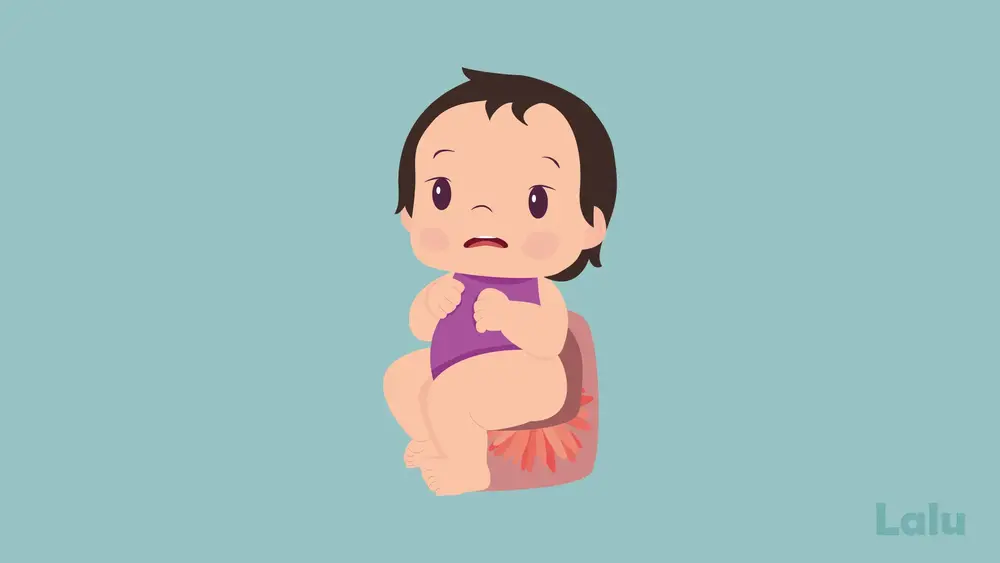
- Constipation;
- Dry lips;
- Dry mouth;
- Dry mucous membranes;
- Excessive drowsiness;
- Irritability;
- Fewer than six wet diapers in 24 hours;
- Loss of interest in taking a bottle or nursing;
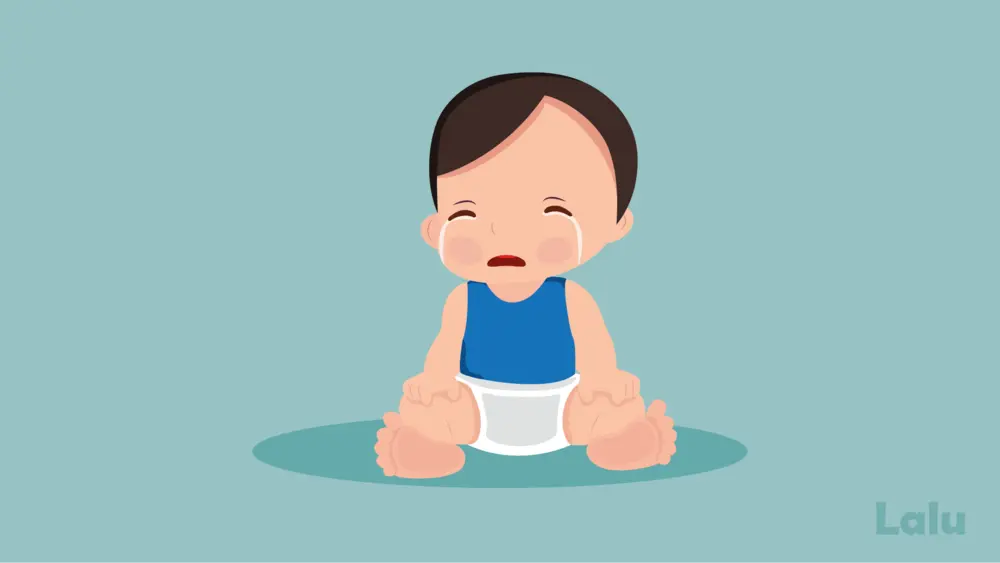
- No tears when crying;
- Pallor;
- A sunken membrane-covered space on the baby's head (soft spot);
- Wrinkled skin.
Dehydration in babies can happen very quickly. Be especially watchful for these signs if your baby is sick, overheated, or has feeding problems. And contact a pediatrician immediately.
Causes of dehydration in babies
A number of factors can lead to dehydration. Although dehydration can affect people of any age, it is more common in young children than in adults.
Causes of dehydration in infants and newborns include:
- Breastfeeding-related problems: if breastfed infants cannot suckle properly, do not breastfeed frequently or for long enough periods, or if there are issues with breast milk supply, or if the mother cannot breastfeed properly due to a lack of knowledge about breastfeeding, the baby's body can become dehydrated;
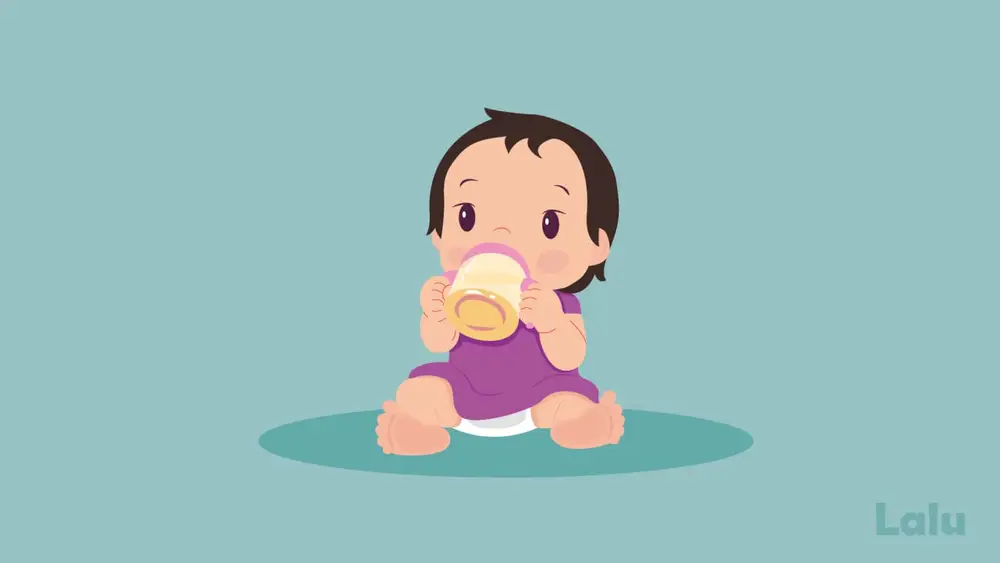
- Problems related to bottle feeding;
- Diarrhea;
- Fever: An increase in your child's body temperature can lead to more fluid loss;
- Spending too much time outdoors in high temperatures, excessive humidity, or the hot sun can lead to sweating and fluid evaporation through the baby's skin;
- Refusal to eat — nasal congestion, ear or throat pain can interfere with sucking and swallowing;
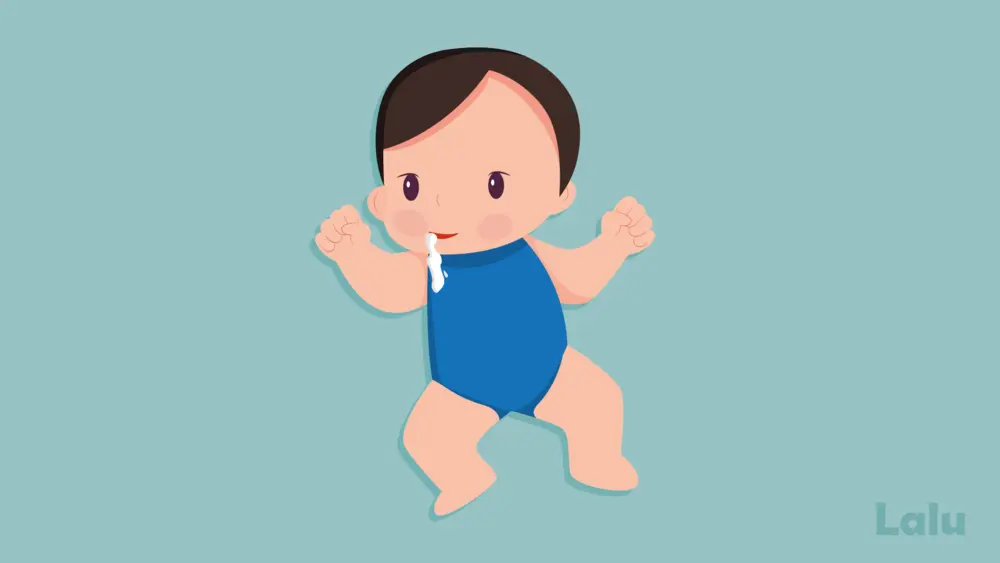
- Vomiting.
Treatment
Treatment for infant dehydration depends on the cause and severity of the condition, and especially the child's age.
Severe dehydration can lead to very dangerous, even life-threatening situations. Therefore, if symptoms are noticeable, consult your doctor. If you are concerned about your child's current condition, do not hesitate to seek emergency assistance.
For reference, the American Academy of Pediatrics emphasizes that infants should only be given water starting from 6 months of age, and their daily intake should be limited to 0.5-1 cup (118-236 ml).
Seek immediate medical attention if your child:
- Seems to be having a seizure;
- Has a sunken soft spot (fontanelle) on their head;
- Has continuous diarrhea for more than eight hours;
- Cannot properly suckle the breast or a bottle;
- Is younger than 3 months and has a fever;
- Vomits after two consecutive feedings;
- Has other signs of prolonged or severe dehydration.
Prevention
The best way to prevent dehydration is not only to recognize the signs and understand the causes, but also to know how to prevent it.
- Pay close attention to the newborn;
- Acquire the knowledge and skills for proper infant care;
- Monitor wet diapers and weight gain;
- Avoid excessively hot environments;
- Avoid giving large amounts of water;
- Prevent the spread of germs.